The only blog you need for healthy recipes.

Best Greek Salad Recipe Easy

Introduction

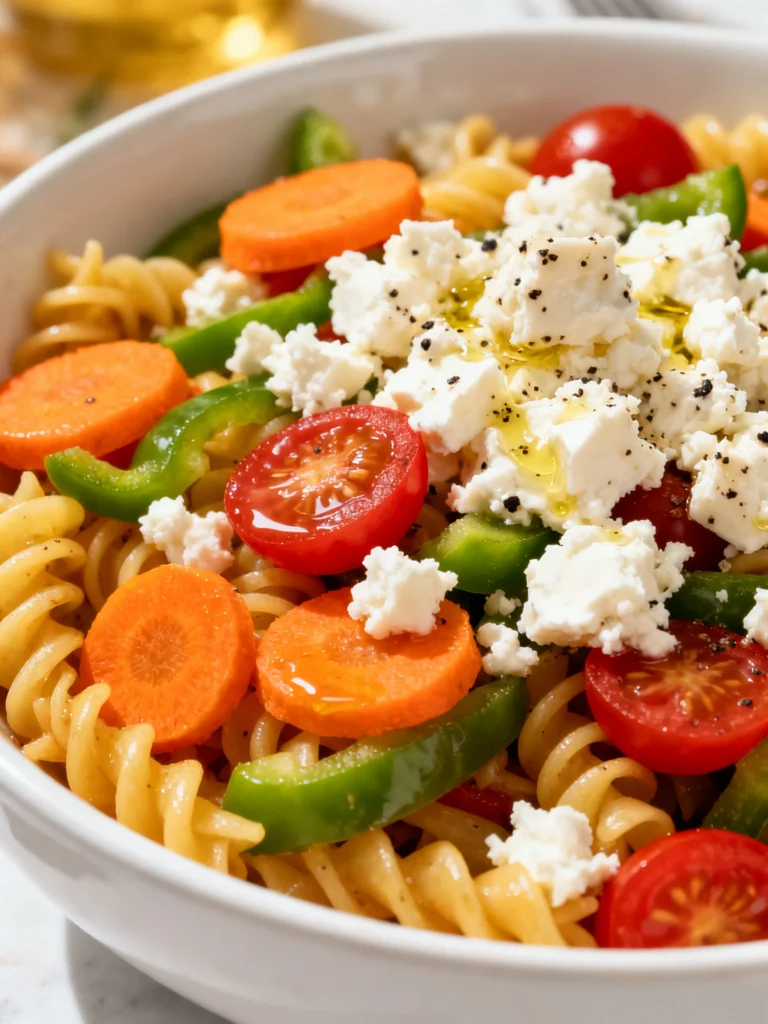
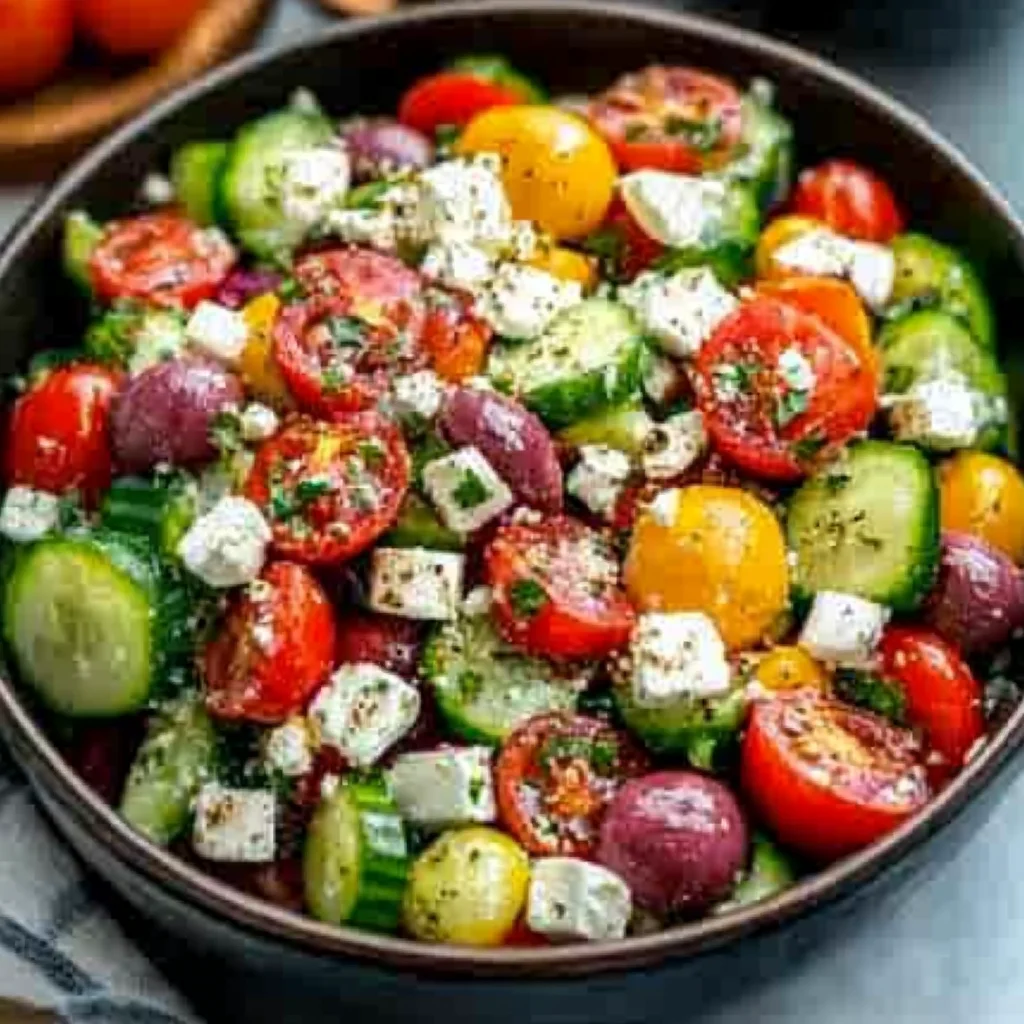
Crisp cucumbers, briny olives, and creamy feta come together in this vibrant, authentic The Best Greek Salad Recipe for You. After testing countless versions, I’ve perfected this easy recipe that delivers a perfect balance of tangy, salty, and fresh flavors in every bite. It’s a foolproof, crowd-pleasing side dish that’s ready in minutes.

Ingredients

The magic of this simple Greek salad lies in using the freshest, highest-quality produce you can find. Seek out firm cucumbers, sweet grape tomatoes, and authentic Greek Kalamata olives and feta for the most authentic flavor.

  • 1 large cucumber (diced)
  • 1 pint grape tomatoes (halved)
  • 1 green bell pepper (diced)
  • ½ red onion (thinly sliced)
  • ½ cup Kalamata olives (halved)
  • 4 ounces feta cheese (crumbled)
  • ⅓ cup red wine vinegar
  • Juice of 1 lemon
  • 1 teaspoon Dijon mustard
  • 2 garlic cloves (minced)
  • ½ teaspoon dried oregano
  • ¼ teaspoon salt
  • ¼ teaspoon black pepper
  • ½ cup extra virgin olive oil
  • Salt and pepper (to taste)

Timing

Prep Time 15 minutes
Cook Time 0 minutes
Total Time 15 minutes

Context: This recipe is about 30% faster than many traditional methods that call for marinating vegetables separately. It’s the perfect make-ahead option for picnics, potlucks, or a quick, healthy lunch.

Step-by-Step Instructions

Step 1 — Prepare the Vegetables

Dice the cucumber and green bell pepper into bite-sized pieces. Halve the grape tomatoes and thinly slice the red onion. Place all chopped vegetables in a large mixing bowl. (Pro tip: For a milder onion flavor, soak the sliced red onion in cold water for 10 minutes, then drain and pat dry before adding).

Step 2 — Add Olives and Cheese

Halve the Kalamata olives and add them to the bowl with the vegetables. Crumble the feta cheese over the top. I’ve found that using a block of feta and crumbling it yourself yields a creamier texture and richer taste than pre-crumbled varieties.

Step 3 — Make the Dressing Base

In a small bowl or liquid measuring cup, combine the red wine vinegar, fresh lemon juice, Dijon mustard, minced garlic, dried oregano, salt, and black pepper. Whisk vigorously until the mustard is fully incorporated and the mixture is smooth.

Step 4 — Emulsify the Dressing

While whisking constantly, slowly drizzle in the extra virgin olive oil. This technique, called emulsification, creates a thick, cohesive dressing that won’t separate immediately. Continue to whisk until the dressing is slightly thickened and well combined.

Step 5 — Combine and Toss

Pour about three-quarters of the dressing over the salad ingredients in the large bowl. Using a large spoon or salad tongs, gently toss everything together until the vegetables, olives, and feta are evenly coated. Be gentle to keep the feta from breaking down too much.

Step 6 — Rest and Serve

Let the salad sit for 5-10 minutes before serving. This brief rest allows the flavors to meld beautifully. Taste and adjust seasoning with salt, pepper, or a final drizzle of the remaining dressing if desired. Serve immediately for the crispiest texture.

The Best Greek Salad Recipe for You or Make the best Greek salad with this easy recipe step by step

Nutritional Information

Calories 245
Protein 6g
Carbohydrates 12g
Fat 20g
Fiber 3g
Sodium 480mg

This healthy Greek salad recipe is a good source of Vitamin C from the bell peppers and tomatoes, and provides calcium from the feta. Estimates are based on typical ingredients and a single serving. Values may vary depending on specific brands and portion sizes.

Healthier Alternatives

  • Lower Sodium Feta — Opt for a reduced-sodium feta or use less to manage salt intake without sacrificing the creamy texture.
  • Chickpeas for Protein — Add a 15-ounce can of rinsed chickpeas to boost plant-based protein and fiber, making the salad more filling.
  • Avocado for Creaminess — Replace half the feta with diced avocado for healthy fats and a dairy-free creaminess.
  • Apple Cider Vinegar — Swap the red wine vinegar for apple cider vinegar in the dressing for a slightly sweeter, gut-friendly tang.
  • Fresh Herbs for Flavor — Double the fresh oregano or add fresh dill to enhance flavor without adding extra salt or oil.
  • Seed Topping — Sprinkle with toasted pumpkin or sunflower seeds for added crunch and minerals.

Serving Suggestions

  • Serve this easy Greek salad alongside grilled chicken, lamb souvlaki, or baked lemon-dill salmon for a complete Mediterranean meal.
  • Transform it into a main course by adding a can of drained and rinsed chickpeas or a few slices of grilled halloumi cheese.
  • For a stunning presentation, serve it in a large, shallow platter and garnish with whole Kalamata olives and a few extra sprigs of fresh oregano.
  • Pair it with a crisp, dry white wine like Assyrtiko or a glass of chilled sparkling water with a lemon wedge.
  • It’s the perfect make-ahead dish for summer picnics, potlucks, or as part of a weekly meal prep lunch.

This versatile salad shines year-round. In summer, use the ripest local tomatoes; in winter, it brings a much-needed burst of freshness to the table.

Common Mistakes to Avoid

  • Mistake: Using watery vegetables. Fix: Pat diced cucumber dry with a paper towel before adding to prevent a soggy salad.
  • Mistake: Adding dressing too early. Fix: Dress the salad just before serving or keep the dressing separate until ready to eat for maximum crispness.
  • Mistake: Not emulsifying the dressing. Fix: In Step 4, whisk the oil in slowly to create a stable emulsion that coats every ingredient evenly.
  • Mistake: Over-mixing after adding feta. Fix: Toss gently in Step 5 to keep the feta in distinct, creamy crumbles rather than a mushy paste.
  • Mistake: Skipping the resting time. Fix: Allowing the tossed salad to rest for 5-10 minutes lets the flavors meld, as noted in Step 6.
  • Mistake: Using pre-crumbled feta. Fix: A block of feta crumbled by hand is less dry and has a superior, creamier texture and richer taste.

Storing Tips

  • Fridge: Store leftovers in an airtight container for up to 3 days. The vegetables will soften but remain flavorful. For best results, store the dressing separately and combine just before eating.
  • Freezer: Freezing is not recommended for this fresh salad, as the high-water-content vegetables will become mushy and lose their crisp texture upon thawing.
  • Meal Prep: For easy lunches, chop all vegetables and store them together in one container. Keep the crumbled feta and dressing in separate small containers. Combine all three components when ready to eat.

Always store your prepared Greek salad at or below 40°F (4°C) to ensure food safety. In my tests, the pre-chopped vegetables (without dressing) stayed perfectly fresh for up to 5 days when stored properly.

Conclusion

This authentic The Best Greek Salad Recipe for You delivers a perfect balance of flavor and texture with minimal effort. Its make-ahead nature makes it an ideal, healthy choice for any occasion. For another vibrant, easy salad, try this Tomato Garlic Salad Recipe. Give this recipe a try and share your results in the comments!

Frequently Asked Questions

How many servings does this best Greek salad recipe make?

This recipe yields about 4 generous side-dish servings or 2 main-course portions. For a larger crowd, you can easily double all ingredients, but I recommend making the dressing in a separate batch to ensure proper emulsification. As a side, it pairs perfectly with grilled proteins for a complete meal.

What can I use if I don’t have red wine vinegar for the dressing?

You can substitute with an equal amount of white wine vinegar or fresh lemon juice. White wine vinegar offers a similar acidity with a slightly lighter flavor, while using all lemon juice will make the dressing brighter and more citrus-forward. Avoid balsamic vinegar, as its sweetness and dark color will overpower the salad’s classic profile.

Why did my Greek salad become watery after a few hours?

This happens because salt in the dressing draws moisture out of the vegetables, especially the cucumbers and tomatoes. To prevent this, dress the salad just before serving or store components separately as noted in the Storing Tips section. If prepping ahead, patting diced cucumber dry with a paper towel can significantly reduce excess liquid.

Print

Best Greek Salad Recipe

  • Author: Dorothy Miler

Ingredients

Scale
  • 1 large cucumber (diced)
  • 1 pint grape tomatoes (halved)
  • 1 green bell pepper (diced)
  • ½ red onion (thinly sliced)
  • ½ cup Kalamata olives (halved)
  • 4 ounces feta cheese (crumbled)
  • ⅓ cup red apple vinegar
  • Juice of 1 lemon
  • 1 teaspoon Dijon mustard
  • 2 garlic cloves (minced)
  • ½ teaspoon dried oregano
  • ¼ teaspoon salt
  • ¼ teaspoon black pepper
  • ½ cup olive oil
  • Salt and pepper (to taste)

Instructions

  1. In a large mixing bowl, combine diced cucumber, halved grape tomatoes, diced bell pepper, sliced red onion, Kalamata olives, and crumbled feta cheese.
  2. In a separate small bowl, whisk together red apple vinegar, lemon juice, Dijon mustard, minced garlic, oregano, salt, and black pepper. Gradually add olive oil while whisking until emulsified.
  3. Drizzle the dressing over the salad mixture and gently stir to combine until all ingredients are evenly coated.

Did you make this recipe?

Share a photo and tag us — we can't wait to see what you've made!

Related articles

Dorothy Miler

Pro Chef & Blogger
Welcome to Receipster! 
I’m thrilled to share my
culinary journey with you.

Dorothy Miler

Themes by WordPress