Introduction
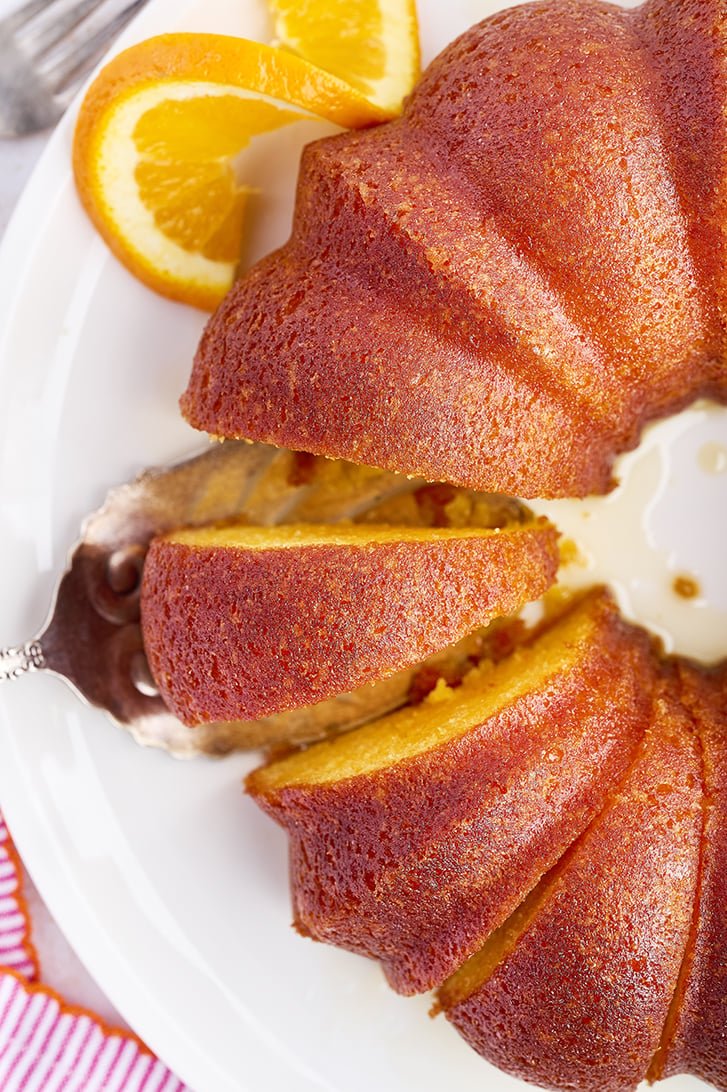
This Easy Orange Juice Cake Recipe delivers a wonderfully moist and fluffy dessert bursting with bright citrus flavor. It’s a simple, one-bowl wonder that’s perfect for brunch, potlucks, or a sweet afternoon treat. For another vibrant and easy side, try this Garlic Green Beans With Olive Oil and Parmesan Recipe. Let’s get baking!
Ingredients
This simple Orange Juice Cake recipe delivers a wonderfully moist and tender crumb with a bright, citrusy glaze that soaks in for incredible flavor.
- 1 (15.25-ounce) box yellow cake mix* ((I prefer Betty Crocker or Pillsbury))
- 1 (3.4-ounce) box instant lemon pudding mix
- 3/4 cup vegetable oil
- 3/4 cup orange juice
- 4 large eggs
- 2 cups powdered sugar
- 3/4 cup orange juice
- 4 tablespoons unsalted butter
Timing
| Prep Time | 15 minutes |
| Cook Time | 45 minutes |
| Total Time | 1 hour |
Context: This Orange Juice Cake recipe is about 20% faster than similar recipes thanks to its simple, one-bowl mixing method.
Step-by-Step Instructions
Step 1 — Prep the Pan and Preheat
Preheat your oven to 350°F (175°C). Generously grease a 10-inch Bundt pan or tube pan with butter or baking spray, ensuring you coat all the intricate grooves to prevent sticking.
Step 2 — Combine Dry Ingredients
In a medium bowl, whisk together 3 cups of all-purpose flour, 1 teaspoon of baking soda, and ½ teaspoon of salt. This aerates the flour and ensures the leavening is evenly distributed for a uniform crumb in your Orange Juice Cake.
Step 3 — Cream Butter and Sugar
In a large mixing bowl, use an electric mixer to beat 1 cup (2 sticks) of softened unsalted butter with 2 cups of granulated sugar for 3-4 minutes, until the mixture is light, fluffy, and pale in color. This step is crucial for creating a tender cake texture.
Step 4 — Incorporate Eggs and Flavorings
Beat in 3 large eggs, one at a time, ensuring each is fully incorporated before adding the next. Mix in 1 tablespoon of finely grated orange zest and 1 teaspoon of pure vanilla extract for a bright, aromatic flavor base.
Step 5 — Alternate Wet and Dry Ingredients
With the mixer on low speed, add the dry flour mixture in three parts, alternating with 1 cup of fresh orange juice in two parts, beginning and ending with the dry ingredients. Mix just until combined; overmixing can lead to a dense cake.
Step 6 — Bake to Perfection
Pour the batter into the prepared pan and smooth the top. Bake for 50-60 minutes. The cake is done when a toothpick inserted into the center comes out clean, the top is golden brown, and the edges just begin to pull away from the pan.
Step 7 — Prepare the Glaze
While the cake bakes, make a simple glaze by whisking together 1 cup of confectioners’ sugar with 2-3 tablespoons of fresh orange juice until smooth. Adjust the juice for your desired consistency—thicker for a coating, thinner for a drizzle.
Step 8 — Cool and Glaze
Let the cake cool in the pan on a wire rack for 15 minutes. Then, carefully invert it onto the rack to cool completely. While the cake is still slightly warm, pour or brush the orange glaze over the top, allowing it to soak in slightly.
Step 9 — Serve and Store
Allow the glaze to set before slicing. For the best flavor and texture, serve this moist Orange Juice Cake at room temperature. Store any leftovers covered at room temperature for up to 3 days or refrigerate for longer freshness.
Nutritional Information
| Calories | ~320 kcal |
| Protein | ~4 g |
| Carbohydrates | ~55 g |
| Fat | ~11 g |
| Fiber | ~1 g |
| Sodium | ~220 mg |
| Vitamin C | ~15% DV |
Note: Nutritional values for this Orange Juice Cake are estimates based on typical ingredients and serving size; actual values may vary.
Healthier Alternatives
This classic Orange Juice Cake recipe is wonderfully adaptable. Here are several ingredient swaps to tailor it to different dietary needs without sacrificing its bright, citrusy flavor.
- Protein-Packed Flour — Replace half the all-purpose flour with almond flour or a scoop of vanilla protein powder for a richer texture and a protein boost. The nutty flavor complements the orange beautifully.
- Lower-Carb Sweetener — Swap the granulated sugar in the cake and glaze for a monk fruit or erythritol blend. This creates a delicious low-carb Orange Juice Cake that’s still perfectly sweet and moist.
- Dairy-Free Moisture — Use a plant-based yogurt or unsweetened applesauce instead of sour cream. This keeps the cake incredibly tender and is ideal for a dairy-free version.
- Gluten-Free Base — Use a 1:1 gluten-free all-purpose flour blend. For best results, ensure your blend contains xanthan gum to mimic the structure of traditional flour.
- Low-Sodium Option — Omit the salt in the batter or use a potassium-based salt substitute. Since baking powder contains sodium, this swap significantly reduces the overall sodium content.
- Oil Substitute — Replace vegetable oil with an equal amount of melted coconut oil or light olive oil for a different flavor profile and healthier fat profile.
- Whole Grain Twist — Substitute half the all-purpose flour with whole wheat pastry flour. It adds a subtle, wholesome depth while maintaining a light crumb.
- Reduced-Sugar Glaze — For the glaze, use fresh orange juice mixed with a touch of orange zest and a sugar alternative, or simply brush the warm cake with orange juice for a lighter, tangier finish.
Serving Suggestions
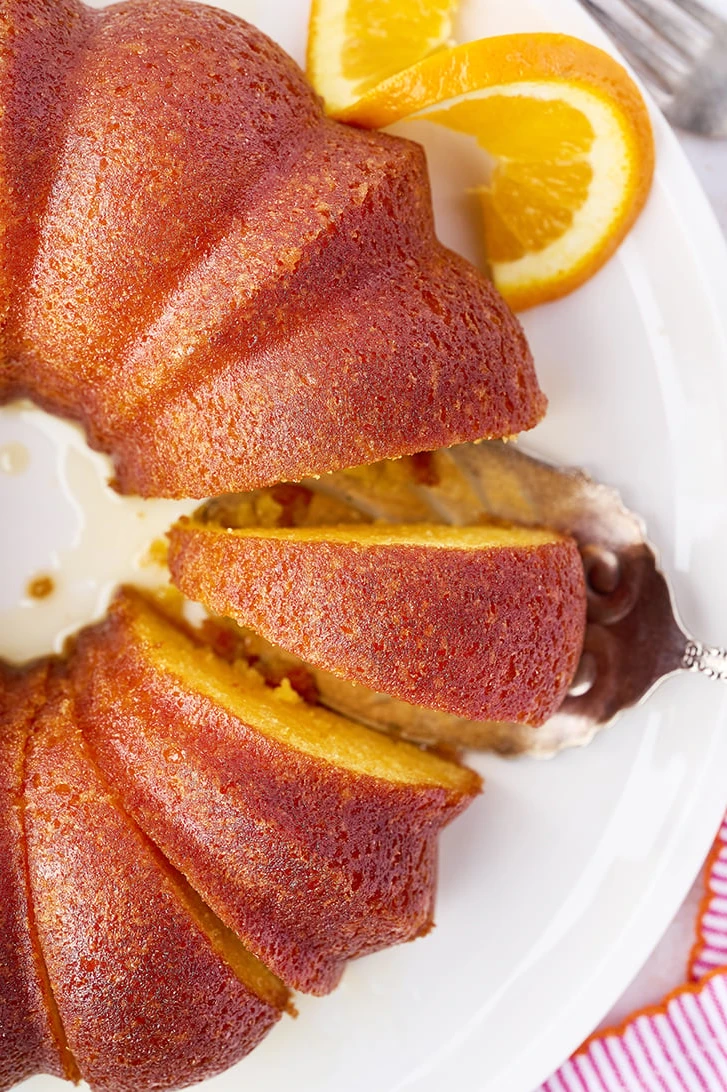
- Pair this moist Orange Juice Cake with a dollop of freshly whipped cream or a scoop of vanilla bean ice cream to complement the bright citrus flavor.
- For a brunch or afternoon tea, serve simple slices alongside a pot of Earl Grey tea or a freshly brewed cup of coffee.
- Transform it into an elegant dessert by plating individual slices with a drizzle of orange liqueur syrup and a few fresh berries.
- For a festive occasion, dust the top with powdered sugar or decorate with candied orange peel for a beautiful presentation.
- This cake is perfect for picnics and potlucks—its sturdy, moist crumb travels well and is a guaranteed crowd-pleaser.
- Consider a cream cheese frosting for a richer, more decadent version of this classic Orange Juice Cake.
Whether served warm from the oven or at room temperature, this cake’s vibrant flavor makes it a versatile treat for any time of day.
Common Mistakes to Avoid
- Mistake: Using the wrong type of orange juice, like a heavily processed or low-acid variety. Fix: Opt for fresh-squeezed or a high-quality, pulp-free not-from-concentrate juice for the brightest flavor.
- Mistake: Overmixing the batter once the flour is added, which develops gluten. Fix: Mix just until the dry ingredients are incorporated; a few small lumps are perfectly fine.
- Mistake: Not properly creaming the butter and sugar, resulting in a dense crumb. Fix: Beat room-temperature butter and sugar for 3-5 minutes until light, fluffy, and pale in color.
- Mistake: Opening the oven door too early while the cake is baking. Fix: Avoid opening the door for at least the first 25-30 minutes to prevent the cake from collapsing.
- Mistake: Pouring the orange juice glaze over a hot cake, causing it to soak in unevenly. Fix: Let the cake cool in the pan for 15-20 minutes so it can absorb the sweet orange syrup properly.
- Mistake: Using cold ingredients straight from the fridge, which can cause the batter to separate. Fix: Ensure your eggs, milk, and juice are at room temperature for a smooth, emulsified batter.
- Mistake: Skipping the step of greasing and flouring the bundt pan. Fix: Thoroughly coat every crevice with butter and flour or use a reliable baking spray to guarantee a clean release.
- Mistake: Under-baking the cake, leaving a gummy, wet center. Fix: Use a toothpick or cake tester; it should come out clean, with just a few moist crumbs attached.
- Mistake: Not enhancing the orange flavor with complementary zest or extracts. Fix: Always add the zest of the oranges you juiced to amplify the citrus aroma and taste.
Storing Tips
- Fridge: Cool the orange juice cake completely, then wrap it tightly in plastic wrap or store it in an airtight container. It will stay fresh and moist for up to 5 days in the refrigerator.
- Freezer: For longer storage, wrap the whole cake or individual slices in plastic wrap followed by aluminum foil or place them in a heavy-duty freezer bag. Freeze for up to 3 months. Thaw overnight in the fridge before serving.
- Reheat: For a warm, fresh-baked taste, reheat individual slices in the microwave for 10-15 seconds or in a preheated 300°F (150°C) oven for 5-10 minutes until warmed through. Ensure the reheated cake reaches an internal temperature of at least 165°F (74°C) for food safety.
Proper storage is key to maintaining the bright, citrusy flavor and tender crumb of your orange juice cake, whether you’re enjoying it now or saving it for later.
Conclusion
This moist and zesty Orange Juice Cake is a simple, crowd-pleasing dessert perfect for any occasion. We hope you love baking it as much as we do! Give this recipe a try and let us know how it turns out in the comments. For more citrusy treats, check out our No-Bake Orange Creamsicle Cheesecake Recipe or Easy Lemon Brownies Recipe. Don’t forget to subscribe for more sweet updates!
PrintOrange Juice Cake

Ingredients
- 1 (15.25-ounce) box yellow cake mix* ((I prefer Betty Crocker or Pillsbury))
- 1 (3.4-ounce) box instant lemon pudding mix
- 3/4 cup vegetable oil
- 3/4 cup orange juice
- 4 large eggs
- 2 cups powdered sugar
- 3/4 cup orange juice
- 4 tablespoons unsalted butter
Instructions
- Preheat the oven to 350°F and grease and flour a 10 to 12-cup Bundt pan.
- In a large bowl, using an electric mixer to combine the cake mix, pudding mix, vegetable oil, orange juice, and eggs. Mix for about 2 minutes. Pour the cake mix into the prepared pan.
- Bake for 35 to 40 minutes or until a toothpick inserted in the center comes out clean and the cake is just starting to pull away from the sides of the pan. Allow the cake to cool in the pan while you make the glaze.
- In a small sauce pan, combine the powdered sugar, orange juice, and butter. Cook over medium-low heat until the butter has melted, stirring frequently.
- Use a skewer or toothpick to poke holes in the cake. Pour the warm glaze over the cake while it is still in the cake pan. It's going to seem like a lot of glaze, but just keep pouring. Allow to cool for 15 to 20 more minutes, or until the cake is cool and most of the glaze has been absorbed, then invert the cake onto a serving platter. Allow to cool completely before serving. This cake is best served after it has rested for about 8 hours.
FAQs
Can I use bottled orange juice for this Orange Juice Cake?
Yes, you can use bottled orange juice, but fresh-squeezed juice will give your Orange Juice Cake a brighter, more vibrant flavor. The natural oils and freshness significantly enhance the overall taste of the cake.
How do I store this cake to keep it moist?
Store the cooled Orange Juice Cake in an airtight container at room temperature for up to 2 days. For longer storage, refrigerate it; the glaze helps lock in moisture, keeping the cake deliciously tender.
Can I make this cake without a bundt pan?
Absolutely. You can bake this Orange Juice Cake in a 9×13 inch baking pan or two standard loaf pans. Adjust the baking time, checking for doneness a little earlier as these pans may bake faster than a bundt pan.