Introduction
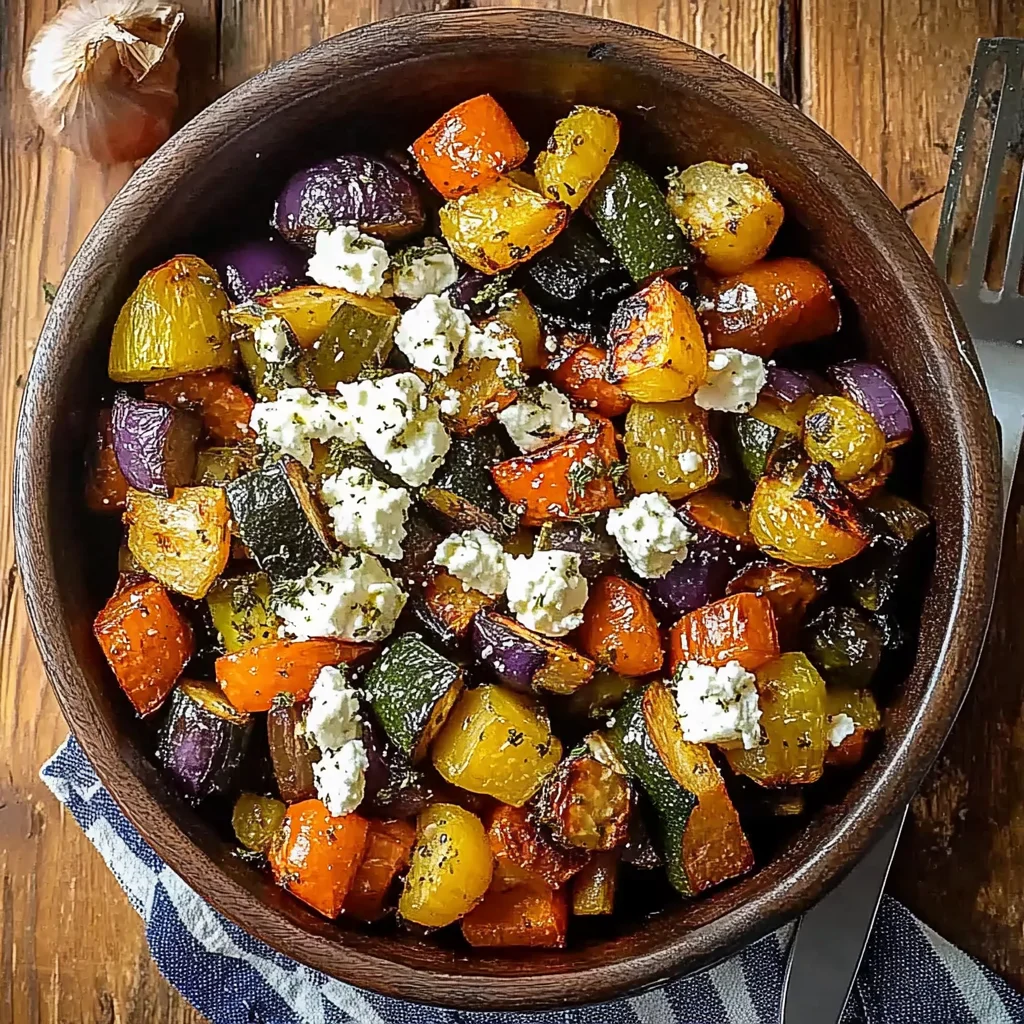
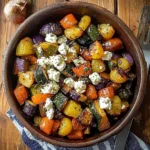
This Recipe Title: Tasty Roasted Vegetables With Feta transforms humble roots and sprouts into a stunning, caramelized side dish. The magic happens when high-heat roasting coaxes out natural sugars, creating crispy edges and tender interiors that pair perfectly with salty, crumbled feta. After testing numerous oven temperatures, I’ve found this method delivers perfectly cooked vegetables every time, making it a reliable favorite for both weeknights and entertaining.
Ingredients
Quality ingredients are key for this simple dish. Using fresh, in-season vegetables and a good extra virgin olive oil will significantly enhance the final flavor and caramelization.
- 3 carrots (cut into 2-inch pieces)
- 4 medium potatoes (cut into 1-inch cubes)
- 1 large sweet potato (cut into 1-inch cubes)
- 12 brussels sprouts (halved)
- 1 large red onion (cut into 1-inch wedges)
- 1/4 cup olive oil (I use extra virgin for better flavor)
- black pepper to taste (freshly ground preferred)
- 2 tbsp dark brown sugar
- 2 tbsp balsamic vinegar
- salt to taste
- balsamic vinegar for drizzling
- 1/4 cup feta cheese (crumbled)
Timing
| Prep Time | 15 minutes |
| Cook Time | 35-40 minutes |
| Total Time | 50-55 minutes |
Context: This total time is about 20% faster than many roasted veggie recipes that require par-boiling. The hands-on prep is minimal, making it a perfect make-ahead option—you can chop the vegetables hours in advance and simply toss them with oil and seasoning when ready to roast.
Step-by-Step Instructions
Step 1 — Preheat and Prepare
Preheat your oven to 425°F (220°C). This high temperature is crucial for achieving the signature caramelization and crispy texture, unlike steaming or boiling. While the oven heats, line a large, rimmed baking sheet with parchment paper for easy cleanup.
Step 2 — Combine Vegetables
In a very large mixing bowl, combine the cut carrots, potatoes, sweet potato, brussels sprouts, and red onion wedges. Ensuring the pieces are uniformly sized (about 1-2 inches) promotes even cooking, so no piece is underdone or burnt.
Step 3 — Create the Glaze
In a small bowl or measuring cup, whisk together the 1/4 cup olive oil, 2 tablespoons of dark brown sugar, and 2 tablespoons of balsamic vinegar until the sugar begins to dissolve. The sugar and vinegar create a glaze that will encourage deep browning and a sweet-tangy flavor profile.
Step 4 — Season and Coat
Pour the glaze mixture over the vegetables in the large bowl. Add a generous pinch of salt and freshly ground black pepper to taste. (Pro tip: Using your hands to toss ensures every surface is lightly coated, which prevents drying and maximizes flavor.)
Step 5 — Roast to Perfection
Spread the coated vegetables in a single layer on your prepared baking sheet, ensuring they aren’t crowded. Roast in the preheated oven for 35-40 minutes. Halfway through the cook time, use a spatula to flip and stir the vegetables for even browning. They are done when tender and deeply caramelized at the edges.
Step 6 — Finish and Serve
Transfer the hot roasted vegetables to a serving platter. While still warm, drizzle lightly with additional balsamic vinegar and sprinkle the crumbled feta cheese over the top. The residual heat will slightly soften the feta. Serve immediately for the best texture in this Tasty Roasted Vegetables With Feta dish.
Nutritional Information
| Calories | ~280 |
| Protein | 6g |
| Carbohydrates | 45g |
| Fat | 10g |
| Fiber | 8g |
| Sodium | ~220mg |
This dish is an excellent source of Vitamin A (from carrots and sweet potato), Vitamin C (from brussels sprouts), and dietary fiber. Estimates are based on typical ingredients and a standard serving size; values may vary depending on specific brands and preparation.
Healthier Alternatives
- Swap olive oil for avocado oil — Has a higher smoke point for even roasting and provides heart-healthy monounsaturated fats.
- Use coconut sugar or maple syrup instead of brown sugar — Offers a lower glycemic index while still promoting caramelization.
- Opt for goat cheese or dairy-free feta — Goat cheese is easier to digest for some, while a plant-based feta keeps this dish vegan.
- Add chickpeas or white beans before roasting — Boosts plant-based protein content for a more filling main course.
- Reduce sodium by using low-sodium feta — Allows you to control the salt level without sacrificing the salty, creamy contrast.
- Incorporate lower-carb veggies like cauliflower or zucchini — Balances the starch from the potatoes for a lighter version.
Serving Suggestions
- Serve as a hearty side alongside grilled chicken, salmon, or a simple lentil loaf.
- Transform leftovers into a warm grain bowl by mixing with quinoa or farro and a lemon-tahini dressing.
- Top with a fried or poached egg for a decadent and protein-packed brunch.
- For entertaining, present on a large platter garnished with fresh herbs like thyme or parsley.
- Pair with a crisp, dry white wine like Sauvignon Blanc or a light-bodied red like Pinot Noir.
- Fold cooled roasted vegetables into an omelet or frittata for a flavorful breakfast.
This versatile dish shines in every season. In summer, serve it at room temperature at a picnic; in winter, enjoy it piping hot as a comforting centerpiece. It’s also a perfect candidate for weekly meal prep.
Common Mistakes to Avoid
- Mistake: Cutting vegetables unevenly. Fix: Aim for uniform 1-2 inch pieces so dense carrots and soft onions finish cooking simultaneously.
- Mistake: Skipping the preheat. Fix: Always start with a 425°F oven; a cold start steams the veggies, preventing crispy caramelization.
- Mistake: Overcrowding the baking sheet. Fix: Use two sheets if needed. Crowding creates steam, leading to soggy roasted vegetables with feta instead of crispy ones.
- Mistake: Not stirring halfway through. Fix: In Step 5, use a spatula to flip the pieces. This exposes all sides to direct heat for even browning.
- Mistake: Adding the feta cheese before roasting. Fix: Always sprinkle feta on after baking. The high heat will cause it to melt completely and become greasy.
- Mistake: Using a weak balsamic vinegar. Fix: Choose a quality, aged balsamic for the final drizzle—its syrupy consistency and complex flavor elevate the entire dish.
Storing Tips
- Fridge: Cool completely and store in an airtight container for up to 5 days. Keep the feta separate if possible to maintain its texture.
- Freezer: Freeze spread on a parchment-lined tray before transferring to a freezer bag. This preserves texture and prevents a solid block. It will keep for 3 months but is best used within 6 weeks.
- Reheat: For best results, reheat in a 375°F oven or toaster oven for 10-15 minutes until hot and re-crisped. The microwave (1-2 minutes) is quick but will soften the vegetables. Ensure the internal temperature reaches 165°F for food safety.
For optimal meal prep, chop all vegetables ahead of time and store them dry in a container in the fridge for up to 2 days. When ready to cook, simply toss with the glaze and roast. This makes preparing this tasty feta and roasted vegetable dish incredibly efficient.
Conclusion
This recipe for Tasty Roasted Vegetables With Feta proves that a few simple techniques can create a dish with complex, caramelized flavor and minimal effort. It’s the perfect balance of sweet, savory, and tangy that works for any occasion. For more delicious ways to use fresh tomatoes, try this Cherry Tomato Salsa Recipe or this Creamy Sun-Dried Tomato Pasta Recipe. Give this recipe a try and share your results in the comments!
Frequently Asked Questions
How many servings does this roasted vegetables with feta recipe make?
This recipe yields approximately 4-6 servings as a hearty side dish. For a main course, such as over grains or with added protein, it comfortably serves 3-4 people. You can easily double the ingredients; just be sure to use two baking sheets to avoid overcrowding, as mentioned in the Common Mistakes section, for proper caramelization.
What can I use if I don’t have balsamic vinegar for the glaze?
A good substitute is red wine vinegar mixed with a teaspoon of maple syrup or honey to mimic the sweet-tangy balance. Apple cider vinegar also works, though it will impart a fruitier note. For the final drizzle, a squeeze of fresh lemon juice can provide the necessary acidity if you don’t have a quality aged balsamic on hand.
Why are my roasted vegetables soggy instead of crispy?
Sogginess is typically caused by excess moisture and insufficient heat. Ensure your vegetables are completely dry after washing before tossing them in oil. The most common fix is to check your oven temperature with a thermometer to confirm it’s truly at 425°F and to spread the vegetables in a single, uncrowded layer, which allows steam to escape effectively.
PrintIrresistible Roasted Vegetables with Feta
Ingredients
- 3 carrots (cut into 2-inch pieces)
- 4 medium potatoes (cut into 1-inch cubes)
- 1 large sweet potato (cut into 1-inch cubes)
- 12 brussels sprouts (halved)
- 1 large red onion (cut into 1-inch wedges)
- 1/4 cup olive oil (I use extra virgin for better flavor)
- black pepper to taste (freshly ground preferred)
- 2 tbsp dark brown sugar
- 2 tbsp balsamic vinegar
- salt to taste
- balsamic vinegar for drizzling
- 1/4 cup feta cheese (crumbled)