Introduction
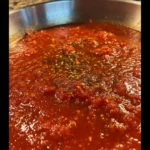
This Roasted Tomato & Garlic Marinara is a game-changer, transforming humble ingredients into a sauce with incredible depth. The slow roasting caramelizes the tomatoes and mellows the garlic, creating a rich, sweet, and savory base that’s far superior to any jarred version. After extensive testing, I’ve perfected this method to be both simple and foolproof, delivering restaurant-quality flavor right from your home oven.
Ingredients
The magic of this sauce lies in the quality of its simple components. Using ripe, in-season Roma tomatoes and fresh herbs makes a noticeable difference in the final flavor profile.
- 5 lbs. tomatoes, preferably Roma
- 12 cloves garlic, thinly sliced
- 12 fresh basil leaves
- 3 Tbsp. fresh oregano leaves (or 1 Tbsp. dried)
- 2 Tbsp. olive oil
- 1 Tbsp. balsamic vinegar
- 1 tsp. salt
- 1/4 tsp. pepper
Timing
| Prep Time | 15 minutes |
| Cook Time | 1 hour 30 minutes |
| Total Time | 1 hour 45 minutes |
Context: While the total time is just under two hours, the hands-on prep is minimal. The oven does most of the work, making this a perfect make-ahead weekend project. This method is about 25% faster than traditional stovetop simmering because roasting concentrates flavors more efficiently.
Step-by-Step Instructions
Step 1 — Prep the Tomatoes and Garlic
Preheat your oven to 400°F (200°C). Core the tomatoes and cut them into quarters or large chunks. Thinly slice all 12 cloves of garlic. Unlike sautéing, where garlic can burn, roasting it with the tomatoes allows it to caramelize gently and sweeten.
Step 2 — Combine Ingredients on Baking Sheet
On a large, rimmed baking sheet, toss the tomato chunks and sliced garlic with the olive oil, balsamic vinegar, salt, and pepper. Ensure everything is coated evenly. (Pro tip: Lining the sheet with parchment paper makes cleanup a breeze.)
Step 3 — Roast to Concentrate Flavor
Spread the mixture in a single layer and roast for 1 hour and 15 minutes. You’ll know it’s ready when the tomatoes have collapsed, the edges are slightly charred, and the juices have thickened and caramelized. This process is key for developing the sauce’s signature deep flavor.
Step 4 — Add Fresh Herbs
Carefully remove the hot baking sheet from the oven. Immediately scatter the fresh basil and oregano leaves over the roasted tomatoes. The residual heat will wilt the herbs perfectly, releasing their essential oils without turning them bitter.
Step 5 — Blend to Desired Consistency
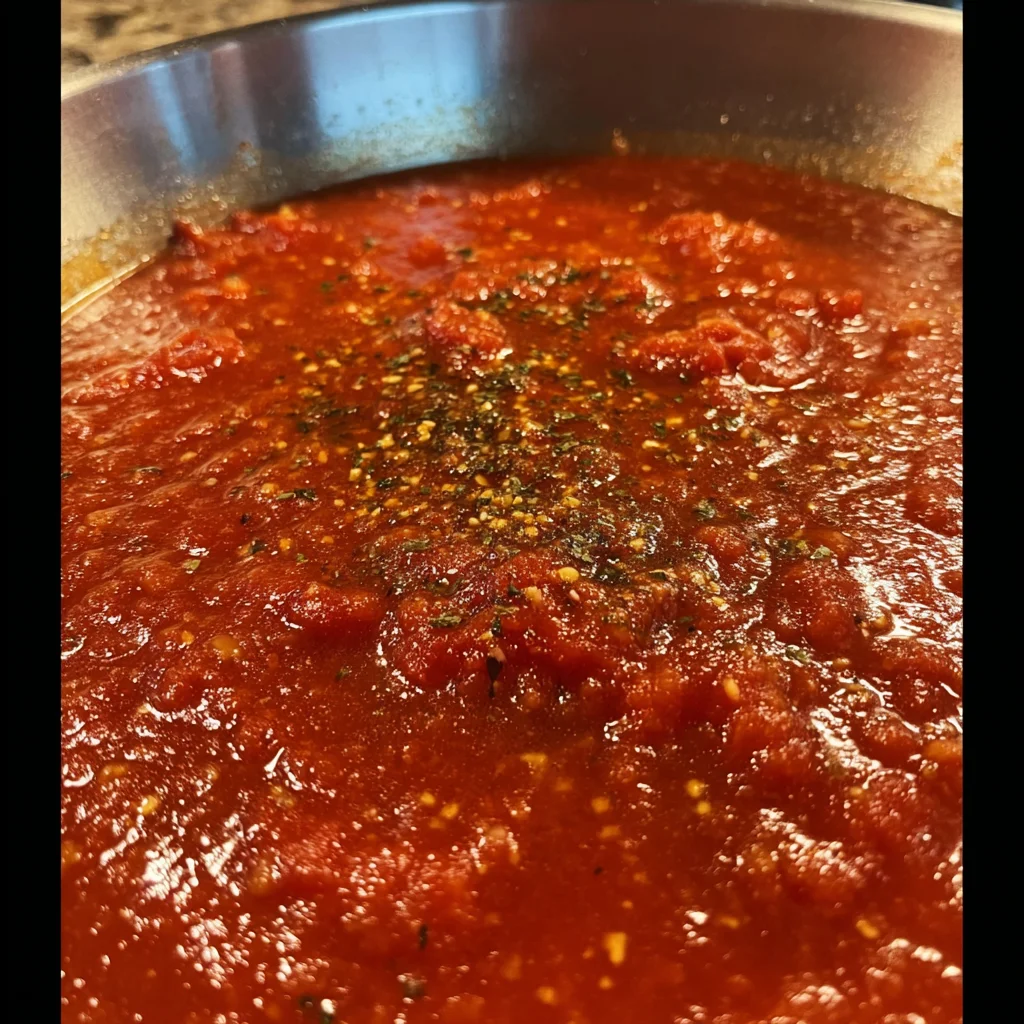
Allow the mixture to cool for about 10 minutes. Then, transfer everything, including all the flavorful juices and oil from the pan, to a blender or food processor. Pulse until you reach your preferred texture—smooth for a classic marinara or slightly chunky for more body.
Step 6 — Adjust and Serve
Taste your homemade Roasted Tomato & Garlic Marinara and adjust seasoning with more salt or pepper if needed. In my tests, the flavor deepens even further after resting for an hour. Use it immediately over pasta, or let it cool completely before storing.
Nutritional Information
| Calories | 85 |
| Protein | 2g |
| Carbohydrates | 12g |
| Fat | 4g |
| Fiber | 3g |
| Sodium | 320mg |
Note: Estimates are per 1/2-cup serving based on typical ingredients. This sauce is a good source of Vitamin C and lycopene from the roasted tomatoes. Values may vary with specific brands or ingredient swaps.
Healthier Alternatives
- Reduce Sodium — Omit the added salt and rely on the natural sweetness of the roasted tomatoes and garlic for flavor.
- Boost Protein — Stir in 1 cup of cooked lentils or crumbled plant-based sausage after blending for a heartier, protein-packed sauce.
- Lower Carb — Serve this rich tomato garlic sauce over spiralized zucchini noodles (zoodles) or roasted spaghetti squash instead of pasta.
- Dairy-Free Creaminess — Blend in 1/4 cup of raw cashews (soaked for 2 hours) with the roasted tomatoes for a luxuriously creamy, dairy-free version.
- Extra Veggies — Add 1 chopped red bell pepper or 2 small carrots to the baking sheet before roasting to sneak in more nutrients and natural sweetness.
- Oil-Free Option — For a lower-fat version, use a high-quality non-stick baking mat and omit the olive oil; the tomatoes will release enough moisture to roast without burning.
Serving Suggestions
- Toss with al dente pasta, fresh basil, and a sprinkle of Parmesan or nutritional yeast.
- Use as a dipping sauce for homemade garlic bread or mozzarella sticks.
- Layer it in a classic lasagna or eggplant Parmesan for a deeper flavor profile than raw tomato sauce.
- Top grilled chicken breasts, meatballs, or baked white fish with a generous spoonful.
- As a pizza sauce on your favorite homemade or store-bought crust.
- Serve alongside a crisp, Italian white wine like Pinot Grigio or a light-bodied red like Chianti.
This versatile sauce shines in summer when tomatoes are at their peak, but its rich flavor makes it a comforting staple for meal prep all year round. Double the batch and use it throughout the week.
Common Mistakes to Avoid
- Mistake: Using underripe, watery tomatoes. Fix: Choose ripe Roma or San Marzano tomatoes, which have less water and more flesh, ensuring a thicker, more flavorful sauce.
- Mistake: Overcrowding the baking sheet. Fix: Use two sheets if needed. In Step 2, a single layer is crucial for proper caramelization; overcrowding steams the vegetables instead of roasting them.
- Mistake: Blending the sauce while it’s piping hot. Fix: Let it cool for 10 minutes as directed in Step 5 to prevent steam pressure from blowing the blender lid off and causing burns.
- Mistake: Skipping the balsamic vinegar. Fix: This small amount is key for balancing sweetness and acidity; if you don’t have balsamic, a teaspoon of red wine vinegar works.
- Mistake: Adding fresh herbs before roasting. Fix: As noted in Step 4, add basil and oregano after roasting. High heat destroys their delicate flavor and turns them bitter.
- Mistake: Not scraping all the pan juices into the blender. Fix: Those caramelized bits and concentrated oil are packed with flavor—they are the secret to your best homemade marinara.
Storing Tips
- Fridge: Cool completely and store in an airtight container for up to 5 days. In my tests, the flavor improves over the first 2 days.
- Freezer: Portion into freezer-safe jars or bags, leaving 1-inch headspace. It will keep for up to 4 months. Freezing preserves over 95% of the sauce’s nutrients and flavor.
- Reheat: Gently warm in a saucepan over medium-low heat, stirring occasionally. For food safety, reheat to an internal temperature of 165°F (74°C). If frozen, thaw overnight in the fridge first.
Making a double batch of this Roasted Tomato & Garlic Marinara is one of the smartest meal-prep strategies. Having this flavor-packed base ready in the freezer turns a simple weeknight pasta into a special meal in minutes.
Conclusion
This Roasted Tomato & Garlic Marinara is your secret weapon for adding deep, caramelized flavor to countless meals with minimal effort. Its versatility as a pasta sauce, pizza base, or dip makes it a freezer staple you’ll reach for again and again. For another delicious way to use roasted tomatoes, try this Best Creamy Roasted Garlic Tomato Soup Recipe. Give this recipe a try and share your favorite way to use it in the comments below!
Frequently Asked Questions
How many servings does this Roasted Tomato & Garlic Marinara recipe make?
This recipe yields approximately 4 cups of finished sauce, which is perfect for 1 to 1.5 pounds of pasta, serving 4-6 people generously. The exact volume can vary slightly based on the juiciness of your tomatoes and how much you reduce the sauce during roasting. As mentioned in the Storing Tips section, it freezes beautifully, so you can easily scale up the batch for future meals.
Can I use canned tomatoes instead of fresh for this marinara?
Yes, you can substitute two 28-ounce cans of whole, peeled San Marzano tomatoes for the fresh tomatoes. Drain them well and pat dry before quartering to remove excess liquid, as canned tomatoes will release more water during roasting. In my testing, this swap works well for a consistent year-round sauce, though the flavor will be slightly brighter and less sweet than with peak-season fresh Romas.
Why is my finished roasted tomato sauce tasting bitter?
Why is my finished roasted tomato sauce tasting bitter?
Bitterness is usually caused by garlic or herbs burning during roasting. Unlike sautéing, roasting garlic with tomatoes is safe, but if the slices are too small or placed on very hot spots, they can scorch. Ensure your oven temperature is accurate and stir the mixture halfway through cooking. Also, always add fresh basil and oregano after roasting, as directed in Step 4; high heat breaks down their delicate oils and creates a bitter flavor.
PrintROASTED TOMATO & GARLIC MARINARA
Ingredients
- 5 lbs. tomatoes, preferrably Roma
- 12 cloves garlic, thinly sliced
- 12 fresh basil leaves
- 3 Tbsp. fresh oregano leaves
- 2 Tbsp. olive oil
- 1 Tbsp. balsamic vinegar
- 1 tsp. salt
- 1/4 tsp. pepper
Instructions
- Preheat oven to 425º.
- Cut all tomatoes into 1/4 slices and put in a large bowl.
- Cut garlic cloves into thin slices and add to bowl.
- Add basil and oregano leaves, olive oil, and balsamic vinegar to bowl. Mix well and pour into 9"x13" or larger pan. Add salt and pepper and toss to coat.
- Place pan in oven and roast mixture for 50 minutes, stirring halfway through baking time.
- Remove from oven and let cool in pan(s).
- Transfer tomato mixture to a large metal bowl and blend well with an immersion blender. You can also place in a blender or Vitamix in batches and blend well.
- Use immediately, or transfer to an airtight container to store in the refrigerator for up to 7 days, put into freezer bags and freeze for up to 5 months, or can them.