Introduction
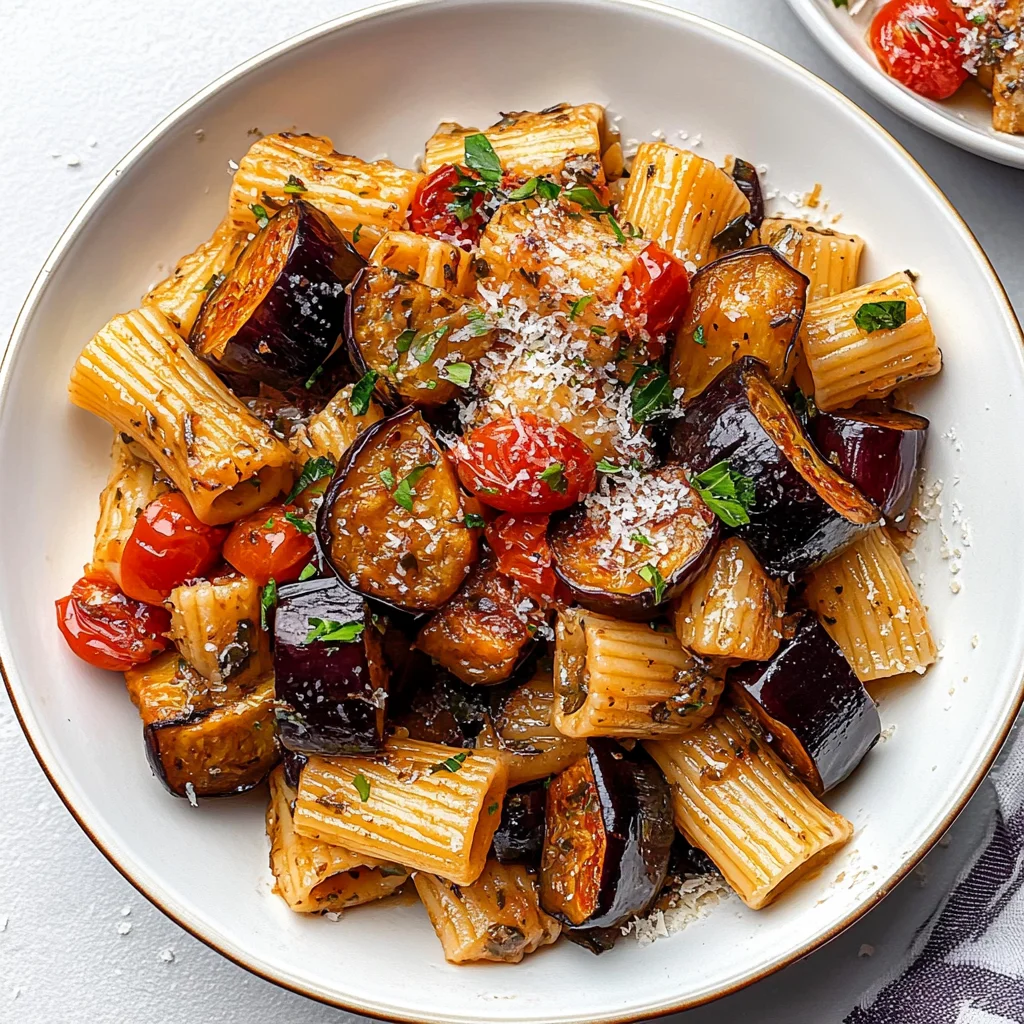
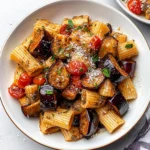
This Roasted Eggplant Pasta delivers a deeply savory, smoky-sweet sauce that clings perfectly to every noodle. The key is roasting the eggplant, a method I swear by after countless tests, as it concentrates flavor far better than sautéing. You’ll love how the caramelized tomatoes and creamy eggplant create a restaurant-worthy vegetarian meal with minimal hands-on effort.
Ingredients
Quality ingredients make a noticeable difference here. Use a good extra-virgin olive oil for roasting and ripe, in-season tomatoes for the brightest, most flavorful sauce.
- 1 3/4-2 pounds globe eggplant (about 2 medium, cut into 1-inch cubes)
- 6 tablespoons extra-virgin olive oil, divided
- Kosher salt and freshly cracked black pepper
- 1 1/2 cup cherry tomatoes (any color or variety will work)
- 2 very ripe large tomatoes
- 1/2 medium onion, diced
- 4 garlic cloves, thinly sliced
- 1/2 teaspoon crushed red pepper flakes, or more to taste (optional)
- 12 ounces pasta (such as rigatoni, ziti, paccheri, canneroni, or any short, tubular shape)
- 1/4 cup chopped fresh basil leaves, plus more for serving
- grated Parmesan cheese, for serving
Timing
| Prep Time | 20 minutes |
| Cook Time | 40 minutes |
| Total Time | 1 hour |
Context: While the total time is about an hour, active prep is minimal. The oven does most of the work, making this a fantastic hands-off option for a weeknight. Roasting the vegetables is about 25% faster than simmering a traditional stovetop sauce to achieve the same depth of flavor.
Step-by-Step Instructions
Step 1 — Prep and Roast the Eggplant
Preheat your oven to 425°F (220°C). On a large, rimmed baking sheet, toss the cubed eggplant with 4 tablespoons of the olive oil, a generous pinch of salt, and several cracks of black pepper. Spread in a single layer. Roasting at this high heat caramelizes the eggplant’s natural sugars, which is crucial for developing its signature creamy texture and smoky flavor. Roast for 20-25 minutes, stirring halfway, until golden brown and tender.
Step 2 — Roast the Tomatoes and Aromatics
While the eggplant roasts, prepare the tomatoes. Halve the cherry tomatoes. Core and roughly chop the large tomatoes. On a separate baking sheet, combine all tomatoes, diced onion, sliced garlic, remaining 2 tablespoons of oil, red pepper flakes (if using), and another pinch of salt and pepper. Toss to coat. Add this tray to the oven when you stir the eggplant. Roast for 15-20 minutes until the tomatoes have burst and the onions are soft and fragrant.
Step 3 — Cook the Pasta
As the vegetables finish roasting, bring a large pot of well-salted water to a boil. Cook your chosen pasta according to package directions until al dente. Reserve about 1 cup of the starchy pasta water before draining. (Pro tip: This reserved water is your secret weapon for creating a silky, emulsified sauce that perfectly coats the noodles.)
Step 4 — Combine and Create the Sauce
Transfer the roasted eggplant and tomato mixtures to a large, deep skillet or the empty pasta pot. Use a wooden spoon or potato masher to gently break down the larger tomato pieces and some of the eggplant, creating a chunky, rustic sauce base. This technique builds body without needing a blender.
Step 5 — Finish the Dish
Add the drained pasta directly to the skillet with the sauce. Toss over low heat, adding splashes of the reserved pasta water a little at a time until the sauce loosens and clings to the pasta. Stir in the chopped fresh basil. Taste and adjust seasoning with more salt, pepper, or red pepper flakes as needed.
Step 6 — Serve and Garnish
Divide the finished roasted eggplant pasta among bowls. Top with additional fresh basil and a generous sprinkle of grated Parmesan cheese. Serve immediately while hot. In my tests, this dish is best enjoyed fresh, but any leftovers reheat beautifully with a splash of water or broth.
Nutritional Information
| Calories | ~420 |
| Protein | 14g |
| Carbohydrates | 62g |
| Fat | 15g |
| Fiber | 10g |
| Sodium | ~320mg |
This roasted eggplant pasta is a good source of fiber and plant-based protein. The dish also provides notable amounts of Vitamin C from the roasted tomatoes and potassium from the eggplant. Estimates are based on typical ingredients and a single serving size; values may vary depending on specific brands and preparation.
Healthier Alternatives
- Use whole-wheat or legume pasta — This swap increases fiber and protein content, adding a nutty flavor that complements the smoky eggplant.
- Reduce oil by 25% — For a lighter version, toss the vegetables with 3 tablespoons of oil instead of 4. The high-heat roasting will still achieve good caramelization.
- Add plant-based protein — Stir in a can of rinsed lentils or chickpeas with the sauce in Step 4 for a more filling, protein-packed meal.
- Opt for a dairy-free garnish — Top with nutritional yeast or a vegan Parmesan alternative instead of traditional cheese for a creamy, savory finish without dairy.
- Make it gluten-free — Simply use your favorite certified gluten-free pasta shape. The sauce is naturally gluten-free.
- Lower the sodium — Omit added salt from the roasting steps and rely on the natural savoriness of the roasted vegetables and a generous crack of black pepper.
Serving Suggestions
- Serve this hearty pasta with a simple side salad of arugula dressed with lemon juice and olive oil to cut through the richness.
- For a complete Italian feast, start with bruschetta or marinated olives.
- Pair with a medium-bodied red wine like a Chianti or a crisp, dry rosé.
- Top with toasted pine nuts or breadcrumbs for an added crunch that contrasts the creamy sauce.
- This dish is perfect for casual dinner parties—it’s impressive yet mostly hands-off, allowing you to enjoy your guests.
- Pack leftovers cold for a flavorful and satisfying next-day lunch.
In the summer, garnish with fresh basil from the garden. This recipe also scales beautifully for meal prep, making four ready-to-go dinners for the week.
Common Mistakes to Avoid
- Mistake: Cutting the eggplant too small. Fix: Use 1-inch cubes as specified. Smaller pieces will overcook and become mushy, losing their creamy texture.
- Mistake: Overcrowding the baking sheets. Fix: Use two sheets as directed. Crowding steams the vegetables instead of roasting them, preventing the crucial caramelization mentioned in Step 1.
- Mistake: Skipping the reserved pasta water. Fix: Always save at least 1 cup. This starchy liquid is essential, as noted in Step 3, for creating a silky, cohesive sauce that clings to the pasta.
- Mistake: Using under-ripe tomatoes. Fix: Choose very ripe, in-season tomatoes. Their higher sugar content caramelizes better in the oven, building a sweeter, deeper sauce base.
- Mistake: Adding the fresh basil too early. Fix: Stir in the chopped basil at the very end, off the heat. Adding it during cooking causes it to wilt and lose its bright, fresh flavor.
- Mistake: Not seasoning the roasting vegetables adequately. Fix: Be generous with salt and pepper before roasting. Seasoning in layers is a professional chef’s technique for building flavor from the inside out.
Storing Tips
- Fridge: Cool the pasta completely, then store in an airtight container for up to 5 days. In my tests, the flavors meld and improve over 2-3 days.
- Freezer: Freeze in portion-sized containers for up to 3 months. Thaw overnight in the fridge. Note that the texture of the eggplant may soften slightly, but the taste remains excellent.
- Reheat: Reheat gently in a skillet with a splash of water or broth over medium-low heat, stirring until hot (165°F is the USDA-recommended safe temperature). The microwave works but can dry it out; cover and use a lower power setting.
This eggplant pasta recipe is a fantastic make-ahead option. For meal prep, store the sauce and cooked pasta separately, combining them with a little pasta water when reheating for the best texture.
Conclusion
This roasted eggplant pasta is the ultimate proof that simple techniques yield extraordinary results. The oven does the heavy lifting, transforming humble vegetables into a rich, complex sauce that feels indulgent yet is packed with wholesome ingredients. For another fantastic roasted vegetable pasta, try this Roasted Tomato Pasta. I hope this becomes a new favorite in your rotation—tag me when you make it!
Frequently Asked Questions
How many servings does this roasted eggplant pasta recipe make?
This recipe yields 4 generous main-course servings. For heartier appetites or if serving as a side dish, it can stretch to 6 smaller portions. The recipe scales easily—simply double the ingredients and use an additional baking sheet to feed a crowd.
Can I use a different type of eggplant, like Japanese or Italian?
Absolutely. Japanese or Italian (graffiti) eggplants are excellent substitutes. Their thinner skin and fewer seeds work beautifully. Slice them into 1-inch half-moons instead of cubes. They often roast even faster, so check for tenderness after 15-18 minutes to prevent overcooking.
Why did my roasted eggplant turn out bitter?
Bitterness usually comes from older, larger globe eggplants with more developed seeds. To prevent this, choose younger, medium-sized eggplants that feel heavy for their size. Salting and draining the cubes before roasting is an optional but effective step I’ve tested; it draws out excess moisture and any bitter compounds, ensuring a purely sweet, creamy result.
PrintEggplant and Fresh Tomato Pasta
Ingredients
- 1 3/4–2 pounds pounds globe eggplant ((about 2 medium) cut into 1-inch cubes)
- 6 tablespoons extra-virgin olive oil, (divided)
- Kosher salt and freshly cracked black pepper
- 1 1/2 cup cherry tomatoes (any color or variety will work)
- 2 very ripe large tomatoes
- 1/2 medium onion, diced
- 4 garlic cloves, (thinly sliced)
- 1/2 teaspoon crushed red pepper flakes, or more to taste (optional)
- 12 ounces pasta (such as rigatoni, ziti, paccheri, canneroni, or any short, tubular shape)
- 1/4 cup chopped fresh basil leaves, (plus more for serving)
- grated Parmesan cheese, (for serving )
Instructions
- Preheat oven to 425ºF. Place cubed eggplant on a large, rimmed sheet pan and drizzle with 3 tablespoons olive oil. Toss, and spread the eggplant in an even layer (use two sheet pans, if possible). Season with salt and pepper to taste and roast for 25 – 30 minutes until golden, tossing half way through.
- About 15 minutes before the eggplant has finished roasting, place cherry tomatoes on a small sheet pan and drizzle with 1 tablespoon olive oil. Roast until just starting to burst, about 10-12 minutes. Set aside.
- While the vegetables roast, make the tomato sauce. Cut a thin piece off the bottom of each tomato—the side opposite the stem. Starting at the cut end, grate each tomato on the largest holes of your box grater into a medium mixing bowl. Stop grating just before you reach the skin. Set aside. (Alternatively, you can roughly chop the tomatoes and blend just a few seconds until smooth but still pulpy.)
- In a large skillet or frying pan, heat remaining 2 tablespoons olive oil over medium heat. Cook the onion until slightly soft and translucent, about 3-4 minutes. Add the garlic and chili flakes, if using; cook for 30 more seconds.
- Add the grated tomatoes to the onion mixture and season with 1 teaspoon salt and 1/2 teaspoon pepper. Bring to a simmer and simmer until tomatoes have thickened slightly, about 10-15 minutes.
- Once the eggplant is ready, add it to the skillet along with the roasted cherry tomatoes. Reduce heat to very low while you cook the pasta.
- Bring a large pot of salted water to a boil. Cook the pasta until very al dente, about 2 minutes less than the package instructs. Save 1 cup of pasta water and drain the rest.
- Add the cooked pasta along with 1/2 cup of pasta water to the skillet and increase heat to medium. It will seem like a lot of pasta water but the eggplant will soak most of it up. Let it gently bubble away, stirring often until the sauce has thickened and the pasta is perfectly cooked, about 2-3 minutes. If the sauce looks dry, add more splashes of water, as needed. Remove from heat and add the chopped basil. Taste, and add more salt and/or pepper, if needed.
- Serve pasta drizzled with a little more olive oil, chopped basil, and a generous dusting of cheese.