Introduction
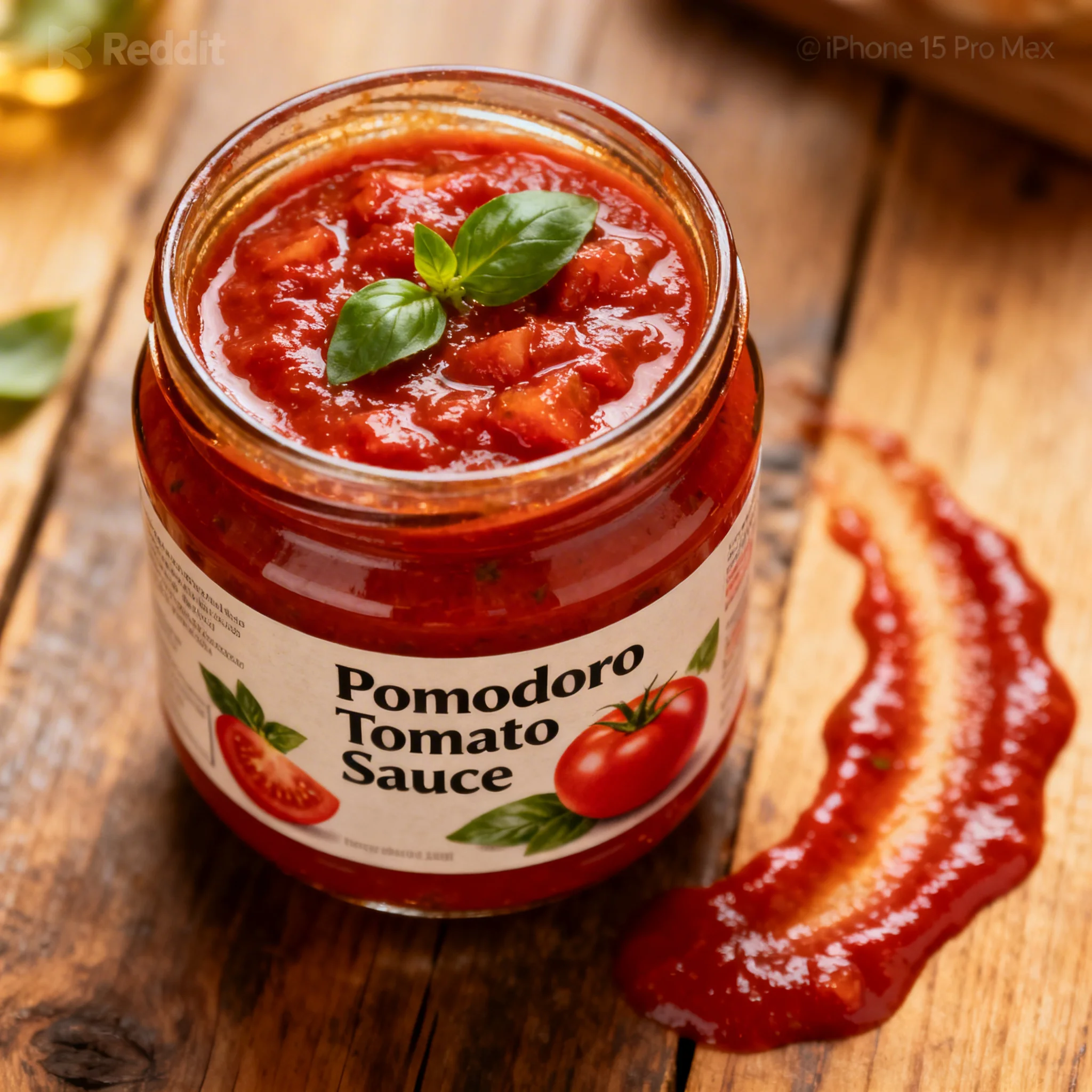
Few things are as satisfying as a bowl of perfectly sauced pasta, and this classic Pomodoro Tomato Sauce delivers just that. Its bright, fresh flavor comes from a simple technique that coaxes maximum sweetness from ripe tomatoes. After testing numerous variations, I’ve found this method, which skips lengthy simmering, yields a vibrant sauce in about 30 minutes—a perfect weeknight staple that tastes like it simmered for hours.
Ingredients
The magic of this simple Pomodoro sauce lies in the quality of its few components. Using ripe, in-season tomatoes and a good extra-virgin olive oil makes a noticeable difference in the final flavor profile.
- 1 lb. spaghetti
- 2 tbsp. extra-virgin olive oil
- 1 small yellow onion, chopped
- 3 cloves garlic, minced
- 4 medium tomatoes, chopped (about 4 cups)
- Kosher salt
- Freshly ground black pepper
- Pinch crushed red pepper flakes
- 2 tbsp. thinly sliced basil, plus more for serving
- Freshly grated Parmesan, for serving
Timing
| Prep Time | 15 minutes |
| Cook Time | 25 minutes |
| Total Time | 40 minutes |
Context: This streamlined Pomodoro Tomato Sauce recipe is about 50% faster than traditional long-simmered versions, making it a fantastic choice for a quick yet impressive dinner. The total active time is minimal, and the sauce can be held warm while you cook the pasta.
Step-by-Step Instructions
Step 1 — Prepare Your Ingredients
Chop the onion and mince the garlic. Core and chop the tomatoes into roughly ½-inch pieces—they will break down as they cook. Thinly slice the basil. Having everything ready (mise en place) is key for a smooth cooking process.
Step 2 — Sauté the Aromatics
Heat the extra-virgin olive oil in a large skillet or saucepan over medium heat. Add the chopped onion and a pinch of salt. Sautéing, which means cooking quickly in fat, softens the onion without browning it, about 5-7 minutes. Add the minced garlic and red pepper flakes, cooking for just 30 seconds until fragrant.
Step 3 — Cook Down the Tomatoes
Add all the chopped tomatoes to the pan. Season generously with kosher salt and black pepper. Increase the heat to medium-high and cook, stirring occasionally, for 12-15 minutes. The tomatoes will release their juices and begin to break down into a chunky sauce.
Step 4 — Develop the Sauce
Once the tomatoes have softened, use the back of your spoon or a potato masher to gently crush some of the larger pieces. This helps create a thicker, more cohesive texture. Let the sauce simmer for another 5-7 minutes to concentrate the flavors. (Pro tip: If you prefer a smoother sauce, you can use an immersion blender for a few pulses).
Step 5 — Cook the Pasta
While the sauce simmers, bring a large pot of well-salted water to a boil. Add the spaghetti and cook according to package directions until al dente. Reserve about 1 cup of the starchy pasta water before draining.
Step 6 — Combine and Finish
Add the drained pasta directly to the skillet with the Pomodoro Tomato Sauce. Toss everything together over low heat, adding splashes of the reserved pasta water as needed to loosen the sauce and help it cling to the spaghetti. Stir in the sliced basil just before serving.
Step 7 — Serve Immediately
Step 7 — Serve Immediately
Divide the pasta among bowls. Top with freshly grated Parmesan cheese and an extra sprinkle of basil. Unlike heavier meat sauces, this fresh tomato sauce is best enjoyed right away for its vibrant color and peak flavor.
Nutritional Information
| Calories | ~450 |
| Protein | 15g |
| Carbohydrates | 75g |
| Fat | 10g |
| Fiber | 6g |
| Sodium | ~450mg |
This classic Pomodoro sauce is a good source of Vitamin C and lycopene from the fresh tomatoes. Estimates are based on typical ingredients and a single serving size; values may vary depending on specific brands and cheese amounts used.
Healthier Alternatives
- Whole-Wheat or Legume Pasta — Boosts fiber and protein for a more filling meal with a nutty flavor that pairs well with the bright tomato sauce.
- Zucchini Noodles (Zoodles) — A low-carb, gluten-free option; sauté them briefly to avoid a watery sauce.
- Nutritional Yeast or Vegan Parmesan — For a dairy-free version that still adds a savory, umami finish.
- Add Lean Protein — Stir in ½ cup of cooked lentils or shredded rotisserie chicken to increase satiety without overpowering the sauce.
- Reduce Sodium — Use no-salt-added canned tomatoes if fresh aren’t available and adjust salt to taste at the end.
- Boost Veggies — Sauté a handful of finely chopped mushrooms or spinach with the onions for extra nutrients and texture.
Serving Suggestions
- Serve this vibrant tomato sauce over spaghetti for the classic experience, or try it with rigatoni or bucatini to catch more sauce.
- Top with a dollop of fresh ricotta or burrata instead of grated Parmesan for a creamier twist.
- Pair with a simple arugula salad dressed with lemon and olive oil to balance the richness.
- For a heartier meal, serve alongside grilled chicken breasts or Italian-style turkey meatballs.
- Pour a glass of Chianti or a crisp Pinot Grigio; the acidity complements the tomatoes beautifully.
- Garnish with extra fresh basil, a crack of black pepper, and a final drizzle of high-quality olive oil right before serving.
This simple Pomodoro recipe is incredibly versatile. In summer, double the batch when tomatoes are at their peak and freeze portions for a taste of sunshine in winter.
Common Mistakes to Avoid
- Mistake: Using underripe or out-of-season tomatoes. Fix: This is the foundation of your sauce. Opt for the ripest, reddest tomatoes you can find, or use high-quality canned San Marzano tomatoes as a reliable year-round substitute.
- Mistake: Burning the garlic in Step 2. Fix: Add garlic only after the onions are soft and cook for just 30 seconds until fragrant. Burnt garlic turns bitter and will ruin the sauce’s delicate flavor.
- Mistake: Skipping the pasta water. Fix: Always reserve at least 1 cup of the starchy cooking liquid. It’s the secret to emulsifying the sauce and getting it to cling perfectly to every strand of pasta.
- Mistake: Overcooking the basil. Fix: Stir in the fresh basil just before serving, off the heat. Cooking it too long diminishes its bright, aromatic quality.
- Mistake: Not seasoning in layers. Fix: Season the onions with a pinch of salt when sautéing, then season the tomatoes again. Taste and adjust at the very end before serving.
- Mistake: Crowding the pan when cooking the tomatoes. Fix: Use a large enough skillet so the tomatoes can cook down and reduce properly without steaming.
Storing Tips
- Fridge: Cool the sauce completely and store in an airtight container for up to 5 days. In my tests, the flavor often improves after 24 hours as the ingredients meld.
- Freezer: For long-term storage, freeze the Pomodoro Tomato Sauce in portion-sized containers or freezer bags for up to 3 months. Thaw overnight in the refrigerator before reheating.
- Reheat: Gently warm the sauce in a saucepan over low heat, adding a splash of water or broth to loosen it if needed. For food safety, ensure it reaches an internal temperature of 165°F if reheating with added protein.
This recipe is excellent for meal prep. Make a double batch of the sauce on the weekend; you can quickly cook fresh pasta on busy weeknights for a dinner that feels freshly made.
Conclusion
This quick Pomodoro Tomato Sauce proves that incredible flavor doesn’t require hours of simmering. Its fresh, vibrant taste is a testament to the power of simple, quality ingredients. For another fantastic way to use ripe tomatoes, try this Mouthwatering Roasted Tomato Basil Soup Recipe. Give this recipe a try and share your results in the comments below!
Frequently Asked Questions
How many servings does this Pomodoro Tomato Sauce recipe make?
This recipe yields approximately 4 generous servings of sauced pasta. According to standard portion sizes, one pound of dried spaghetti combined with the sauce comfortably serves four adults. For larger gatherings, you can easily double the entire recipe using a large Dutch oven.
Can I use canned tomatoes instead of fresh for this sauce?
Absolutely. One 28-ounce can of high-quality whole peeled tomatoes, preferably San Marzano, is an excellent year-round substitute. Crush them by hand before adding to the pan. Canned tomatoes often provide a deeper, more concentrated tomato flavor, making them a reliable choice when fresh tomatoes are out of season.
Why is my Pomodoro sauce tasting too acidic or sharp?
This usually happens because of the tomato variety or a short cooking time. The fix is to balance it with a pinch of sugar or a small grated carrot cooked with the onions, which adds natural sweetness. A final swirl of good extra-virgin olive oil or a tablespoon of butter off the heat can also mellow the acidity beautifully.
PrintPasta Pomodoro
Ingredients
- 1 lb. spaghetti
- 2 tbsp. extra-virgin olive oil
- 1 small yellow onion, chopped
- 3 cloves garlic, minced
- 4 medium tomatoes, chopped (about 4 cups)
- Kosher salt
- Freshly ground black pepper
- Pinch crushed red pepper flakes
- 2 tbsp. thinly sliced basil, plus more for serving
- Freshly grated Parmesan, for serving
Instructions
- In a large pot of boiling salted water, cook pasta until al dente according to package directions. Reserve ½ cup of pasta water before draining.
- In another large pot over medium heat, heat oil. Add onion and cook until soft, about 6 minutes. Add garlic and cook until fragrant, 1 minute more.
- Add tomatoes and cook until juices are released. Season with salt, pepper, and a pinch red pepper flakes. Reduce heat to low and simmer for 15 minutes. Stir in basil.
- Add spaghetti and ¼ cup pasta water. Toss to combine. Add more pasta water to bring sauce together as needed.
- Serve topped with Parmesan and more basil.