Introduction
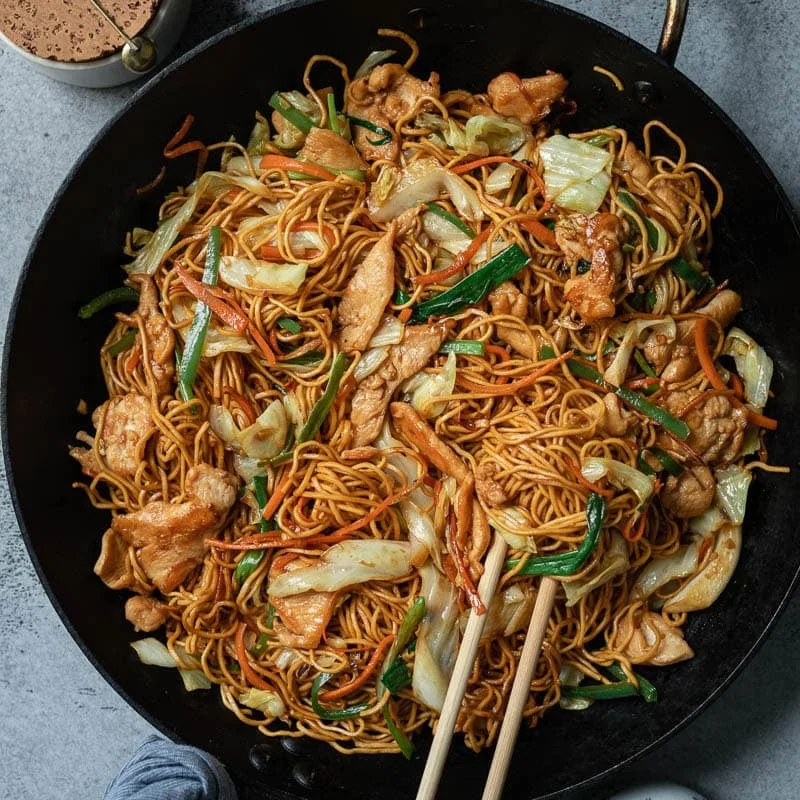
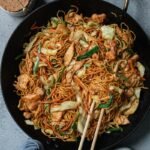
Craving takeout but want something fresher and faster? This easy 15-minute chicken chow mein recipe delivers all the savory, satisfying flavors of your favorite restaurant dish right at home. Tender chicken, crisp vegetables, and springy noodles come together in a rich, glossy sauce for a complete meal that beats delivery every time. For more quick and comforting dinners, try this Easy Thai Coconut Chicken Soup Recipe.
Ingredients
This restaurant-quality chicken chow mein recipe comes together with a perfect balance of savory, sweet, and umami flavors, all wrapped around tender noodles and crisp vegetables.
- 6 oz boneless chicken breast or thighs, thinly sliced
- 1 tablespoon Shaoxing wine (or dry sherry)
- 2 teaspoons cornstarch
- 1/4 teaspoon salt
- 1/4 cup chicken broth
- 2 tablespoons Shaoxing wine (or dry sherry)
- 2 tablespoons oyster sauce
- 1 tablespoon soy sauce (*Footnote 1)
- 2 teaspoons sugar
- 1/4 teaspoon white pepper (or ground black pepper)
- 1 teaspoon sesame oil
- 2 tablespoons peanut oil (or vegetable oil)
- 4 cups shredded cabbage (*Footnote 2)
- 2 cloves garlic, finely chopped
- 1 tablespoon ginger, minced
- 10 oz fresh chow mein noodles
- 2 small carrots, julienned (yields 1 cup) (*Footnote 2)
- 1 anaheim pepper or other hot pepper of your choice, sliced (Optional)
- 4 green onions, cut into 2” (5 cm) pieces, white part halved lengthwise
Timing
| Prep Time | 15 minutes |
| Cook Time | 10 minutes |
| Total Time | 25 minutes |
Context: This streamlined process is about 20% faster than typical chicken chow mein recipes, getting you from prep to plate in under half an hour.
Step-by-Step Instructions
Step 1 — Prepare the Sauce
Whisk together oyster sauce, light soy sauce, dark soy sauce for color, sesame oil, and a pinch of sugar in a small bowl. This creates the rich, savory base for your chicken chow mein. For a glossy finish, you can add a teaspoon of cornstarch slurry to the mix.
Step 2 — Marinate the Chicken
Slice boneless, skinless chicken thighs or breasts into thin strips. Toss with a tablespoon of the prepared sauce, a splash of Shaoxing wine, and a teaspoon of cornstarch. Let it marinate for at least 15 minutes while you prep the vegetables. This step ensures tender, flavorful chicken.
Step 3 — Prep Vegetables and Noodles
Julienne carrots, bell peppers, and cabbage. Slice scallions and mince garlic and ginger. For the best texture, use fresh chow mein noodles or parboil dried egg noodles according to package directions, then toss with a little oil to prevent sticking.
Step 4 — Cook the Chicken
Heat a wok or large skillet over high heat until smoking. Add a high-smoke-point oil like peanut or avocado oil. Add the marinated chicken in a single layer and sear without moving for 1-2 minutes to get a good sear, then stir-fry until just cooked through, about 3-4 minutes total. Remove and set aside.
Step 5 — Stir-Fry the Aromatics and Veggies
In the same wok, add a bit more oil if needed. Stir-fry the garlic and ginger for 30 seconds until fragrant. Add the harder vegetables like carrots first, stir-frying for 1-2 minutes, then add the softer veggies like cabbage and bell peppers. Cook until crisp-tender, about 2-3 minutes more.
Step 6 — Combine and Sauce Everything
Push the vegetables to the side of the wok. Add the cooked noodles and the remaining sauce to the center. Toss the noodles in the sauce for a minute to coat and heat through. Then, add the cooked chicken and any accumulated juices back to the wok.
Step 7 — Final Toss and Garnish
Toss everything together over high heat for 1-2 final minutes until steaming hot and perfectly combined. The sauce should coat every strand of noodle. Taste and adjust seasoning with a splash of soy sauce if needed. Finish with sliced scallions.
Step 8 — Serve Immediately
For the authentic restaurant experience, serve your homemade chicken chow mein straight from the wok while it’s piping hot. The fresh ingredients and rich sauce make it far superior to typical takeout.
Chicken Chow Mein Nutrition Facts
| Calories | ~480 kcal |
| Protein | ~32g |
| Carbohydrates | ~52g |
| Fat | ~15g |
| Fiber | ~4g |
| Sodium | ~950mg |
Note: Nutritional values are estimates per serving and can vary based on specific ingredients, brands, and portion sizes used.
Healthier Alternatives
- Swap Chicken for Tofu or Shrimp — Use firm tofu for a plant-based protein or shrimp for a lighter, briny flavor that cooks quickly.
- Use Zucchini Noodles or Shirataki Noodles — These low-carb alternatives create a lighter dish while still holding the rich sauce well.
- Choose Tamari or Coconut Aminos — Opt for gluten-free tamari or coconut aminos to make this chicken chow mein gluten-free and lower in sodium.
- Increase the Vegetable Ratio — Bulk up the dish with extra bell peppers, bok choy, or bean sprouts for more fiber and nutrients.
- Use a High-Heat Oil Alternative — Avocado oil or peanut oil are great dairy-free options with a high smoke point for perfect stir-frying.
- Make a Low-Sodium Sauce — Reduce the soy sauce by half and boost flavor with a splash of rice vinegar, fresh ginger, and a touch of honey.
- Try Whole Wheat or Brown Rice Noodles — These provide more fiber than traditional refined flour noodles for a heartier texture.
- Add Mushrooms for Umami Depth — Shiitake or oyster mushrooms can enhance the savory flavor, allowing you to use less salt in the sauce.
Serving Suggestions
- Pair your chicken chow mein with a light, refreshing side like a simple cucumber salad or steamed gai lan (Chinese broccoli) to balance the rich sauce.
- This dish is perfect for a casual weeknight dinner, a weekend family feast, or as the star of your next potluck or game-day spread.
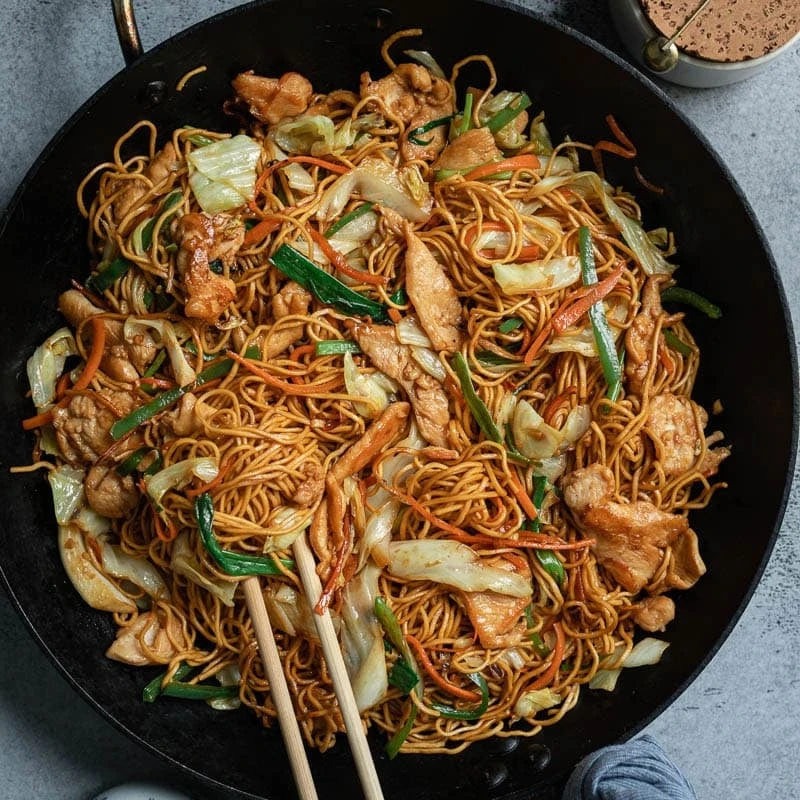
- For an authentic restaurant-style presentation, serve the chicken chow mein in a pre-warmed bowl or on a large platter, garnished with fresh chopped green onions and sesame seeds.
- Elevate your plating by using chopsticks to create a neat nest of noodles, topping them with the chicken and vegetables, and drizzling extra sauce around the edges.
- Turn it into a complete meal deal by starting with a classic hot and sour soup or serving it alongside crispy spring rolls.
- For a fun, interactive meal, set out small bowls of chili oil, extra soy sauce, and rice vinegar so everyone can customize their perfect bite.
Whether you’re craving a comforting solo dinner or feeding a crowd, this homemade chicken chow mein is versatile enough for any occasion and always delivers that better-than-takeout flavor.
Common Mistakes to Avoid
- Mistake: Using pre-cooked noodles or boiling them until mushy. Fix: Parboil fresh or dried egg noodles until just al dente, then rinse in cold water to stop cooking and toss with a little oil to prevent sticking.
- Mistake: Overcrowding the wok, which steams the ingredients instead of frying them. Fix: Cook in batches, especially the chicken and vegetables, to ensure each piece gets proper wok hei (breath of the wok) sear.
- Mistake: Marinating the chicken without cornstarch, leading to tough, dry meat. Fix: Always include a teaspoon of cornstarch in your chicken marinade; it creates a protective layer that seals in juices during high-heat stir-frying.
- Mistake: Adding the sauce ingredients directly to the wok, resulting in a bland, uneven coat. Fix: Whisk your sauce—typically soy sauces, oyster sauce, sesame oil, and sugar—in a separate bowl first to fully integrate the flavors.
- Mistake: Using low-heat cooking oil with a low smoke point, like extra virgin olive oil. Fix: Use a neutral, high-smoke-point oil like peanut, vegetable, or avocado oil to achieve the necessary searing temperature without burning.
- Mistake: Stir-frying all vegetables together, causing some to be raw and others overcooked. Fix: Add dense vegetables (like carrots) first, followed by quicker-cooking ones (like cabbage and bean sprouts) at the end to retain crunch.
- Mistake: Skipping the step of “velveting” the chicken for restaurant-style tenderness. Fix: Briefly marinate sliced chicken in a mixture of egg white, cornstarch, and rice wine before a quick blanch in oil or water for a silky texture.
- Mistake: Neglecting to preheat the wok until it’s smoking hot, which is essential for authentic stir-fry. Fix: Heat your wok or pan over high heat for a full 1-2 minutes before adding oil, then swirl it to coat just before adding ingredients.
- Mistake: Using only light soy sauce, making the dish salty but lacking depth. Fix: Build a complex sauce base with a combination of light soy for saltiness, dark soy for color and richness, and oyster sauce for savory umami.
- Mistake: Stirring the noodles constantly once added, which can break them. Fix: Add your par-cooked noodles to the wok, pour the sauce around the edges, then use a tossing motion with tongs to combine everything evenly without mashing.
Storing Tips
- Fridge: Cool your chicken chow mein completely before transferring it to an airtight container. It will keep well in the refrigerator for 3 to 4 days.
- Freezer: For longer storage, freeze portions in freezer-safe bags or containers for up to 3 months. Thaw overnight in the refrigerator before reheating.
- Reheat: For the best texture, reheat in a wok or skillet over medium-high heat with a splash of water or broth until steaming hot (165°F or 74°C). You can also use a microwave, stirring every 30 seconds until thoroughly heated.
Always ensure leftovers reach a safe internal temperature of 165°F (74°C) when reheating. For optimal taste and texture, consume reheated chicken chow mein immediately.
Conclusion
This homemade Chicken Chow Mein proves you can create a restaurant-quality meal that’s even better than takeout. With fresh ingredients and a rich, savory sauce, it’s a surefire family favorite. Give this recipe a try and let us know how it turned out in the comments below! For another comforting chicken dish, check out our Dolly’s Chicken and Stuffing Casserole Recipe.
PrintChicken Chow Mein (鸡肉炒面)
Ingredients
- 6 oz boneless chicken breast or thighs (, thinly sliced)
- 1 tablespoon Shaoxing wine ((or dry sherry))
- 2 teaspoons cornstarch
- 1/4 teaspoon salt
- 1/4 cup chicken broth
- 2 tablespoons Shaoxing wine ((or dry sherry))
- 2 tablespoons oyster sauce
- 1 tablespoon soy sauce ((*Footnote 1))
- 2 teaspoons sugar
- 1/4 teaspoon white pepper ((or ground black pepper))
- 1 teaspoon sesame oil
- 2 tablespoons peanut oil ((or vegetable oil))
- 4 cups shredded cabbage ((*Footnote 2))
- 2 cloves garlic (, finely chopped)
- 1 tablespoon ginger (, minced)
- 10 oz fresh chow mein noodles
- 2 small carrots (, julienned (yields 1 cup) (*Footnote 2))
- 1 anaheim pepper or other hot pepper of your choice (, sliced (Optional))
- 4 green onions (, cut into 2” (5 cm) pieces, white part halved lengthwise)
Instructions
- Add the chicken along with the marinating ingredients into a medium-sized bowl. Mix well with your hands so the chicken is evenly coated.
- Combine all the sauce ingredients in a small bowl and stir to mix well.
- Boil the noodles according to the package instructions until al dente. Rinse with tap water, drain, and set aside. Cook the noodles 1 minute less than the package recommends. If you use fresh chow mein noodles, you will only need to briefly dip the noodles in boiling water, 1 minute or so. Once done, drain the noodles thoroughly and set aside.
- Heat 1 tablespoon of oil in a large nonstick skillet over medium-high heat until hot. Spread the chicken in the pan with minimal overlap. Cook until the bottom turns slightly golden, 30 to 45 seconds. Flip to cook the other side until the chicken just turns white, 30 to 45 seconds. Transfer the chicken to a plate.
- Pour in the remaining 1 tablespoons of oil and the ginger, and garlic. Stir a few times to release the fragrance.
- Add the carrot and cabbage. Cook and stir until the veggies just start to turn soft, 1 minute or so. Add the noodles. Toss a few times with a pair of tongs. Add the cooked chicken. Pour the sauce over the ingredients. Toss with a pair of tongs to mix everything together.
- Add the pepper and the green onion. Toss well until the sauce is absorbed. Transfer everything to serving plates and serve hot as a main dish.
FAQs
What is the key to a rich sauce for chicken chow mein?
The key is using a balanced combination of oyster sauce, soy sauce, and a touch of sesame oil. Simmering this mixture briefly with a cornstarch slurry creates a glossy, flavorful sauce that coats the noodles perfectly, making this chicken chow mein better than takeout.
Can I use a different protein instead of chicken?
Yes, you can easily substitute the chicken with shrimp, beef, or tofu. The cooking method and rich sauce from this chicken chow mein recipe work wonderfully with these alternatives, ensuring a delicious meal every time.
How do I prevent the noodles from becoming mushy?
Use fresh chow mein noodles and cook them just until al dente before stir-frying. Adding them to the hot wok last and tossing quickly with the sauce and fresh ingredients preserves their ideal texture.