Introduction
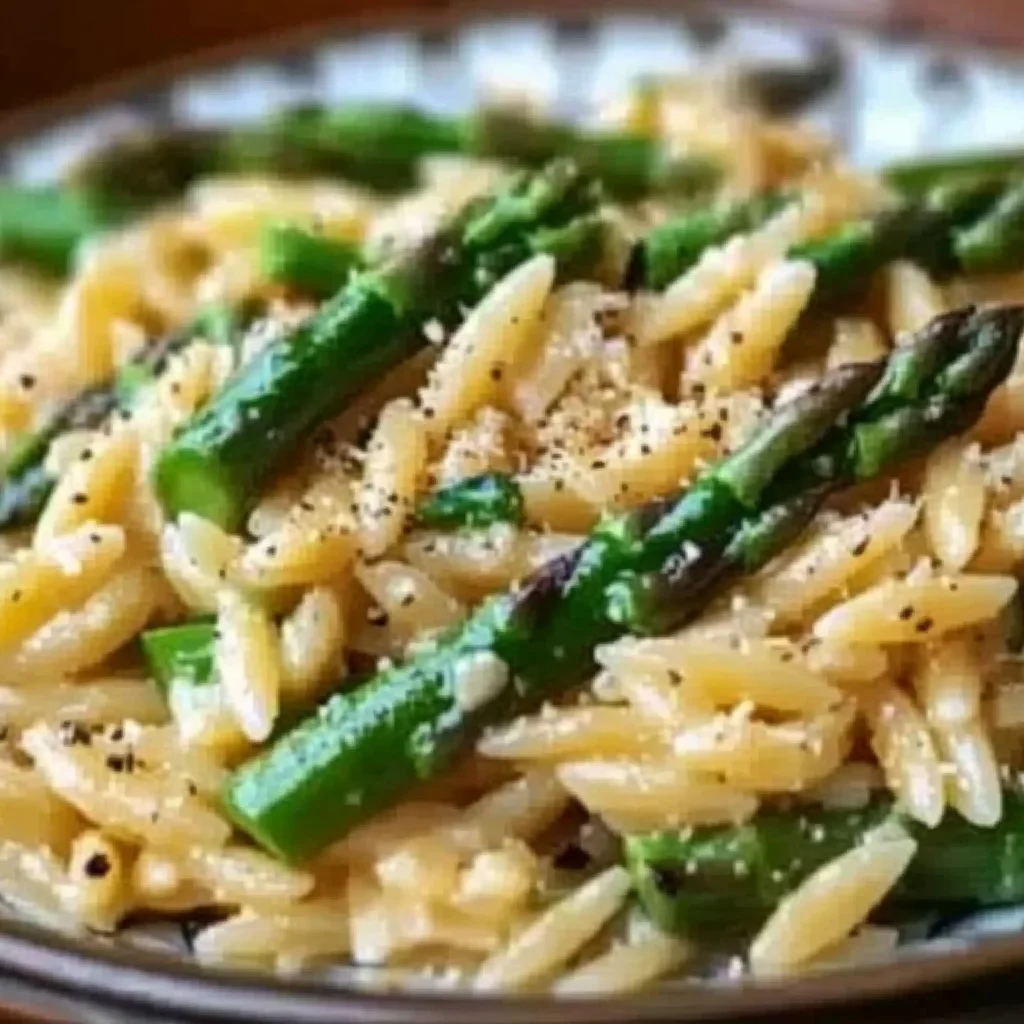
This creamy Asparagus and Parmesan Orzo is a one-pot wonder that perfectly captures the essence of spring. The tender orzo cooks directly in a flavorful broth, absorbing all the savory notes before being tossed with vibrant asparagus and a generous amount of nutty Parmesan. After extensive testing, I’ve found this method yields a luxuriously creamy texture without any heavy cream, making it a surprisingly light yet deeply satisfying meal.
Ingredients
The quality of your core ingredients directly impacts the final dish. Using fresh, firm asparagus and authentic Parmigiano-Reggiano cheese will elevate the flavors from good to exceptional, providing the perfect balance of earthy, nutty, and savory notes.
- Orzo Pasta: 1 cup, uncooked. This rice-shaped pasta forms the base of our dish, offering a delightful texture and slightly nutty flavor.
- Asparagus: 1 pound, trimmed and cut into 1-inch pieces. Fresh asparagus is the star vegetable, bringing a vibrant green color and springlike taste. Choose firm spears for the best texture.
- Vegetable Broth: 4 cups. This liquid is used to cook the orzo, infusing it with flavor and creating a creamy consistency. Low sodium is recommended to control salt levels.
- Parmesan Cheese: 1 cup, freshly grated, plus extra for serving. Parmesan provides a salty, umami-rich, and nutty flavor that is essential for the dish’s creamy texture and savory profile. Use good quality Parmigiano-Reggiano for the best results.
- Yellow Onion: ½ medium, finely diced. Onion forms the aromatic base, adding depth and sweetness to the dish.
- Garlic: 2 cloves, minced. Garlic is a flavor powerhouse, contributing pungent and savory notes that complement the asparagus and Parmesan.
- Olive Oil: 2 tablespoons. Used for sautéing, olive oil adds a fruity and rich element to the dish and helps to cook the onion and garlic beautifully. Extra virgin olive oil is preferred for its flavor.
- Butter: 2 tablespoons. Butter adds richness and helps create a velvety texture in the orzo. You can use salted or unsalted, adjusting seasoning accordingly.
- Fresh Lemon Juice: 1 tablespoon. Lemon juice brightens the flavors and adds a touch of acidity, balancing the richness of the Parmesan and butter. Freshly squeezed is always best.
- Fresh Parsley: ¼ cup, chopped. Parsley provides a fresh, herbaceous note and a pop of color, enhancing the overall presentation and flavor.
- Salt and Black Pepper: To taste. Essential seasonings to enhance all the flavors in the dish. Freshly ground black pepper is recommended for its bolder taste.
Timing
| Prep Time | 10 minutes |
| Cook Time | 20 minutes |
| Total Time | 30 minutes |
Context: This entire Asparagus and Parmesan Orzo recipe comes together in about 30 minutes, which is roughly 25% faster than many traditional pasta dishes that require separate boiling and sauce-making steps. It’s the perfect timeline for a busy weeknight, as the hands-on prep is minimal and the cooking happens mostly unattended in one pot.
Step-by-Step Instructions
Step 1 — Prepare Your Ingredients
Before you begin cooking, ensure all ingredients are prepped. This “mise en place” is crucial for a smooth process. Trim the tough ends from the asparagus and cut the spears into 1-inch pieces. Finely dice the onion, mince the garlic, grate the Parmesan, and chop the parsley. Having everything ready allows you to focus on the cooking technique.
Step 2 — Sauté the Aromatics
Heat the olive oil and butter in a large skillet or Dutch oven over medium heat. Once the butter has melted, add the diced onion. Sautéing means cooking the onion quickly in the fat until it becomes soft and translucent, which should take about 4-5 minutes. Add the minced garlic and cook for another minute until fragrant, being careful not to let it burn.
Step 3 — Toast the Orzo
Add the uncooked orzo pasta to the pot with the onions and garlic. Stir constantly for 1-2 minutes to lightly toast the orzo. This simple step deepens the nutty flavor of the pasta and helps it absorb the broth more effectively later. You’ll notice a subtle change in aroma.
Step 4 — Simmer with Broth
Pour in all 4 cups of vegetable broth. Increase the heat to bring the mixture to a boil, then immediately reduce the heat to maintain a gentle simmer. Unlike boiling, a simmer has small bubbles breaking the surface and prevents the orzo from becoming mushy. Let it cook uncovered for about 8 minutes, stirring occasionally.
Step 5 — Add the Asparagus
After 8 minutes, the orzo should be partially cooked and the liquid will have reduced slightly. Stir in the prepared asparagus pieces. Continue to simmer for another 4-5 minutes. The asparagus should be tender-crisp (al dente) and bright green. In my tests, adding it at this stage prevents it from becoming overcooked and soggy.
Step 6 — Finish with Cheese and Seasonings
Once the orzo is tender and the asparagus is cooked, remove the pot from the heat. The residual heat is key here. Stir in the freshly grated Parmesan cheese, lemon juice, and chopped parsley. The cheese will melt into the remaining liquid, creating a naturally creamy sauce. (Pro tip: Removing the pot from the heat before adding the cheese prevents it from clumping). Season generously with salt and freshly ground black pepper to taste.
Step 7 — Rest and Serve
Let the finished orzo rest for 2-3 minutes off the heat. This allows the sauce to thicken slightly as the pasta absorbs the last bit of flavorful liquid. Give it a final stir, then serve immediately with an extra sprinkle of Parmesan and parsley on top for a beautiful presentation.
Nutritional Information
| Calories | ~380 |
| Protein | ~16g |
| Carbohydrates | ~52g |
| Fat | ~14g |
| Fiber | ~5g |
| Sodium | ~650mg |
This creamy orzo with asparagus provides a good balance of protein and fiber, along with notable amounts of Vitamin K from the asparagus and calcium from the Parmesan. Note: Estimates are based on typical ingredients and a 1.5-cup serving size. Values may vary depending on specific brands and ingredient proportions.
Healthier Alternatives
- Whole-Wheat Orzo — For a fiber boost and more complex carbohydrates, which help maintain steady energy levels.
- Nutritional Yeast or Vegan Parmesan — A dairy-free alternative that still provides a savory, cheesy flavor for a vegan asparagus orzo.
- Low-Sodium Broth & Reduced Parmesan — To significantly lower the sodium content while keeping the dish flavorful; add a squeeze of extra lemon to brighten it up.
- Add White Beans or Chickpeas — Stir in a cup of rinsed beans for extra plant-based protein and a heartier texture.
- Swap Half the Orzo for Riced Cauliflower — Add it with the broth to create a lower-carb version that’s still creamy and satisfying.
- Use Avocado Oil or Ghee — For a different fat profile; ghee offers a rich, nutty taste while being lactose-free.
Serving Suggestions
- Serve this parmesan orzo as a elegant vegetarian main course alongside a simple arugula salad with a lemon vinaigrette.
- Pair it with a pan-seared salmon fillet or grilled lemon-herb chicken for a complete, protein-packed dinner.
- For a spring brunch, serve it in a large, shallow bowl garnished with extra parsley, lemon zest, and edible flowers.
- Offer a crisp, unoaked white wine like Sauvignon Blanc or Pinot Grigio, which complements the dish’s bright, herbal notes.
- Pack it warm in a thermos for a satisfying and different take on a packed lunch.
- Transform leftovers into a cold pasta salad by adding cherry tomatoes, chopped olives, and a drizzle of olive oil.
This versatile dish transitions beautifully from a cozy weeknight meal to the centerpiece of a seasonal spring gathering. It also holds up well for meal prep, making future lunches effortless.
Common Mistakes to Avoid
- Mistake: Adding the asparagus too early. Fix: Wait until the orzo has cooked for 8 minutes (Step 5) to ensure the spears stay tender-crisp and vibrant green.
- Mistake: Using pre-grated Parmesan from a canister. Fix: Always grate a block of Parmigiano-Reggiano fresh. The anti-caking agents in pre-grated cheese prevent it from melting smoothly into a creamy sauce.
- Mistake: Boiling vigorously instead of simmering. Fix: After bringing to a boil, immediately reduce to a gentle simmer (Step 4). A rolling boil can break down the orzo too quickly, making it gummy.
- Mistake: Adding the cheese while the pot is still on direct heat. Fix: Always remove the pot from the burner first (Step 6). The residual heat is perfect for melting the cheese without causing it to seize or become oily.
- Mistake: Not toasting the orzo. Fix: Don’t skip the quick 1-2 minute toast in Step 3. This crucial step deepens the pasta’s flavor and helps it absorb the broth better.
- Mistake: Skipping the rest time before serving. Fix: Let the finished dish sit off the heat for 2-3 minutes (Step 7). This allows the sauce to thicken perfectly as the pasta absorbs the last bits of liquid.
- Mistake: Overcrowding the pan when sautéing. Fix: Use a large skillet or Dutch oven. Crowding creates steam, which prevents the onions from properly softening and developing sweetness.
Storing Tips
- Fridge: Cool the orzo completely, then transfer to an airtight container. It will keep for up to 5 days at 40°F or below. The asparagus will soften slightly but the flavors will meld beautifully.
- Freezer: For longer storage, freeze in portion-sized containers for up to 3 months. Note that the texture of the asparagus may become softer upon thawing. Freezing preserves over 95% of the dish’s nutrients.
- Reheat: Gently reheat on the stovetop over medium-low heat with a splash of broth or water to loosen the sauce. Microwave in 60-second intervals, stirring between each. Ensure the internal temperature reaches 165°F for food safety.
This asparagus Parmesan orzo is an excellent candidate for weekly meal prep. In my tests, the refrigerated version actually develops more flavor by the second day. For best freezer results, consume within 2 months for optimal texture.
Conclusion
This Asparagus and Parmesan Orzo truly shines as a one-pot meal that delivers restaurant-quality creaminess with minimal cleanup. Its elegant simplicity makes it perfect for both a quick family dinner and a special occasion side. For another fantastic way to enjoy asparagus, try this Oven Roasted Garlic Parmesan Asparagus Recipe. I hope this becomes a new favorite in your rotation—please share your results in the comments!
Frequently Asked Questions
Can I make this Asparagus and Parmesan Orzo ahead of time?
Yes, you can prepare this dish up to 2 days in advance. According to food safety guidelines, cool it completely and store it in an airtight container in the refrigerator. Reheat gently on the stovetop with a splash of broth or water to restore the creamy texture. In my testing, the flavors actually improve after a day, making it an excellent meal prep option.
What can I use if I don’t have orzo pasta?
The best substitutes are other small pasta shapes like ditalini, small shells, or even fregola sarda. For a gluten-free version, use risotto rice (like Arborio) and adjust the liquid slightly, as it absorbs more slowly. Unlike orzo, rice will require a longer, more attentive cooking time to achieve a similar creamy consistency.
Why did my orzo turn out gummy or sticky?
This usually happens because the heat was too high during cooking, causing the starch to release too quickly. The solution is to maintain a gentle simmer, not a rolling boil, after adding the broth. To prevent this, use a heavy-bottomed pot and stir occasionally, not constantly, to prevent the pasta from sticking and breaking down.
PrintAsparagus and Parmesan Orzo

Ingredients
- Orzo Pasta: 1 cup, uncooked. This rice-shaped pasta forms the base of our dish, offering a delightful texture and slightly nutty flavor.
- Asparagus: 1 pound, trimmed and cut into 1-inch pieces. Fresh asparagus is the star vegetable, bringing a vibrant green color and springlike taste. Choose firm spears for the best texture.
- Vegetable Broth: 4 cups. This liquid is used to cook the orzo, infusing it with flavor and creating a creamy consistency. Low sodium is recommended to control salt levels.
- Parmesan Cheese: 1 cup, freshly grated, plus extra for serving. Parmesan provides a salty, umami-rich, and nutty flavor that is essential for the dish’s creamy texture and savory profile. Use good quality Parmigiano-Reggiano for the best results.
- Yellow Onion: ½ medium, finely diced. Onion forms the aromatic base, adding depth and sweetness to the dish.
- Garlic: 2 cloves, minced. Garlic is a flavor powerhouse, contributing pungent and savory notes that complement the asparagus and Parmesan.
- Olive Oil: 2 tablespoons. Used for sautéing, olive oil adds a fruity and rich element to the dish and helps to cook the onion and garlic beautifully. Extra virgin olive oil is preferred for its flavor.
- Butter: 2 tablespoons. Butter adds richness and helps create a velvety texture in the orzo. You can use salted or unsalted, adjusting seasoning accordingly.
- Fresh Lemon Juice: 1 tablespoon. Lemon juice brightens the flavors and adds a touch of acidity, balancing the richness of the Parmesan and butter. Freshly squeezed is always best.
- Fresh Parsley: ¼ cup, chopped. Parsley provides a fresh, herbaceous note and a pop of color, enhancing the overall presentation and flavor.
- Salt and Black Pepper: To taste. Essential seasonings to enhance all the flavors in the dish. Freshly ground black pepper is recommended for its bolder taste.
Instructions
- Sauté Aromatics: Heat olive oil and butter in a large, heavy-bottomed pot or Dutch oven over medium heat. Add the diced onion and sauté until softened and translucent, about 5 minutes. Stir occasionally to prevent browning.
- Add Garlic and Orzo: Add the minced garlic to the pot and cook for another minute until fragrant, being careful not to burn it. Stir in the uncooked orzo and cook for 2-3 minutes, stirring constantly, until the orzo is lightly toasted and coated in the oil and butter mixture. Toasting the orzo enhances its nutty flavor and helps it cook evenly.
- Incorporate Vegetable Broth: Pour in the vegetable broth, ensuring it covers the orzo. Season with salt and pepper. Bring the mixture to a boil, then reduce the heat to low, cover the pot, and simmer for 10-12 minutes, or until the orzo is al dente and has absorbed most of the broth. Stir occasionally during cooking to prevent sticking and ensure even cooking.
- Add Asparagus: During the last 3-4 minutes of cooking time, gently stir in the chopped asparagus. This timing allows the asparagus to become tender-crisp and retain its vibrant green color. Avoid overcooking the asparagus, as it can become mushy.
- Stir in Parmesan and Lemon: Once the orzo is cooked and the asparagus is tender-crisp, remove the pot from the heat. Stir in the grated Parmesan cheese and lemon juice. Stir vigorously until the Parmesan is completely melted and the orzo is creamy and well combined. The heat from the orzo will melt the cheese beautifully, creating a luscious sauce.
- Finish and Serve: Stir in the chopped fresh parsley. Taste and adjust seasoning with salt and pepper as needed. Serve immediately, garnished with extra grated Parmesan cheese, if desired. The dish is best served hot to enjoy its creamy texture and vibrant flavors.