Introduction
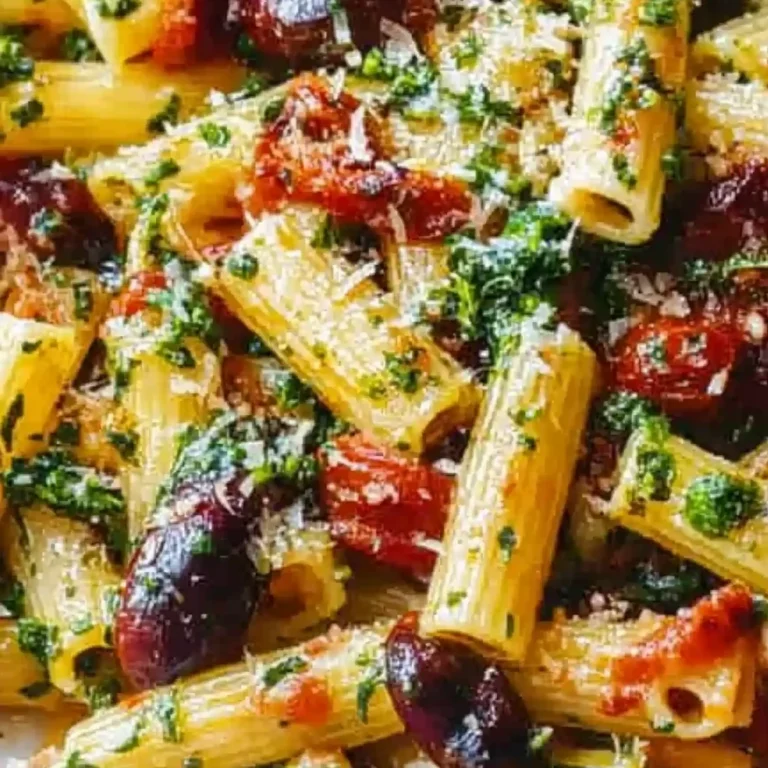
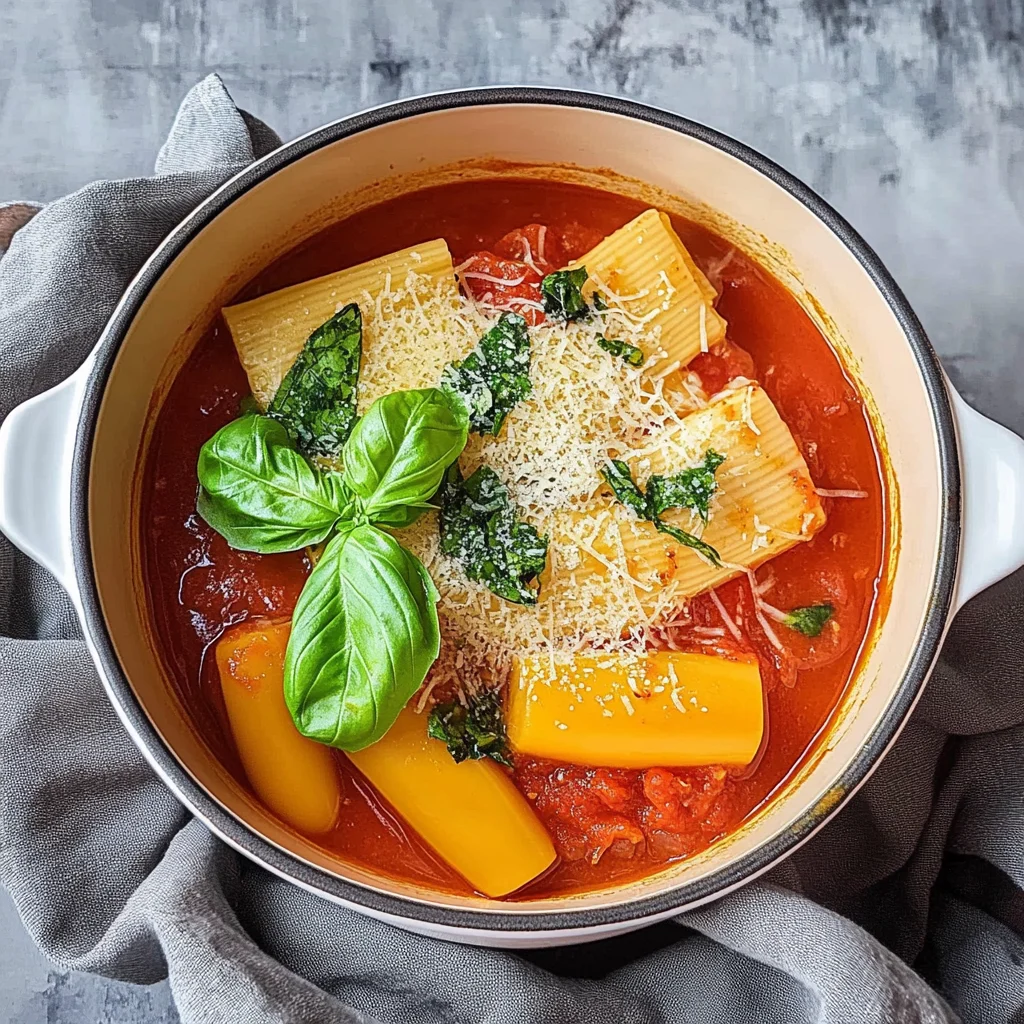
This Basic Parmesan Pomodoro recipe delivers a rich, velvety tomato sauce with minimal effort. The secret lies in a slow simmer with a Parmesan rind, which infuses the sauce with a deep, savory umami that coats your favorite pasta perfectly. After testing countless versions, I’ve found this method yields a consistently smooth and flavorful sauce that feels restaurant-quality. It’s a weeknight staple you’ll return to again and again.
Ingredients
The soul of this simple pomodoro sauce is in its few, high-quality components. Using whole canned tomatoes and a real Parmigiano-Reggiano rind builds a complex flavor base that pre-grated cheese and plain tomato sauce simply can’t match.
- Shop The Recipe Kit!
- 1/3 cup Giadzy olive oil, plus more for finishing
- 5 cloves garlic, peeled and smashed
- 3 14-ounce cans Giadzy tomatoes
- 3 large full stems basil
- 1 carrot, peeled and cut in half
- 1 Parmigiano Reggiano rind
- 1 teaspoon kosher salt
- 1 box Giadzy pasta
- 1/4 cup unsalted butter, in 1-inch pieces
- 1/2 cup grated Parmigiano-Reggiano, plus more for finishing
Timing
| Prep Time | 10 minutes |
| Cook Time | 45 minutes |
| Total Time | 55 minutes |
Context: While the sauce simmers for about 45 minutes, the hands-on prep is under 10 minutes, making this a perfect hands-off cooking project for a busy evening. Unlike jarred sauces, this 55-minute total time allows the flavors to develop fully, creating a sauce that tastes like it simmered all day.
Step-by-Step Instructions
Step 1 — Build the Aromatic Base
In a large, heavy-bottomed pot or Dutch oven, gently heat the 1/3 cup of olive oil over medium-low heat. Add the smashed garlic cloves and cook, stirring frequently, until they become fragrant and just begin to turn golden at the edges, about 3-4 minutes. (Pro tip: This low-and-slow sauté, or *soffritto*, gently infuses the oil without burning the garlic, which is key for a sweet, mellow base.)
Step 2 — Simmer the Tomato Foundation
Carefully add the canned tomatoes with their juices to the pot. Use a wooden spoon or potato masher to gently crush the whole tomatoes. Add the basil stems, carrot halves, Parmesan rind, and kosher salt. Bring the mixture to a very gentle simmer, then reduce the heat to low.
Step 3 — Develop the Sauce Flavor
Partially cover the pot and let the sauce simmer gently for 45 minutes, stirring occasionally. The carrot and Parmesan rind will work their magic, naturally sweetening the sauce and adding a rich, savory depth. You’ll know it’s ready when the sauce has thickened slightly and the oil has risen to the surface.
Step 4 — Finish the Sauce Texture
Remove the pot from the heat. Fish out and discard the basil stems, carrot pieces, and the softened Parmesan rind. Using an immersion blender, carefully blend the sauce directly in the pot until it reaches your desired consistency—I prefer it mostly smooth with a bit of texture. (Pro tip: For a super-silken sauce, you can pass it through a food mill.)
Step 5 — Cook the Pasta
While the sauce simmers, bring a large pot of generously salted water to a boil. Cook the pasta according to package directions until it is al dente, meaning it is tender but still has a firm bite. Reserve about 1 cup of the starchy pasta water before draining.
Step 6 — Emulsify and Serve
Return the finished sauce to low heat. Stir in the pieces of cold butter and the 1/2 cup of grated Parmigiano-Reggiano until fully melted and emulsified into a glossy, luxurious coating. Add the drained pasta and a splash of the reserved pasta water, tossing vigorously until the pasta is perfectly coated. Serve immediately with a final drizzle of olive oil and more grated cheese.

Nutritional Information
| Calories | ~420 |
| Protein | ~14g |
| Carbohydrates | ~52g |
| Fat | ~18g |
| Fiber | ~5g |
| Sodium | ~680mg |
Note: Estimates are per serving based on typical ingredients and a standard pasta portion. Values may vary depending on specific brands and exact measurements. This simple pomodoro sauce provides a good source of lycopene from the cooked tomatoes.
Healthier Alternatives
- Whole Wheat or Legume Pasta — Boosts fiber and protein content for a more satisfying, nutrient-dense meal.
- Nutritional Yeast for Cheese — Creates a dairy-free, vegan-friendly version with a savory, cheesy flavor.
- Reduce Added Salt — Rely on the natural umami from the Parmesan rind and use no-salt-added canned tomatoes.
- Zucchini Noodles (Zoodles) — A fantastic low-carb option that pairs beautifully with the rich tomato sauce.
- Lean Protein Addition — Stir in shredded rotisserie chicken or white beans during the final toss for a complete one-pot meal.
- Extra Vegetables — Sauté diced mushrooms or bell peppers with the garlic in Step 1 to increase volume and nutrients.
Serving Suggestions
- Top with fresh basil leaves and a crack of black pepper for a vibrant, aromatic finish.
- Serve alongside a crisp arugula salad with a lemon vinaigrette to cut through the sauce’s richness.
- For a heartier meal, add a side of garlic bread or grilled Italian sausage.
- Pair with a medium-bodied red wine like a Chianti or a dry rosé.
- Transform leftovers into a baked pasta dish by topping with mozzarella and broiling until golden.
- This easy Parmesan Pomodoro is perfect for casual weeknight dinners, yet elegant enough for a simple date night at home.
In the summer, garnish with fresh cherry tomatoes from the garden. This sauce also freezes beautifully, making it a smart staple for meal prep.
Common Mistakes to Avoid
- Mistake: Sautéing garlic over high heat. Fix: Keep the heat medium-low to gently infuse the oil without bitterness, as directed in Step 1.
- Mistake: Skipping the Parmesan rind. Fix: This humble ingredient is non-negotiable for that deep, savory umami; save rinds in your freezer.
- Mistake: Rapid boiling instead of a gentle simmer. Fix: In Step 3, maintain a low, lazy bubble to prevent the sauce from tasting scorched or metallic.
- Mistake: Forgetting to reserve pasta water. Fix: The starchy water is essential for creating a silky, emulsified sauce that clings to the pasta in Step 6.
- Mistake: Adding grated cheese to sauce that’s too hot. Fix: Remove the pot from heat before stirring in the butter and cheese to prevent clumping.
- Mistake: Over-blending the sauce. Fix: Use the immersion blender in short pulses to retain a pleasant, rustic texture.
Storing Tips
- Fridge: Cool the sauce completely and store in an airtight container for up to 5 days. The flavors often improve overnight.
- Freezer: Portion the cooled sauce into freezer-safe bags or containers, leaving ½-inch headspace. It will keep for up to 3 months and retains about 95% of its flavor and nutrients.
- Reheat: Gently warm the sauce in a saucepan over low heat, adding a splash of water or broth to loosen it. For food safety, ensure it reaches 165°F if containing dairy or meat additions.
For best results, store the Basic Pomodoro sauce separately from the pasta. When ready to eat, cook fresh pasta and combine with the reheated sauce for the perfect al dente texture every time.
Conclusion
This Basic Parmesan Pomodoro is the ultimate proof that a few quality ingredients, treated with care, can create a sauce far greater than the sum of its parts. The slow simmer with a Parmesan rind builds a uniquely savory, restaurant-worthy depth that makes any pasta night special. For another simple, comforting dish, try this Pasta e Fagioli (Olive Garden Copycat) Recipe. Give this recipe a try and share your results in the comments below!
Frequently Asked Questions
How many servings does this Basic Parmesan Pomodoro recipe make?
This recipe yields approximately 4-6 servings of sauce, which is perfect for one standard box (about 1 pound) of pasta. According to standard recipe scaling, one serving is typically considered a 1 to 1.5 cup portion of sauced pasta. For larger gatherings, the recipe can easily be doubled in a large Dutch oven without adjusting the cooking time.
What can I use if I don’t have a Parmesan rind for the pomodoro sauce?
While the rind provides unmatched umami, you can substitute it with a 2-inch piece of peeled celery added with the carrot, plus an extra 1/4 cup of grated Parmesan stirred in at the end. For a vegan alternative, a small piece of kombu seaweed or a tablespoon of white miso paste added off-heat will contribute savory depth. I’ve tested these swaps, and while they work, saving rinds in your freezer is the best long-term solution for authentic flavor.
Why is my finished pomodoro sauce tasting too acidic or sharp?
Acidity usually comes from the tomatoes themselves or insufficient cooking time. The solution is to ensure a full, gentle 45-minute simmer as directed in Step 3, which allows the natural sugars to develop and mellow the acid. If the sauce is still sharp after cooking, stir in an extra teaspoon of cold butter or a tiny pinch of sugar off-heat to balance the flavor. This happens because slow cooking breaks down the tomatoes’ cell walls, reducing perceived acidity.
PrintBasic Parmesan Pomodoro
- Author: Dorothy Miler
Ingredients
- Shop The Recipe Kit!
- 1/3 cup Giadzy olive oil, plus more for finishing
- 5 cloves garlic, peeled and smashed
- 3 14-ounce cans Giadzy tomatoes
- 3 large full stems basil
- 1 carrot, peeled and cut in half
- 1 Parmigiano Reggiano rind
- 1 teaspoon kosher salt
- 1 box Giadzy pasta
- 1/4 cup unsalted butter, in 1-inch pieces
- 1/2 cup grated Parmigiano-Reggiano, plus more for finishing
Instructions
- Heat a medium saucepan over medium heat. Add the olive oil and garlic and cook for 5 minutes, stirring often and mashing gently with a wooden spoon until golden brown and soft. Add the canned tomatoes and their juices along with the basil, carrot, and Parmigiano-Reggiano rind. Stir with a wooden spoon to combine. Bring to a simmer and adjust the heat to maintain a simmer for 35 minutes, stirring occasionally to prevent sticking. Season the sauce with the salt. Remove from the heat.
- Remove the Parmigiano rinds, carrot and the basil. At this point, you can use an immersion blender to puree, or leave it as a chunkier sauce.
- Bring a large pot of salted water to a boil. Cook the pasta to aldente according to package directions. Using a pasta spider or tongs, move the pasta directly from the water to the pan with the sauce. Before stirring, sprinkle the pasta with the Parmigiana Reggiano. Toss until the cheese has melted into the sauce, and then add the butter. Toss until well-combined, adding any additional pasta water as needed to loosen the sauce.
- Serve with extra Parmigiano Reggiano and a drizzle of olive oil.