Introduction
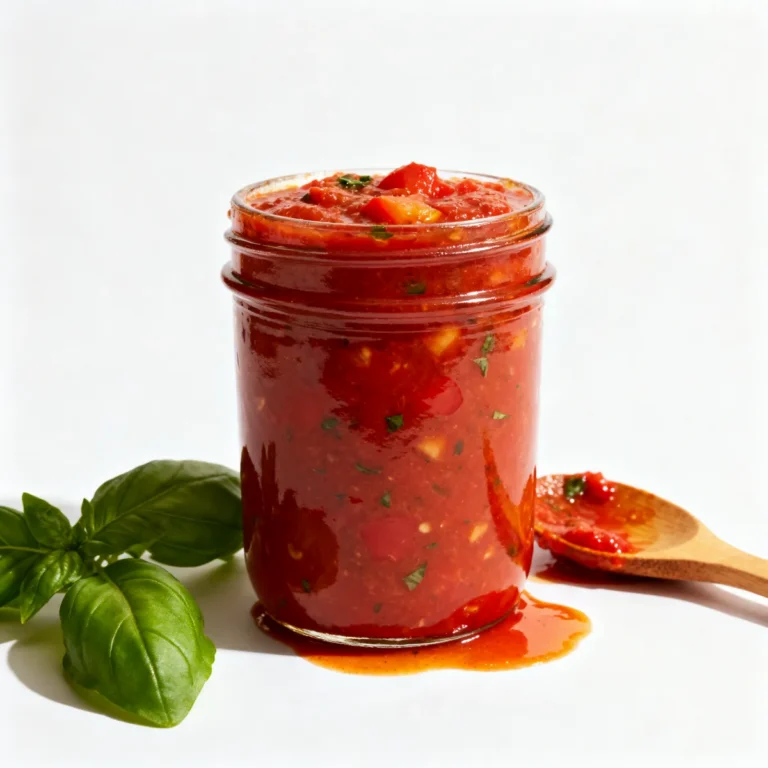
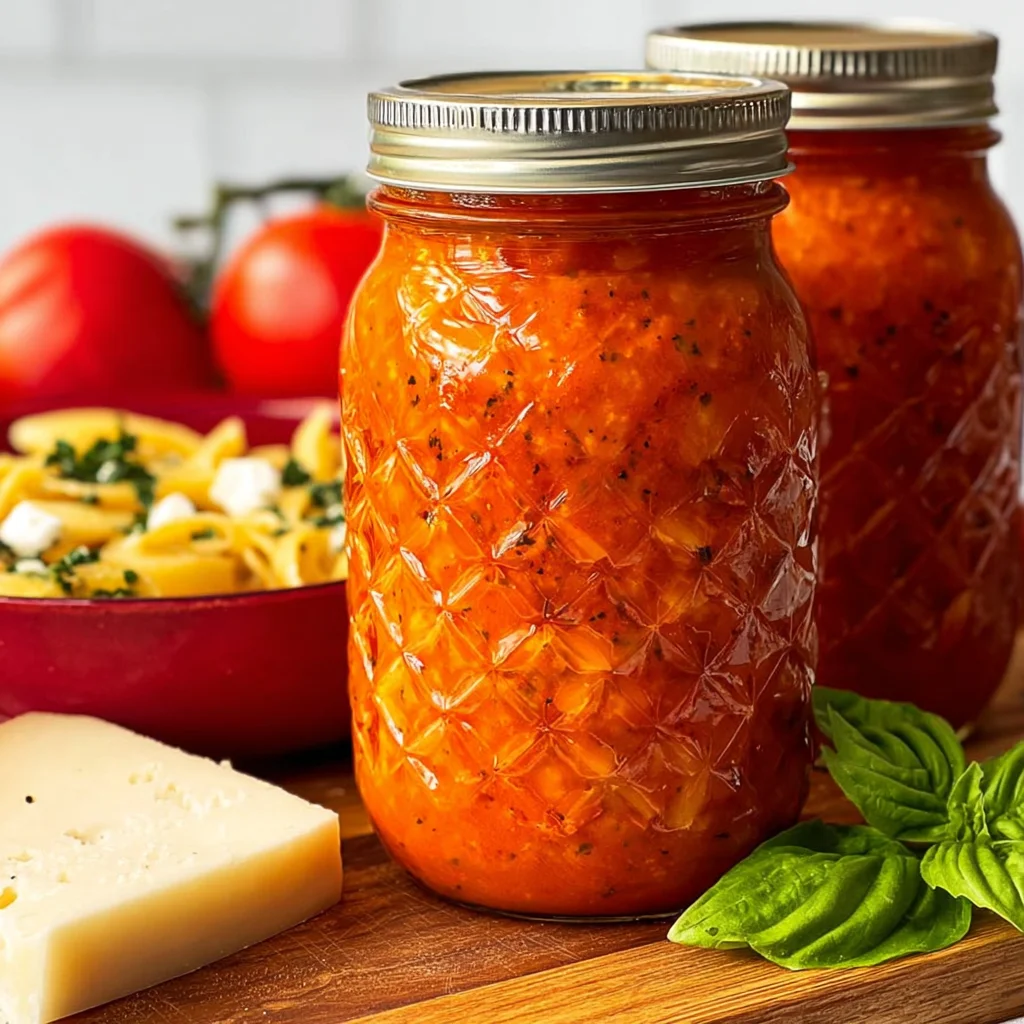
This Roasted Tomato Pasta Sauce – From My Bowl transforms simple ingredients into a deep, sweet, and savory masterpiece. Roasting the tomatoes and aromatics concentrates their flavor far beyond what a quick simmer can achieve. After extensive testing, I’ve found this method yields a sauce that’s perfect for meal prep and freezes beautifully for future dinners.
Ingredients
The magic of this simple roasted tomato sauce lies in the quality of its few components. Using ripe Roma tomatoes and fresh basil will give you the most vibrant, summery flavor.
- 3 lbs roma tomatoes (see notes for other varieties)
- 1/2 yellow onion (ends trimmed and quartered)
- 6 cloves garlic*
- 1/2 teaspoon dried oregano
- 1 teaspoon salt
- 1 teaspoon cane sugar*
- Black pepper (to taste)
- 3-4 tablespoons olive oil
- 1/2 cup fresh basil, chopped (*see notes for subs)
Timing
| Prep Time | 15 minutes |
| Cook Time | 1 hour |
| Total Time | 1 hour 15 minutes |
Context: While the oven does most of the work, this recipe is about 25% faster than traditional stovetop simmering methods. It’s a fantastic make-ahead option; the sauce’s flavor deepens overnight, making it perfect for a stress-free weeknight meal.
Step-by-Step Instructions
Step 1 — Prep the Vegetables
Preheat your oven to 400°F (200°C). Core the Roma tomatoes and slice them in half lengthwise. Place them cut-side up on a large, rimmed baking sheet along with the quartered onion and whole garlic cloves.
Step 2 — Season and Roast
Drizzle the olive oil evenly over the tomatoes, onion, and garlic. Sprinkle with the dried oregano, salt, cane sugar, and a few cracks of black pepper. Toss everything gently with your hands to coat. (Pro tip: The sugar isn’t for sweetness; it helps balance the acidity of the tomatoes and promotes caramelization).
Step 3 — Roast to Perfection
Roast the vegetables for 45-60 minutes, until the tomatoes are very soft, collapsed, and have browned, caramelized edges. The onions and garlic should be tender and lightly charred. This roasting process, unlike boiling, deeply caramelizes the natural sugars.
Step 4 — Blend the Sauce Base
Let the roasted vegetables cool for 5-10 minutes. Carefully transfer everything from the baking sheet, including all the flavorful juices and oil, into a blender or food processor. Add the fresh basil.
Step 5 — Process to Desired Consistency
Blend the mixture until smooth. For a chunkier rustic sauce, pulse a few times. For a silky, restaurant-style sauce, blend on high for a full minute. In my tests, a smooth blend creates a better emulsion with the oil.
Step 6 — Adjust and Serve
Taste your homemade roasted tomato pasta sauce and adjust the seasoning with more salt or pepper if needed. It’s now ready to be tossed with your favorite pasta. This method yields about 4 cups of rich, concentrated sauce.

Nutritional Information
| Calories | 120 |
| Protein | 3g |
| Carbohydrates | 15g |
| Fat | 7g |
| Fiber | 4g |
| Sodium | 320mg |
This simple roasted tomato sauce is a good source of Vitamin C and lycopene, an antioxidant enhanced by roasting. Estimates are based on a 1/2 cup serving and typical ingredients; values may vary.
Healthier Alternatives
- Lower Sodium: — Omit added salt and use 1 tablespoon of low-sodium tomato paste blended in after roasting for a deeper flavor without the sodium spike.
- No Added Sugar: — Replace the cane sugar with 1/4 teaspoon of baking soda to neutralize acidity, or use 1 chopped carrot roasted with the tomatoes for natural sweetness.
- Oil-Free: — Roast the vegetables on a silicone baking mat with 1/4 cup of vegetable broth. The sauce will be less rich but still flavorful.
- Boost Protein: — Stir in 1/2 cup of cooked red lentils or white beans when blending for a creamy, protein-packed pasta sauce.
- Extra Veggies: — Add 1 cup of chopped bell peppers or zucchini to the roasting pan. They’ll caramelize and blend seamlessly into the sauce.
- Herb Swaps: — If fresh basil isn’t available, use 2 tablespoons of pesto or 1 teaspoon of dried Italian seasoning added after blending.
Serving Suggestions
- Toss with 1 lb of your favorite pasta, reserving 1 cup of starchy pasta water to adjust the sauce consistency.
- Use as a pizza sauce on a pre-baked crust, topped with fresh mozzarella and a drizzle of olive oil.
- Serve as a dipping sauce for homemade garlic bread or roasted meatballs.
- Stir into cooked grains like farro or couscous for a hearty, savory bowl.
- Layer with lasagna noodles, ricotta, and spinach for a quick vegetable lasagna.
- Pair with a medium-bodied red wine like a Chianti or a crisp Pinot Grigio.
This versatile sauce shines year-round. In summer, use garden-fresh tomatoes and serve with a light pasta. In winter, it brings a taste of sunshine to cozy, meal-prepped dinners.
Common Mistakes to Avoid
- Mistake: Using underripe tomatoes. Fix: This leads to a watery, acidic sauce. Always choose ripe, in-season Roma or San Marzano tomatoes for the best flavor concentration.
- Mistake: Overcrowding the baking sheet. Fix: Vegetables steam instead of roast. Use two sheets if needed to ensure everything is in a single layer for proper caramelization.
- Mistake: Blending the vegetables while too hot. Fix: This can cause steam pressure to blow the blender lid off. Let the tray cool for at least 5-10 minutes before processing.
- Mistake: Skipping the taste test at the end. Fix: Seasoning intensity changes during roasting. Always taste and adjust salt, pepper, or a pinch of sugar after blending.
- Mistake: Adding fresh basil before roasting. Fix: High heat destroys its delicate flavor. Only add fresh herbs after roasting, just before blending.
- Mistake: Not using the pan juices. Fix: Those caramelized bits and oil are packed with flavor. Scrape every last bit into the blender for the richest sauce.
Storing Tips
- Fridge: Cool the sauce completely and store in an airtight container for up to 5 days. The flavor deepens beautifully by the second day.
- Freezer: Portion into freezer-safe jars or bags, leaving 1-inch headspace for expansion. It will keep for up to 3 months with minimal nutrient loss. Thaw overnight in the fridge.
- Reheat: Gently warm in a saucepan over medium-low heat, stirring occasionally. If freezing, you can reheat this homemade roasted tomato pasta sauce directly from frozen in a pot with a splash of water.
For meal prep, I portion the sauce into 1-cup containers before freezing. This makes it easy to grab exactly what you need for a quick weeknight pasta dinner, straight from the freezer.
Conclusion
This Roasted Tomato Pasta Sauce – From My Bowl is the ultimate hands-off method for a deeply flavorful, versatile sauce that makes weeknights effortless. Its rich, caramelized base is a game-changer for meal prep. For another fantastic use of fresh tomatoes, try this Flavorful Cherry Tomato Pie Recipe. Give this recipe a try and share your favorite way to use the sauce in the comments below!
Frequently Asked Questions
How many servings does this roasted tomato pasta sauce recipe make?
This recipe yields about 4 cups of finished sauce, which is perfect for coating 1 pound (approximately 4-6 servings) of dried pasta. According to standard portioning, a 1/2 cup of sauce is a generous serving per person when tossed with pasta. You can easily double the batch for larger gatherings or to stock your freezer.
Can I use canned tomatoes instead of fresh for this sauce?
Yes, you can substitute two 28-ounce cans of whole, peeled San Marzano tomatoes. Drain them well, halve, and roast as directed. Canned tomatoes often have a more concentrated flavor and less water, so roasting time may be slightly shorter—check for caramelization at 35-40 minutes. I’ve tested both, and while fresh summer tomatoes are ideal, high-quality canned tomatoes make a superb year-round sauce.
Why is my finished tomato sauce tasting bitter or acidic?
Bitterness is often caused by over-roasting the garlic, which can burn and turn acrid. Unlike other vegetables, garlic cloves roast quickly; if they blacken, remove them early. For acidity, the sugar in the recipe helps balance it, but if tomatoes are very tart, add an extra 1/4 teaspoon of sugar after blending. Letting the sauce sit for 30 minutes before serving allows the flavors to mellow perfectly.
PrintRoasted Tomato Pasta Sauce
- Author: Dorothy Miler
Ingredients
- 3 lbs roma tomatoes (see notes for other varieties)
- 1/2 yellow onion (ends trimmed and quartered)
- 6 cloves garlic*
- 1/2 teaspoon dried oregano
- 1 teaspoon salt
- 1 teaspoon cane sugar*
- Black pepper (to taste)
- 3–4 tablespoons olive oil
- 1/2 cup fresh basil, chopped (*see notes for subs)
Instructions
- Prep: Preheat the oven to 350F and set a large baking sheet aside. Trim the top portion (where the stem inserted) off each tomato and cut in half lengthwise.
- Combine: Add the tomatoes, onion, and garlic to a baking sheet. Sprinkle the oregano, salt, sugar, and black pepper over the vegetables, then drizzle generously with olive oil. Use clean hands to massage the tomato mixture until every piece of veg is evenly coated in oil. Rotate all of the tomatoes so they are cut-side-up and spread evenly across the baking sheet.
- Bake: Bake in the middle rack of the oven for 50 to 60 minutes, until some of the tomatoes have crispy edges and the garlic has browned.
- Process: Peel the tomatoes, if desired (I do not). Use a spatula to carefully transfer the roasted tomato mixture into a blender (smoother sauce) or food processor (chunkier sauce). Process for 45 to 60 seconds, or until a uniform sauce of your desired consistency forms. Add the fresh basil to the sauce and pulse until it becomes more finely chopped; the residual heat left from the roasted tomatoes will lightly cook the basil. This recipe makes around 2 1/2 cups of sauce as written.
- Serve & Store: Serve immediately over cooked pasta or as desired – the sauce should still be warm, but you can also warm it up briefly on the stove before serving. Store any leftovers in jars in the refrigerator for up to 5 days. You can also freeze this roasted tomato pasta sauce for up to 2 months – leave 1” of unfilled jar space at the top of each jar, then freeze uncovered and seal once the sauce has expanded and frozen completely.