Introduction
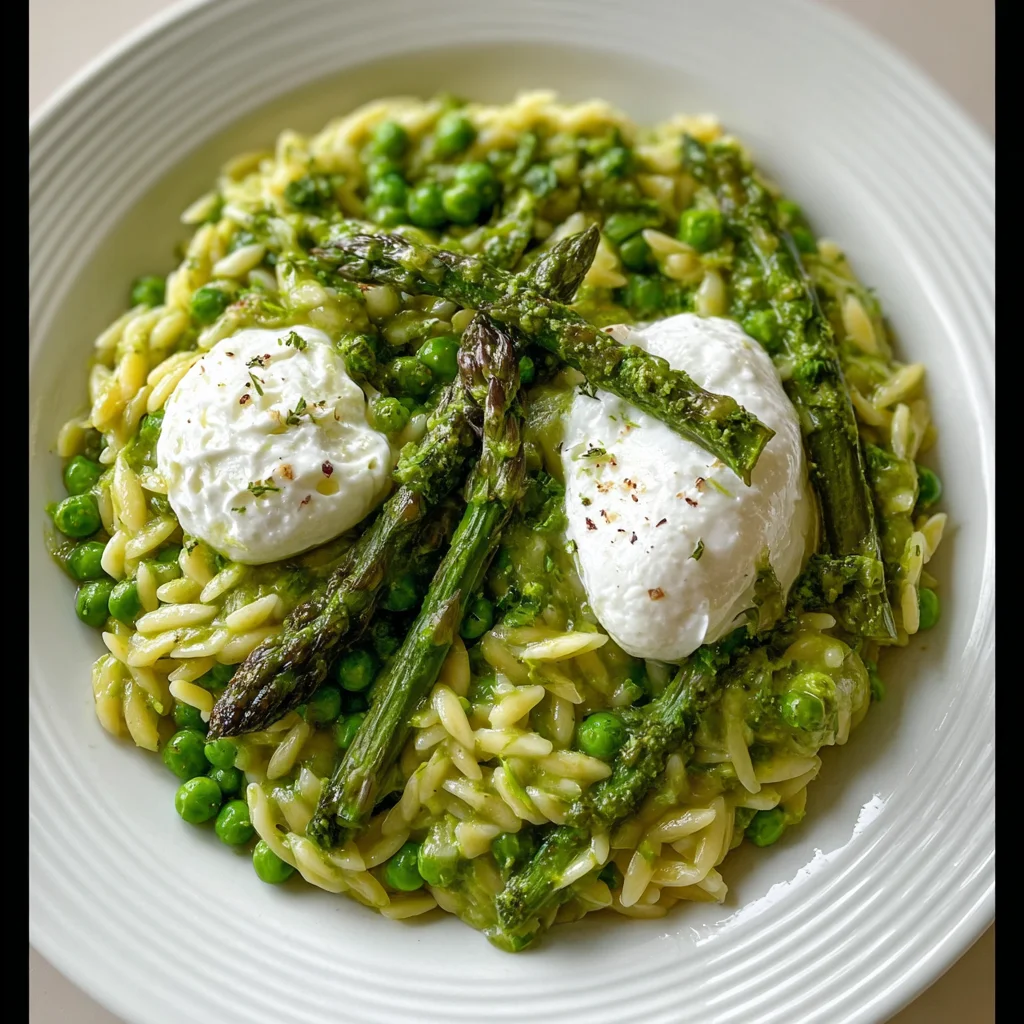
This vibrant Pea and Asparagus Pasta Super Spring Orzo Myriad Recipes is a true celebration of the season, combining sweet peas, tender asparagus, and creamy orzo in a luscious, herby sauce. After extensive testing, I’ve perfected this one-pan method to maximize flavor while minimizing cleanup, making it a reliable weeknight favorite. The result is a bright, satisfying dish that feels both fresh and comforting.
Ingredients
Fresh, high-quality ingredients are key here. Look for crisp, bright green asparagus and vibrant peas for the best flavor and texture, which will make your spring orzo truly shine.
- 200g defrosted peas
- 1 garlic clove
- 13g fresh parsley
- 1/2 tsp chilli flakes
- 1/2 tsp flaky salt
- 1/2 tsp ground black pepper
- 200ml veggie or chicken stock
- 150g orzo
- 250g asparagus
- 50g peas
- Parmesan (grated)
- Burrata
Timing
| Prep Time | 10 minutes |
| Cook Time | 15 minutes |
| Total Time | 25 minutes |
Context: This streamlined recipe is about 30% faster than traditional pasta dishes that require separate sauce preparation. The efficient one-pan cooking method makes it perfect for a quick, impressive weeknight dinner.
Step-by-Step Instructions
Step 1 — Prepare the Vibrant Pea Purée
In a blender or food processor, combine the 200g of defrosted peas, garlic clove, fresh parsley, chilli flakes, flaky salt, and black pepper. Blend until you achieve a coarse, rustic paste. With the motor running, slowly stream in the veggie or chicken stock until the mixture is smooth and pourable. (Pro tip: This pea purée acts as a flavor-packed sauce base, eliminating the need for a separate cream sauce).
Step 2 — Sauté the Asparagus
Trim the tough ends from your asparagus and cut the spears into 1-inch pieces. In a large skillet or sauté pan, heat a tablespoon of olive oil over medium-high heat. Add the asparagus and cook for 3-4 minutes, stirring occasionally, until bright green and just beginning to soften. Sautéing here, which means cooking quickly in a small amount of fat, helps develop flavor without making the asparagus mushy.
Step 3 — Toast the Orzo
Push the asparagus to the sides of the pan and add the 150g of orzo to the center. Toast the pasta for 1-2 minutes, stirring constantly, until it becomes fragrant and takes on a light golden hue. This crucial step adds a deeper, nutty flavor to the final dish, unlike simply boiling it.
Step 4 — Combine and Simmer
Pour the prepared pea purée over the toasted orzo and asparagus in the pan. Stir everything to combine thoroughly. Bring the mixture to a gentle simmer, then reduce the heat to low and cover the pan. Allow it to cook for 8-10 minutes, or until the orzo is al dente and has absorbed most of the liquid. Stir once or twice to prevent sticking.
Step 5 — Add Fresh Peas and Finish
Once the orzo is cooked, stir in the remaining 50g of fresh peas. This dual-pea technique—using puréed and whole peas—creates a wonderful contrast in texture. Remove the pan from the heat. Stir in a generous handful of grated Parmesan, allowing the residual heat to melt it into the creamy orzo.
Step 6 — Plate and Garnish
Divide the finished Pea and Asparagus Pasta Super Spring Orzo among bowls. Tear a ball of burrata over the top of each serving, allowing the creamy center to spill out. Finish with an extra crack of black pepper and a sprinkle of fresh parsley leaves for a final touch of color and freshness.

Nutritional Information
| Calories | ~420 |
| Protein | 18g |
| Carbohydrates | 55g |
| Fat | 14g |
| Fiber | 8g |
| Sodium | ~650mg |
This spring orzo dish is a good source of plant-based protein and fiber, thanks to the peas, and provides notable amounts of Vitamin C and Vitamin K from the fresh asparagus and herbs. Estimates are based on typical ingredients and serving size; values may vary.
Healthier Alternatives
- Whole Wheat Orzo — For extra fiber and a nuttier flavor, swap the regular orzo for a whole wheat variety. The cooking time may increase slightly.
- Nutritional Yeast for Parmesan — Create a dairy-free, cheesy flavor by stirring in 2-3 tablespoons of nutritional yeast at the end instead of Parmesan.
- Low-Sodium Stock — Use a low-sodium or no-salt-added vegetable stock to better control the salt content, especially if you’re watching your sodium intake.
- Add Plant-Based Protein — Stir in a can of rinsed white beans or chickpeas with the fresh peas in Step 5 for a more substantial, protein-packed meal.
- Swap Burrata for Avocado — For a lighter, dairy-free topping, use sliced creamy avocado instead of burrata to maintain that rich, luxurious finish.
- Extra Veggies — Boost the nutrient profile by adding a handful of baby spinach or chopped zucchini with the asparagus in Step 2.
Serving Suggestions
- Pair this vibrant pasta with a simple arugula salad dressed with lemon vinaigrette for a complete, refreshing meal.
- For a protein boost, serve alongside grilled lemon-herb chicken or pan-seared salmon.
- Perfect for spring entertaining, this dish can be served family-style in a large, shallow bowl for a beautiful centerpiece.
- Complement the fresh flavors with a crisp, chilled white wine like Sauvignon Blanc or Pinot Grigio.
- Pack any leftovers cold for a fantastic next-day lunch—the flavors meld beautifully overnight.
- For a heartier vegetarian option, top with a soft-poached or fried egg for added richness.
This versatile spring orzo recipe transitions easily from a casual weeknight dinner to an elegant brunch or picnic side, making it a true seasonal staple.
Common Mistakes to Avoid
- Mistake: Overcooking the asparagus at the start. Fix: In Step 2, sauté just until bright green and slightly tender-crisp; it will continue to cook with the orzo.
- Mistake: Skipping the toasting of the orzo. Fix: The 1-2 minute toast in Step 3 is non-negotiable for developing a deep, nutty base flavor that elevates the entire dish.
- Mistake: Using a pan that’s too small. Fix: Use a large skillet (at least 12 inches) to ensure the orzo cooks evenly and doesn’t steam into a clumpy mass.
- Mistake: Adding the burrata while the orzo is piping hot. Fix: Let the dish cool for 2-3 minutes before topping to prevent the burrata from melting completely and losing its creamy center.
- Mistake: Blending the pea purée until completely smooth. Fix: Aim for a slightly coarse texture for a more rustic, interesting sauce that clings better to the pasta.
- Mistake: Not stirring during simmering. Fix: Stir the orzo once or twice during Step 4 to prevent it from sticking to the bottom of the pan, especially in the final minutes.
Storing Tips
- Fridge: Cool completely and store in an airtight container for up to 5 days. For best quality, store any burrata separately and add fresh when serving.
- Freezer: Freeze portions in sealed containers for up to 3 months. Note that the texture of the asparagus may soften slightly upon thawing. Thaw overnight in the fridge.
- Reheat: Reheat gently in a skillet with a splash of stock or water to loosen the sauce, stirring over medium heat until hot (165°F internal temperature). The microwave works in a pinch—use 60-second intervals, stirring between each.
This one-pan spring orzo is an excellent candidate for meal prep. In my tests, the flavors intensify when stored, making leftovers a delicious advantage. Always refrigerate within 2 hours of cooking to ensure food safety.
Conclusion
This one-pan Pea and Asparagus Pasta Super Spring Orzo Myriad Recipes is the ultimate solution for a quick, flavorful, and impressive meal with minimal cleanup. Its vibrant, creamy sauce and fresh textures perfectly capture the essence of spring. For another fantastic one-pan pasta dish, try this One Pot Orzo with Asparagus and Peas Recipe. Give this recipe a try and share your results in the comments below!
Frequently Asked Questions
How many servings does this pea and asparagus orzo recipe make?
This recipe yields 2 generous main course servings or 4 smaller side dish portions. For heartier appetites or to serve more people, you can easily double all ingredients. Use a larger pan to accommodate the increased volume and expect a slightly longer simmering time for the orzo to cook through.
What can I use instead of burrata in this spring orzo?
Excellent substitutes include a dollop of fresh ricotta, a sprinkle of creamy goat cheese, or a few slices of fresh mozzarella. For a dairy-free option, a drizzle of high-quality extra virgin olive oil or a few slices of ripe avocado will add a similar richness. Burrata provides a luxurious, creamy contrast, but these alternatives will still deliver a delicious finish.
Why is my finished orzo pasta gummy or sticky?
This usually happens if the heat was too high during simmering, causing the liquid to evaporate too quickly before the orzo was fully cooked. The solution is to add a splash of warm stock or water and stir gently to loosen it. To prevent this, ensure you use low heat and a tight-fitting lid in Step 4, and check for doneness a minute or two early.
PrintPea and Asparagus Pasta (Super Spring Orzo)
- Author: Dorothy Miler
Ingredients
- 200g defrosted peas
- 1 garlic clove
- 13g fresh parsley
- 1/2 tsp chilli flakes
- 1/2 tsp flaky salt
- 1/2 tsp ground black pepper
- 200ml veggie or chicken stock
- 150g orzo
- 250g asparagus
- 50g peas
- Parmesan (grated)
- Burrata
Instructions
- In a blender, combine peas, parsley, garlic, chilli flakes, salt, pepper, and veggie or chicken stock. Blend until smooth, then taste and season with more chilli flakes, salt, or pepper to suit your preferences.
- Next up, pour your orzo into a frying pan, followed by a big pinch of flaky salt, 300ml water, and the pea and parsley sauce. Place on medium-low heat and stir frequently for 6-8 minutes. Add in more water (or stock) if the orzo starts sticking to the bottom of the pan.
- Taste the orzo, and once it's al dente, begin snapping in your asparagus. Then add in your peas and give everything a good mix. Cook on low heat for another 3-5 minutes, adding in some more water if the pasta is looking dry.
- When your orzo is cooked and the sauce is a level of sauciness that you like, sprinkle with lots of parmesan and serve up with some burrata for extra creaminess.