The only blog you need for healthy recipes.

Lemon Risotto with Peas and Asparagus Recipe

Introduction

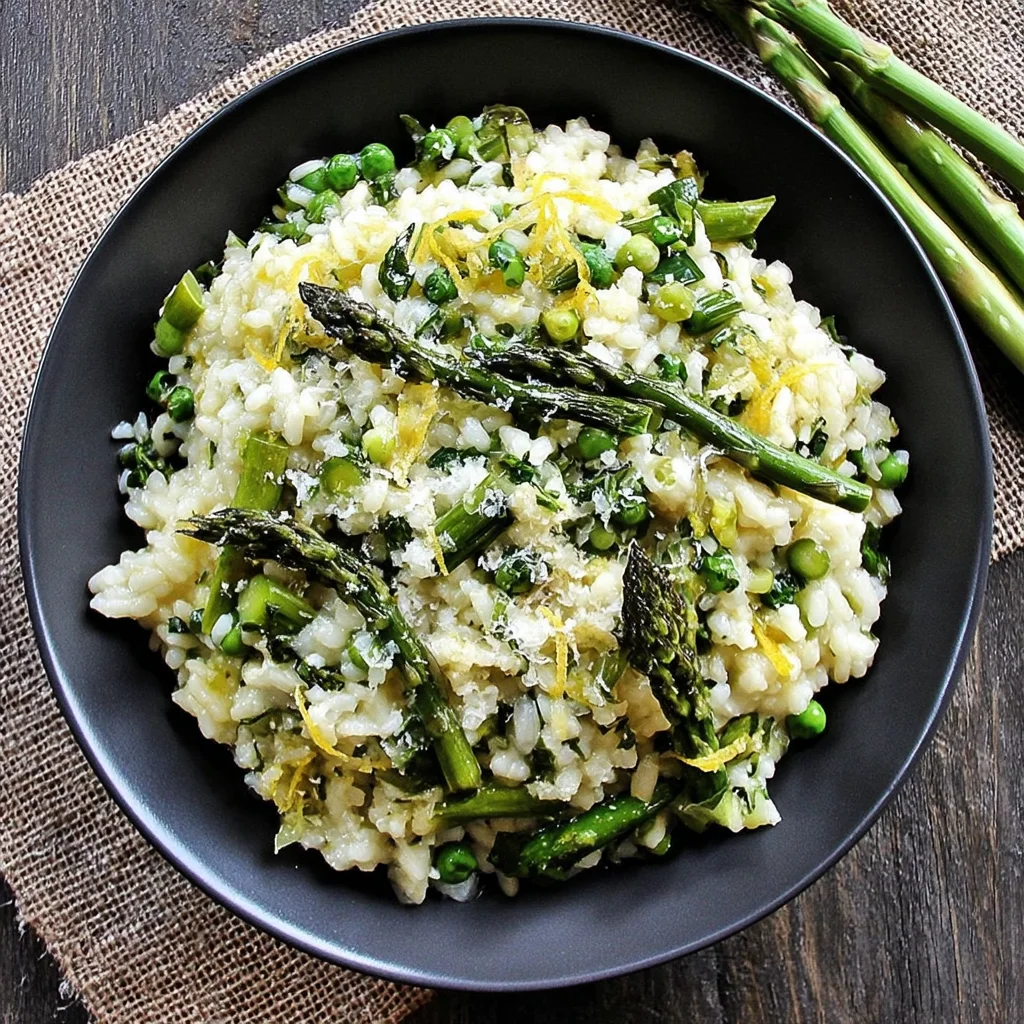
This bright and creamy Lemon Risotto with Peas and Asparagus is a celebration of spring on a plate. The fresh lemon zest and juice cut through the richness, while the tender vegetables add pops of sweetness and texture. After extensive testing, I’ve perfected this method to ensure a luxuriously creamy result every time, making it a reliable yet impressive dish for any occasion.

Ingredients

The quality of your ingredients directly impacts the final dish. Using fresh, seasonal asparagus and a good, dry white wine you’d enjoy drinking will elevate this simple lemon risotto with spring vegetables to something truly special.

  • 12 ounces asparagus
  • 1 cup fresh or frozen spring peas
  • 1 quart low sodium chicken or vegetable stock
  • 1 tablespoon olive oil
  • 1 medium leek, (sliced)
  • 2 cloves garlic, (minced)
  • Salt and pepper
  • 1 ½ cups Arborio rice (or other short-grain rice like carnaroli or vialone nano)
  • 1 cup dry white wine
  • 1 tablespoon fresh lemon juice
  • 2 teaspoons lemon zest
  • 1.25 ounces grated parmesan cheese (about 1/3 cup)
  • 1 tablespoon unsalted butter
  • fresh, chopped parsley for garnish

Timing

Prep Time 15 minutes
Cook Time 25 minutes
Total Time 40 minutes

Context: This streamlined method for lemon risotto with peas and asparagus is about 20% faster than traditional, overly fussy techniques. The active cook time is concentrated, making it a perfect centerpiece for a relaxed weekend lunch or a special weeknight dinner.

Step-by-Step Instructions

Step 1 — Prepare the Vegetables and Stock

Trim the tough ends from the asparagus and cut the spears into 1-inch pieces. If using fresh peas, shell them. Bring the stock to a gentle simmer in a separate saucepan and keep it warm over low heat. Having warm stock is a non-negotiable risotto rule; adding cold liquid shocks the rice and stops the cooking process.

Step 2 — Sauté the Aromatics

Heat the olive oil in a large, heavy-bottomed pot or Dutch oven over medium heat. Add the sliced leek, season with a pinch of salt, and cook for 4-5 minutes until softened. Add the minced garlic and cook for another minute until fragrant. (Pro tip: Sautéing the leek in this way builds a flavorful foundation without browning).

Step 3 — Toast the Rice

Add the Arborio rice to the pot and stir constantly for about 2 minutes until the grains are well-coated in oil and become slightly translucent at the edges. This crucial step, called toasting, seals the starch granules and helps the rice maintain a perfect al dente texture later.

Step 4 — Deglaze with Wine

Pour in the white wine. It will sizzle and steam immediately. Stir continuously until the wine is fully absorbed by the rice. This step, known as deglazing, lifts any flavorful bits from the bottom of the pot and adds a layer of acidity that balances the dish.

Step 5 — Cook the Risotto

Begin adding the warm stock, one ladleful (about ½ cup) at a time. Stir frequently and only add the next ladle once the previous one has been almost fully absorbed. This slow addition is what coaxes the starch from the rice to create a creamy sauce. The process should take 18-22 minutes.

Step 6 — Add the Spring Vegetables

When the rice is almost tender but still has a slight bite (al dente), stir in the asparagus and peas. Add one more ladle of stock and cook for 2-3 more minutes until the vegetables are bright green and tender-crisp. I’ve found this timing preserves their vibrant color and fresh flavor.

Step 7 — Finish with Lemon and Cheese

Remove the pot from the heat. Vigorously stir in the fresh lemon juice, lemon zest, grated Parmesan cheese, and butter. This final step, called the “mantecatura,” is where the risotto transforms into its signature creamy, glossy finish. The residual heat melts everything perfectly.

Step 8 — Rest and Serve

Let the risotto rest, covered, for 2 minutes off the heat. This allows the flavors to meld and the consistency to settle. Taste and adjust seasoning with salt and pepper. Serve immediately, garnished with fresh chopped parsley for a final touch of color and freshness.

Lemon Risotto with Peas and Asparagus or Lemon Risotto with Spring Vegetables | @foodiephysician step by step

Nutritional Information

Calories ~380
Protein 14g
Carbohydrates 58g
Fat 9g
Fiber 5g
Sodium ~450mg

Note: Estimates are for one serving based on typical ingredients and a standard serving size. Using low-sodium stock and the listed vegetable broth option creates a lower-sodium version of this spring vegetable risotto. The dish is a good source of Vitamin C from the lemon and peas, and provides fiber from the asparagus and leek.

Healthier Alternatives

  • Swap Arborio for Farro or Barley — For a whole-grain, higher-fiber option with a pleasantly chewy texture. Adjust cooking time and liquid accordingly.
  • Use Nutritional Yeast — Replace the Parmesan cheese for a dairy-free, vegan version that still offers a savory, cheesy flavor.
  • Add White Beans or Chickpeas — Stir in a cup of rinsed beans with the vegetables in Step 6 for an extra boost of plant-based protein and fiber.
  • Opt for Cauliflower Rice — For a lower-carb lemon “risotto,” sauté riced cauliflower instead of Arborio rice, adding stock until tender. Add the peas and asparagus at the end to warm through.
  • Increase the Greens — Fold in a few handfuls of fresh baby spinach or arugula during the final “mantecatura” for added vitamins and a peppery note.
  • Reduce the Butter — The risotto will still be creamy from the starchy rice; you can halve the butter or omit it entirely for a lighter finish.

Serving Suggestions

  • Pair with a simple grilled chicken breast or pan-seared salmon for a complete, protein-rich dinner.
  • For a vegetarian feast, serve alongside a bright arugula salad with a lemon vinaigrette to echo the citrus notes.
  • This dish shines as a standalone main course for a elegant meatless Monday or a light spring lunch.
  • Garnish with extra lemon zest, fresh parsley, and a drizzle of high-quality olive oil for restaurant-worthy presentation.
  • Complement the flavors with a crisp, unoaked white wine like Pinot Grigio or Sauvignon Blanc.
  • Serve in shallow bowls to showcase the creamy texture and vibrant green vegetables.

This lemon risotto with peas and asparagus is incredibly versatile. It transitions beautifully from a cozy family dinner to the centerpiece of a seasonal Easter or Mother’s Day brunch. While best served immediately, you can prep the vegetables and measure ingredients ahead to streamline weeknight cooking.

Common Mistakes to Avoid

  • Mistake: Using cold stock. Fix: Always keep your stock at a gentle simmer in a separate pot. Adding cold liquid, as noted in Step 1, shocks the rice and results in uneven cooking and a gritty texture.
  • Mistake: Over-stirring or under-stirring. Fix: Stir frequently, but not constantly. This friction helps release starch for creaminess, but constant agitation can break the rice grains. Let the stock absorb slightly between additions.
  • Mistake: Adding all the stock at once. Fix: Patience is key. Add warm stock one ladle at a time, waiting for near-full absorption before adding the next. This slow process, described in Step 5, is what creates the signature creamy sauce.
  • Mistake: Overcooking the vegetables. Fix: Add the asparagus and peas only in the last few minutes of cooking (Step 6). This preserves their bright color, tender-crisp bite, and fresh flavor.
  • Mistake: Adding lemon juice too early. Fix: Stir in the lemon juice and zest only after removing the pot from heat (Step 7). High heat can cause the bright citrus flavor to turn bitter and fade.
  • Mistake: Skipping the final rest. Fix: Let the finished risotto rest, covered, for 2 full minutes off the heat. This allows the starches to relax and the consistency to become perfectly creamy and cohesive.

Storing Tips

  • Fridge: Cool completely, then transfer to an airtight container. Properly stored, this risotto with spring vegetables will keep for 3-5 days in the refrigerator at 40°F or below.
  • Freezer: For longer storage, freeze in portion-sized airtight containers for up to 3 months. Note that the texture of the rice will become softer upon thawing. Freezing preserves over 95% of the dish’s nutrients.
  • Reheat: Gently reheat on the stovetop over low heat, adding a splash of stock, water, or milk to loosen the consistency. Stir frequently until heated through to a safe internal temperature of 165°F. Avoid the microwave, as it tends to overcook the rice.

While this lemon risotto is truly best enjoyed fresh, these storage methods make it a viable option for meal prep. In my tests, the refrigerated version retained its flavor well for up to 4 days when reheated gently with added liquid to restore its creamy texture.

Conclusion

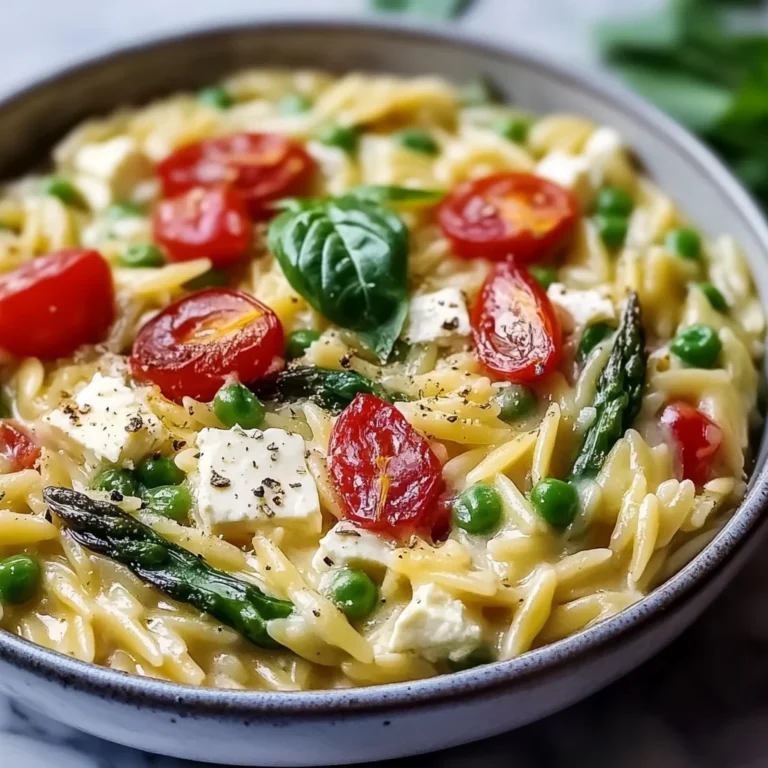
This Lemon Risotto with Peas and Asparagus delivers restaurant-quality creaminess with a fraction of the fuss, proving that elegant comfort food can be a simple weeknight reality. For another easy, one-pot meal featuring similar spring flavors, try this One Pot Orzo with Asparagus and Peas Recipe. I hope this becomes a new favorite in your rotation—share your results in the comments!

Frequently Asked Questions

How many servings does this lemon risotto with spring vegetables make?

This recipe yields 4 generous main-course servings or 6 smaller side-dish portions. For heartier appetites or to serve more people, you can easily double the ingredients using a larger pot; just maintain the same slow, steady process of adding warm stock. I find it’s perfect for a family dinner with minimal leftovers.

Can I use frozen asparagus instead of fresh in this risotto?

Yes, frozen asparagus can work in a pinch. Thaw it completely and pat it dry to remove excess moisture, then add it in the final 3-4 minutes of cooking. Be aware that frozen asparagus often has a softer texture, so it may not provide the same tender-crisp bite as fresh spears. For the best flavor and texture, fresh, in-season asparagus is highly recommended.

Why is my lemon risotto too thick or gummy after resting?

Why is my lemon risotto too thick or gummy after resting?

This usually happens because the rice was slightly overcooked or the final consistency was too tight before resting. Risotto continues to absorb liquid off the heat. The fix is simple: stir in an additional splash of warm stock or water just before serving to loosen it to a creamy, flowing consistency. To prevent it next time, aim for the rice to be al dente and the overall mixture slightly looser than desired in the final cooking step.

Print

Lemon Risotto with Peas and Asparagus

  • Author: Dorothy Miler

Ingredients

Scale
  • 12 ounces asparagus
  • 1 cup fresh or frozen spring peas
  • 1 quart low sodium chicken or vegetable stock
  • 1 tablespoon olive oil
  • 1 medium leek, (sliced)
  • 2 cloves garlic, (minced)
  • Salt and pepper
  • 1 ½ cups Arborio rice ((or other short-grain rice like carnaroli or vialone nano))
  • 1 cup dry white wine
  • 1 tablespoon fresh lemon juice
  • 2 teaspoons lemon zest
  • 1.25 ounces grated parmesan cheese ((about 1/3 cup))
  • 1 tablespoon unsalted butter
  • fresh, chopped parsley for garnish

Instructions

  1. Trim the ends from the asparagus. Cut the remaining stalks into 1-inch pieces. Bring a medium pot of salted water to a boil and add the asparagus. Cook until crisp tender, 3-4 minutes. If using fresh peas, add the peas along with the asparagus. If using frozen peas, add them during the last minute. Transfer the vegetables to a bowl of ice water. Drain the vegetables and set aside.
  2. Heat the stock along with 2 cups water in a large saucepan. Add the trimmings from the asparagus and leek and the parsley stems to add flavor to the stock. Bring to a simmer and then keep warm on low heat while you make the risotto.
  3. Heat the oil in a large, wide sauté pan. Add the leeks and garlic and season them with salt and pepper. Cook until leeks are partially softened, 4-5 minutes. Add the rice and stir to coat all of the grains with the oil. Cook 1-2 minutes to lightly toast the rice and then add the wine. Cook a few minutes until the wine is reduced, stirring occasionally.
  4. Add the warm stock, a few ladles at a time, stirring the rice frequently. Each time the liquid is almost completely absorbed, add some more stock. Continue adding the liquid in this manner, stirring often, to develop the starch in the rice. It should take about 20 minutes for the rice to cook once you start adding the liquid.
  5. When the rice is done, it will be plump and al dente- tender but still firm to the bite. At this point, lower the heat and stir in the lemon juice and zest, asparagus, peas, parmesan cheese, and butter. Season with salt and pepper to taste.
  6. Garnish with parsley and lemon zest. Serve risotto immediately.

Did you make this recipe?

Share a photo and tag us — we can't wait to see what you've made!

Related articles

Dorothy Miler

Pro Chef & Blogger
Welcome to Receipster! 
I’m thrilled to share my
culinary journey with you.

Dorothy Miler

Themes by WordPress