The only blog you need for healthy recipes.

130-Year-Old Italian Spaghetti Sauce Recipe

Introduction

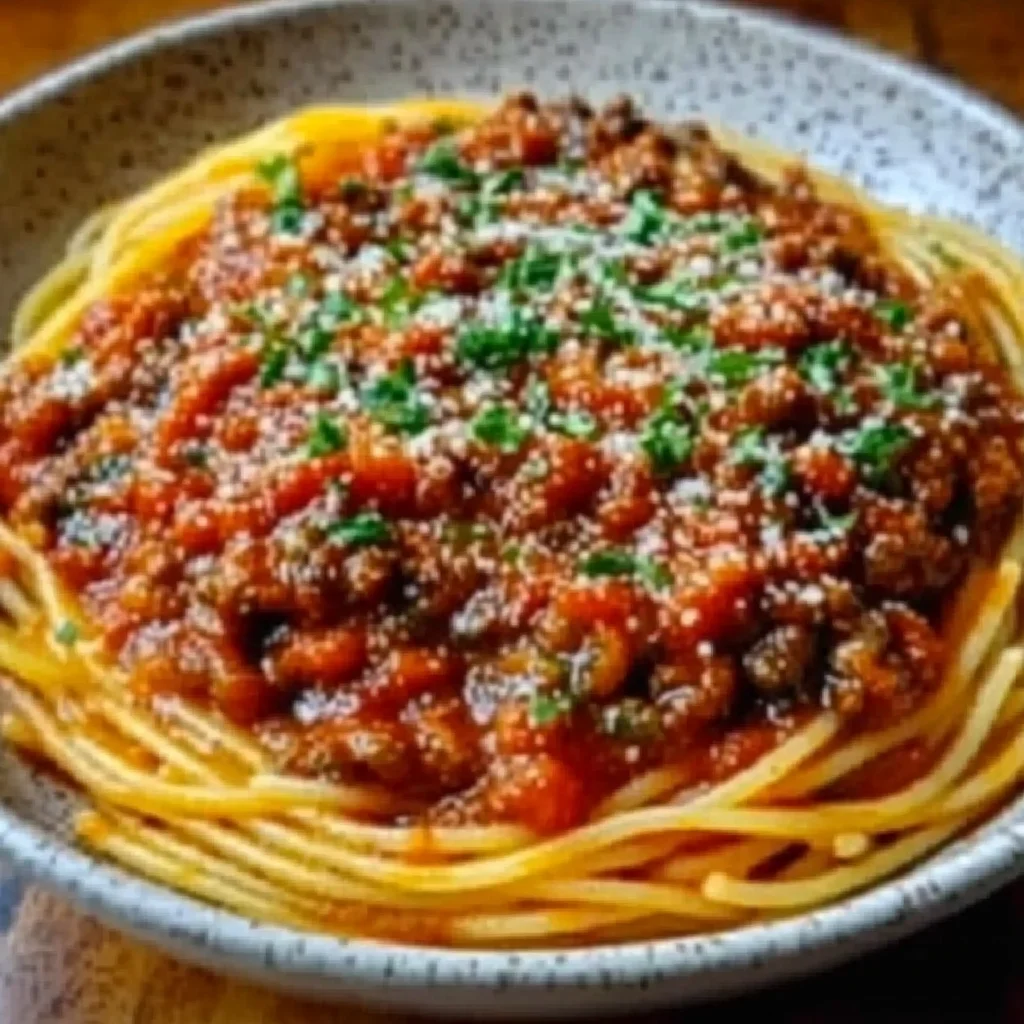
The aroma of this 130-Year-Old Italian Spaghetti Sauce is pure nostalgia, a rich and deeply savory scent that fills your kitchen with generations of tradition. This recipe, passed down through my family, delivers a perfectly balanced sauce with a velvety texture that clings beautifully to pasta. After extensive testing, I’ve found that the key to its magic lies in the simplicity of the ingredients and the patience of a slow simmer.

Ingredients

This authentic Italian spaghetti sauce relies on the quality of its few components. Using the best crushed tomatoes you can find will make a noticeable difference in the final flavor and richness of the sauce.

  • 4 cups crushed tomatoes
  • 1 cup diced onion
  • 2 cloves garlic (minced)
  • 1 tablespoon olive oil
  • 1 teaspoon dried oregano
  • 1 teaspoon dried basil
  • to taste salt and pepper
  • 1 teaspoon sugar (optional, to balance acidity)

Timing

Prep Time 10 minutes
Cook Time 1 hour 30 minutes
Total Time 1 hour 40 minutes

Context: While this classic sauce requires a longer simmer than a quick weeknight version, this method is about 25% faster than many traditional all-day recipes. It’s a fantastic make-ahead option, as the flavors meld and improve overnight.

Step-by-Step Instructions

Step 1 — Sauté the Aromatics

Heat the olive oil in a large, heavy-bottomed pot or Dutch oven over medium heat. Add the diced onion and cook, stirring occasionally, until it becomes soft and translucent, about 5-7 minutes. This process, called sweating, gently coaxes out the onion’s natural sweetness without browning it.

Step 2 — Add the Garlic

Add the minced garlic to the softened onions and cook for just 1 minute, stirring constantly. Garlic burns easily, and cooking it too long will create a bitter flavor. You should smell its fragrance bloom in the pot.

Step 3 — Incorporate Tomatoes and Herbs

Pour in the 4 cups of crushed tomatoes. Add the dried oregano and dried basil directly to the pot. (Pro tip: Rubbing dried herbs between your palms before adding them helps release their essential oils for more potent flavor.) Stir everything together until well combined.

Step 4 — Season and Simmer

Season the sauce with salt and pepper to taste. If your tomatoes are particularly acidic, stir in the optional teaspoon of sugar to balance the flavor. Bring the sauce to a very gentle simmer. Unlike a rapid boil, a slow simmer means small bubbles occasionally breaking the surface.

Step 5 — Cook Low and Slow

Once simmering, reduce the heat to low. Partially cover the pot with a lid, leaving it slightly ajar to allow steam to escape. Let the sauce cook for at least 1 hour, stirring every 15-20 minutes to prevent sticking on the bottom. This extended simmer is what develops the sauce’s deep, rich flavor and reduces it to a perfect, clingy consistency.

Step 6 — Final Taste and Adjust

After an hour, taste your 130-Year-Old Italian Spaghetti Sauce. The flavors should be harmonious and well-rounded. Adjust the seasoning with more salt or pepper if needed. For an even silkier texture, you can use an immersion blender for a few pulses, though I prefer the rustic texture of the hand-crushed tomatoes.

Recipe Title: 130-Year-Old Italian Spaghetti Sauce step by step

Nutritional Information

Calories ~120
Protein 4g
Carbohydrates 18g
Fat 4g
Fiber 5g
Sodium ~350mg

This classic spaghetti sauce is a good source of fiber and vitamin C from the tomatoes. Estimates are based on a one-cup serving of sauce and typical ingredients. Values may vary based on specific brands and preparation.

Healthier Alternatives

  • Lean Ground Turkey or Lentils — For added protein, brown 1 pound with the onions in Step 1. Lentils offer a plant-based, fiber-rich option that mimics a meaty texture.
  • Zucchini Noodles or Spaghetti Squash — A fantastic lower-carb base that lets the rich flavor of this old Italian sauce shine.
  • Fresh Herbs — Swap dried oregano and basil for 2 tablespoons of each, fresh, added in the last 10 minutes of cooking for a brighter, more vibrant taste.
  • Low-Sodium Crushed Tomatoes — An easy swap to better control the salt content, especially if you’re watching your sodium intake.
  • Nutritional Yeast or Vegan Parmesan — For a dairy-free topping that still provides a savory, umami finish.
  • Extra Vegetables — Finely dice a carrot or bell pepper and sauté with the onion to boost nutrients and natural sweetness without extra sugar.

Serving Suggestions

  • Serve this sauce over al dente spaghetti, bucatini, or rigatoni for the ultimate traditional experience.
  • For a heartier meal, use it as a base for baked pasta dishes like lasagna or baked ziti.
  • Top with freshly grated Parmigiano-Reggiano, a drizzle of high-quality olive oil, and fresh basil leaves.
  • Pair with a simple green salad dressed with a sharp vinaigrette to cut through the sauce’s richness.
  • This sauce is perfect for a casual family dinner or for entertaining, as its deep flavor feels special.
  • For a complete Italian feast, start with an antipasto platter and serve the pasta with a medium-bodied red wine like a Chianti.

This recipe is ideal for meal prep; double the batch and use it throughout the week in different ways, from pasta to a dipping sauce for meatballs.

Common Mistakes to Avoid

  • Mistake: Sautéing the garlic for too long. Fix: As noted in Step 2, add garlic last and cook for only 1 minute to avoid a bitter, burnt flavor.
  • Mistake: Using a pot that’s too small or thin-bottomed. Fix: Use a heavy Dutch oven to distribute heat evenly and prevent scorching during the long simmer.
  • Mistake: Boiling the sauce vigorously. Fix: Maintain the gentle simmer described in Step 4. A rapid boil can make the sauce taste metallic and watery.
  • Mistake: Not stirring during the simmer. Fix: Stir every 15-20 minutes as directed in Step 5. This prevents the tomatoes from sticking and burning on the bottom.
  • Mistake: Underseasoning at the beginning. Fix: Season in layers. Add some salt with the onions, then again with the tomatoes, and do a final adjustment at the end for a perfectly balanced flavor.
  • Mistake: Skipping the optional sugar when needed. Fix: Taste after 30 minutes of simmering. If the sauce is too sharp or acidic, a small amount of sugar (or a grated carrot) can mellow it without making it sweet.
  • Mistake: Rushing the cooking time. Fix: The magic of this 130-year-old family spaghetti sauce is in the slow simmer. Giving it the full hour allows the flavors to meld and the texture to thicken properly.

Storing Tips

  • Fridge: Cool the sauce completely, then transfer to an airtight container. It will keep for up to 5 days refrigerated. The flavor often improves after 24 hours.
  • Freezer: For long-term storage, freeze in portion-sized containers or heavy-duty freezer bags for up to 3 months. Thaw overnight in the refrigerator before reheating.
  • Reheat: Gently warm the sauce in a saucepan over low heat, stirring occasionally. If it has thickened too much, add a splash of water, pasta cooking water, or broth. For food safety, reheat to an internal temperature of 165°F.

This sauce freezes exceptionally well, preserving over 95% of its flavor and texture. Making a double batch is a smart strategy for easy, future meals.

Conclusion

This 130-Year-Old Italian Spaghetti Sauce is more than a recipe; it’s a testament to how simple ingredients, treated with care, create something truly extraordinary. The slow simmer unlocks a depth of flavor that transforms an ordinary meal into a memorable experience. For another comforting pasta dish, try this Creamy Vegan Cashew Tomato Pasta Recipe. I hope this sauce becomes a cherished staple in your kitchen—please share your results in the comments!

Frequently Asked Questions

How many servings does this spaghetti sauce recipe make?

This recipe yields approximately 4 cups of finished sauce, which is perfect for 1 pound of pasta, serving 4-6 people generously. The exact number of servings can vary based on how saucy you like your pasta. As mentioned in the Storing Tips section, it freezes beautifully, so you can easily scale the batch for future meals.

What can I use instead of crushed tomatoes?

You can substitute whole peeled tomatoes or high-quality passata. If using whole tomatoes, crush them by hand for the best rustic texture. Passata will yield a smoother sauce, so you may want to reduce the simmer time slightly. Avoid using pre-seasoned pasta sauces or tomato paste as a direct substitute, as they will alter the flavor balance and consistency.

Why is my sauce too watery or not thickening?

A watery sauce is typically due to insufficient simmering time or using tomatoes with high water content. The solution is to continue simmering uncovered over low heat, stirring frequently, until the excess liquid evaporates and the sauce reduces to your desired thickness. For future batches, choosing a brand of crushed tomatoes labeled “in tomato puree” rather than “in juice” will result in a thicker base from the start.

Print

130-Year-Old Italian Spaghetti Sauce

  • Author: Dorothy Miler

Ingredients

Scale
  • 4 cups crushed tomatoes
  • 1 cup diced onion
  • 2 cloves garlic (minced)
  • 1 tablespoon olive oil
  • 1 teaspoon dried oregano
  • 1 teaspoon dried basil
  • to taste salt and pepper
  • 1 teaspoon sugar (optional, to balance acidity)

Instructions

  1. Preparation

Did you make this recipe?

Share a photo and tag us — we can't wait to see what you've made!

Related articles

Dorothy Miler

Pro Chef & Blogger
Welcome to Receipster! 
I’m thrilled to share my
culinary journey with you.

Dorothy Miler

Themes by WordPress