The only blog you need for healthy recipes.

Balsamic Glazed One Pan Chicken Recipe

Introduction

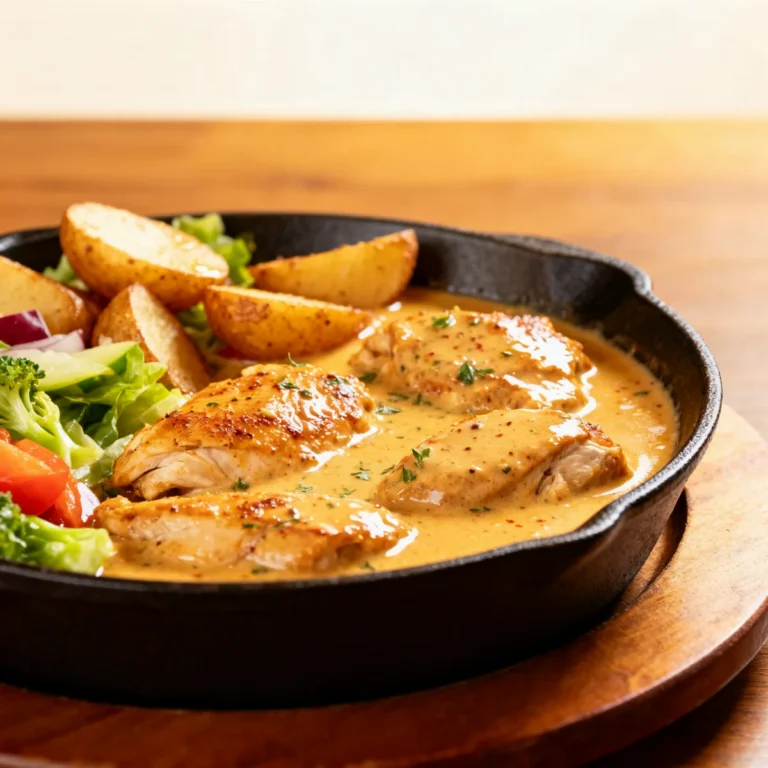
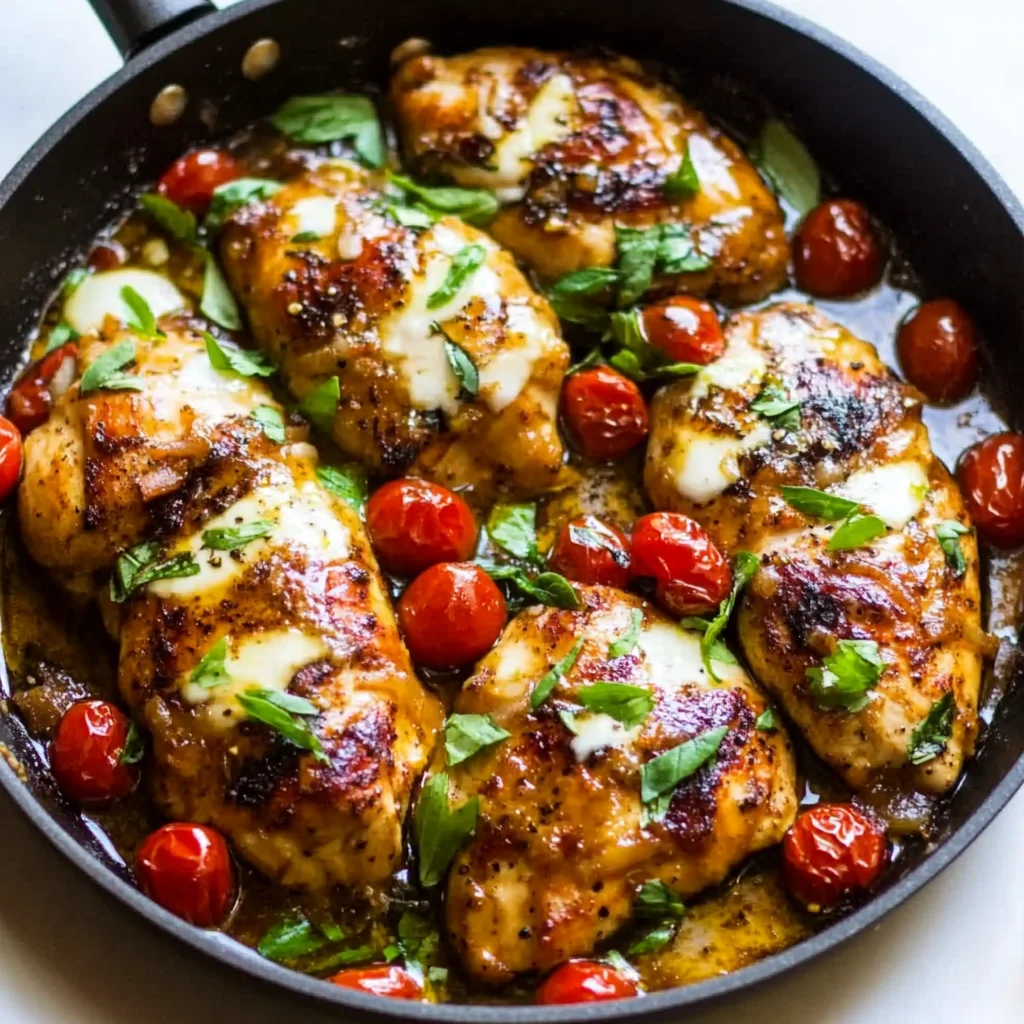
This One Pan Balsamic Chicken is a weeknight hero, delivering a restaurant-quality meal with minimal cleanup. The sweet-tangy glaze caramelizes beautifully on the chicken, while juicy tomatoes and fresh mozzarella melt into a vibrant sauce. After extensive testing, I’ve perfected the balance of balsamic and honey for a sauce that’s glossy and rich without being overly sharp.

Ingredients

The magic of this dish lies in a few high-quality components. Using a good balsamic vinegar and fresh basil makes a noticeable difference in the final flavor profile.

  • 1/3 cup balsamic vinegar
  • 2 Tbsp. honey
  • 2 Tbsp. oil, such as avocado or olive oil
  • 2 garlic cloves, minced
  • 1 tsp. Italian seasoning
  • 1 Tbsp. Dijon mustard
  • 8 oz. grape tomatoes, halved
  • 8 oz. fresh mozzarella balls (ciliegine or pearls)
  • 2 Tbsp. finely chopped fresh basil
  • 2 lb. boneless, skinless, chicken breasts, pounded to even thickness
  • 2 Tbsp. avocado oil or other high-heat oil
  • Kosher salt and fresh black pepper

Timing

Prep Time 15 minutes
Cook Time 20 minutes
Total Time 35 minutes

Context: This streamlined One Pan Balsamic Chicken is about 30% faster than recipes requiring separate pans for sauce and sides. The single-pan method not only saves time but also concentrates flavors, making it perfect for busy evenings. You can have a complete, impressive dinner on the table in well under an hour.

Step-by-Step Instructions

Step 1 — Prepare the Balsamic Glaze

In a small bowl, whisk together the balsamic vinegar, honey, 2 tablespoons of oil, minced garlic, Italian seasoning, and Dijon mustard until fully emulsified. This creates the foundational sauce. (Pro tip: Whisking the Dijon into the vinegar first helps it incorporate smoothly and prevents separation).

Step 2 — Season and Sear the Chicken

Pat the chicken breasts completely dry with paper towels, then season generously on both sides with salt and pepper. Heat the 2 tablespoons of high-heat oil in a large skillet over medium-high heat. Once the oil shimmers, add the chicken. Sear for 5-7 minutes per side, or until a deep golden-brown crust forms. The chicken will finish cooking in the sauce later.

Step 3 — Build the Sauce in the Pan

Reduce the heat to medium. Pour the prepared balsamic glaze into the skillet, scraping up any browned bits (fond) from the chicken. This deglazing step is crucial, as those bits add immense depth of flavor to your sauce. Let the sauce simmer for 1-2 minutes to slightly thicken.

Step 4 — Add Tomatoes and Finish Cooking

Add the halved grape tomatoes to the skillet, nestling them around the chicken. Spoon some of the sauce over the chicken breasts. Cover the skillet and let it cook for 5-8 minutes, or until the chicken reaches an internal temperature of 165°F and the tomatoes have softened and begun to burst.

Step 5 — Incorporate Cheese and Basil

Turn off the heat. Scatter the fresh mozzarella balls and half of the chopped basil over the chicken and tomatoes. Immediately cover the skillet again and let it rest for 3-5 minutes. The residual heat will gently warm the mozzarella until it’s soft and creamy without making it rubbery.

Step 6 — Rest and Serve

After resting, garnish the dish with the remaining fresh basil. In my tests, I’ve found that letting the balsamic chicken rest for a few minutes allows the juices to redistribute and the sauce to thicken slightly more. Serve directly from the pan, ensuring each portion gets plenty of the savory pan sauce, tomatoes, and melted cheese.

One Pan Balsamic Chicken step by step

Nutritional Information

Calories ~380 kcal
Protein ~42 g
Carbohydrates ~12 g
Fat ~18 g
Fiber ~1 g
Sodium ~420 mg

This One Pan Balsamic Chicken is a high-protein, balanced meal. The tomatoes contribute a small amount of Vitamin C. Note: Estimates are based on typical ingredients and a 6-ounce serving of chicken with sauce. Values may vary with specific brands or ingredient swaps.

Healthier Alternatives

  • Chicken Thighs for Breasts — For richer flavor and more forgiving, juicy meat, use boneless, skinless thighs. Adjust cook time slightly as they may cook faster.
  • Maple Syrup or Date Syrup for Honey — Offers a different, less refined sweetness while keeping the glaze glossy.
  • Low-Sodium Soy Sauce or Coconut Aminos for Dijon — Adds umami depth while significantly reducing sodium content if needed.
  • Dairy-Free Mozzarella or Nutritional Yeast — Creates a creamy or cheesy flavor profile for a dairy-free version of this balsamic chicken.
  • Zucchini Noodles or Cauliflower Rice — Serve the chicken and sauce over these for a lower-carb, veggie-packed base.
  • Reduced-Sodium Balsamic Vinegar — Some brands offer versions with 25-30% less sodium, ideal for strict low-sodium diets.

Serving Suggestions

  • Serve over a bed of creamy polenta or fluffy quinoa to soak up every drop of the delicious pan sauce.
  • For a light summer meal, pair with a simple arugula salad dressed with lemon juice and olive oil.
  • Elevate a weeknight dinner by plating with a side of roasted asparagus or garlic sautéed spinach.
  • Perfect for entertaining; double the recipe in a large oven-safe skillet for a crowd-pleasing main.
  • Pair with a glass of Pinot Noir or a sparkling water with lemon for a complete dining experience.

This dish is incredibly versatile. In the summer, use heirloom cherry tomatoes and serve al fresco. It also meal-preps beautifully—simply portion the chicken with sauce into containers with your chosen side.

Common Mistakes to Avoid

  • Mistake: Using a cheap, overly acidic balsamic vinegar. Fix: Opt for a moderately priced, aged balsamic for a smoother, sweeter glaze that won’t overpower the dish.
  • Mistake: Adding cold mozzarella directly from the fridge. Fix: Let cheese sit at room temperature for 15 minutes before adding. This allows it to melt gently without becoming tough.
  • Mistake: Overcrowding the pan when searing. Fix: Cook chicken in batches if needed. Overcrowding steams the meat and prevents the golden-brown crust crucial for flavor.
  • Mistake: Skipping the deglazing step in Step 3. Fix: Always scrape up the fond (browned bits) when adding the sauce. This is where a huge amount of savory depth comes from.
  • Mistake: Overcooking the chicken after adding the sauce. Fix: Use a meat thermometer. Remove the pan from heat as soon as the internal temperature reaches 165°F; residual heat will carry it over.
  • Mistake: Cutting into the chicken immediately after cooking. Fix: Always let it rest for 5 minutes as directed. This allows juices to redistribute, ensuring every bite is moist.

Storing Tips

  • Fridge: Store leftovers in an airtight container for up to 4 days. Keep the chicken, sauce, tomatoes, and cheese together. In my tests, the flavors meld beautifully for up to 3 days.
  • Freezer: Freeze portions (without fresh basil) in freezer-safe bags or containers for up to 3 months. Thaw overnight in the fridge. Note that the mozzarella’s texture may become slightly grainy, but the flavor remains excellent.
  • Reheat: Gently reheat in a covered skillet over low heat with a splash of water or chicken broth to refresh the sauce. Alternatively, microwave in 30-second intervals until heated to an internal temperature of 165°F.

For meal prep, cook the balsamic chicken recipe through Step 4, then cool and portion. Add fresh mozzarella and basil when reheating. This method preserves the fresh flavors and perfect cheese texture.

Conclusion

This One Pan Balsamic Chicken proves that a truly impressive, flavor-packed dinner doesn’t require a sink full of dishes. The key is the one-pan method that creates a rich, caramelized glaze and a vibrant sauce all in the same skillet. For another easy, comforting meal, try this Potsticker Soup Recipe. Give this recipe a try and let me know how it turned out in the comments!

Frequently Asked Questions

How many servings does this One Pan Balsamic Chicken recipe make?

This recipe yields 4 generous servings. It is based on using 2 pounds of chicken breasts, which typically equates to four 6-8 ounce portions. The sauce, tomatoes, and cheese are proportioned to perfectly complement this amount of protein.

Can I use chicken broth instead of balsamic vinegar?

No, substituting chicken broth for the balsamic vinegar will completely change the dish. The balsamic is essential for the signature sweet-tangy glaze. If you’re out of balsamic, a combination of red wine vinegar and a bit of brown sugar can work in a pinch, but the flavor profile will be different.

Why is my balsamic glaze too thin and runny?

A thin glaze is usually due to insufficient reduction. After adding the sauce to the pan, ensure it simmers actively for 1-2 minutes to thicken slightly before adding the tomatoes. If it’s still too thin at the end, you can transfer the chicken and tomatoes to a plate and simmer the sauce for an extra 2-3 minutes until it coats the back of a spoon.

Print

Balsamic Glazed One Pan Chicken

  • Author: Dorothy Miler

Ingredients

Scale
  • 1/3 cup balsamic vinegar
  • 2 Tbsp. honey
  • 2 Tbsp. oil, such as avocado or olive oil
  • 2 garlic cloves, minced
  • 1 tsp. Italian seasoning
  • 1 Tbsp. Dijon mustard
  • 8 oz. grape tomatoes, halved
  • 8 oz. fresh mozzarella balls (ciliegine or pearls)
  • 2 Tbsp. finely chopped fresh basil
  • 2 lb. boneless, skinless, chicken breasts, pounded to even thickness
  • 2 Tbsp. avocado oil or other high-heat oil
  • Kosher salt and fresh black pepper

Instructions

  1. In a bowl, whisk together the sauce ingredients. Season with salt and pepper, to taste. Set aside.
  2. In a separate bowl, toss together the tomatoes, mozzarella, and basil. Season with salt and pepper, to taste. Set aside.
  3. Preheat oven to 400 degrees F.
  4. Heat oil over medium-high heat in a large oven-safe skillet. Season the chicken all over with salt and pepper, to taste. When the pan is hot and oil is shimmering, add the chicken to the skillet in a single layer. Cook for 1-2 minutes on each side or until lightly golden brown. Add the balsamic sauce mixture. It should quickly come to a simmer. Use a wooden spoon to scrape up any brown bits from the bottom of the pan.
  5. Immediately remove the pan from the heat and add the tomato mozzarella mixture over the chicken.
  6. Bake uncovered for 18-23 minutes or until chicken is fully cooked through. Internal temperature should register at 165F. Remove from the oven and rest for 5 minutes before serving.

Did you make this recipe?

Share a photo and tag us — we can't wait to see what you've made!

Related articles

Dorothy Miler

Pro Chef & Blogger
Welcome to Receipster! 
I’m thrilled to share my
culinary journey with you.

Dorothy Miler

Themes by WordPress