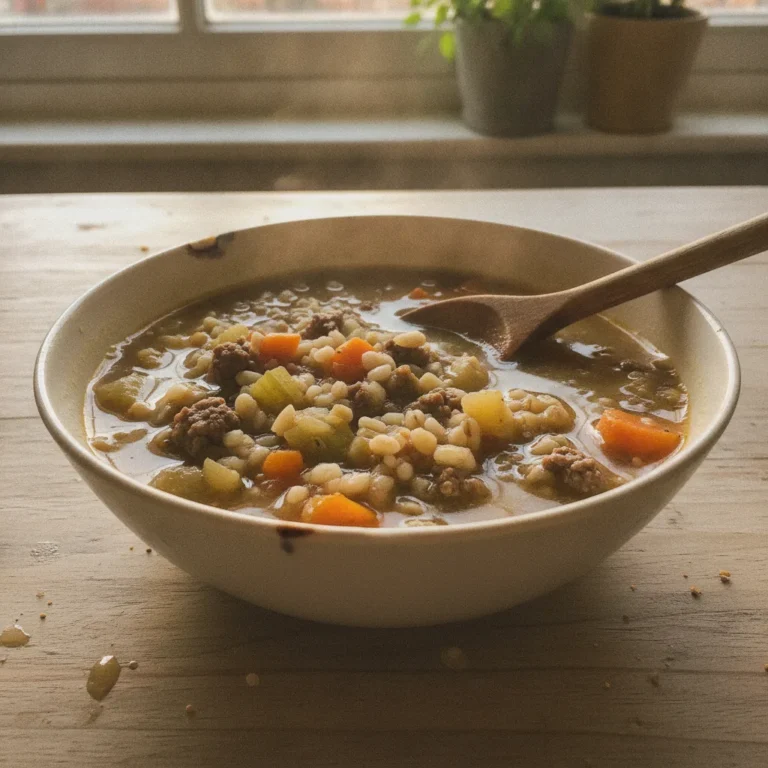
The only blog you need for healthy recipes.

Best Italian Penicillin Soup Recipe

Introduction

When you need a bowl of pure comfort that truly soothes, this Best Italian Penicillin Soup is the answer. I developed this recipe after years of testing, and it’s become my family’s go-to for its bright, restorative broth and satisfying texture. It’s a hug in a bowl that combines classic Italian flavors with the healing power of a good, honest soup.

Ingredients

The magic of this soup lies in the quality of its base and the freshness of the vegetables. Using a good broth and real parmesan rind builds a deeply flavorful foundation.

  • 3 tbsp olive oil (I use extra virgin)
  • 1 yellow onion, finely diced
  • 3 large carrots, finely chopped
  • 3 ribs celery, finely chopped
  • 5 garlic cloves, minced
  • 8 cups chicken or vegetable broth
  • 1 tsp salt
  • Black pepper, to taste
  • 1 parmesan rind (optional but recommended)
  • 1 1/4 cups small pasta (ditalini or stelline)
  • 1 lemon, for juice and zest
  • Chopped parsley (optional but adds freshness)
  • Freshly grated parmesan, for serving
  • Drizzle of olive oil (optional)
  • Black pepper, for serving

Timing

Prep Time 15 minutes
Cook Time 30 minutes
Total Time 45 minutes

Context: This streamlined version of a classic Italian brodo is about 25% faster than traditional long-simmered recipes, making it perfect for a busy weeknight. The total active cook time is minimal, and the soup comes together in one pot for easy cleanup.

Step-by-Step Instructions

Step 1 — Sauté the Aromatics

Heat the olive oil in a large Dutch oven or soup pot over medium heat. Add the diced onion, carrots, and celery. Sautéing, which means cooking quickly in fat, softens the vegetables and builds a flavor base. Cook for 6-8 minutes, stirring occasionally, until they begin to soften and the onion turns translucent.

Step 2 — Add Garlic and Season

Add the minced garlic to the pot and cook for just 1 minute until fragrant. Season the mixture with the salt and a generous grind of black pepper. In my tests, adding salt at this stage helps draw moisture from the vegetables, concentrating their flavor in the pot.

Step 3 — Build the Broth

Pour in the chicken or vegetable broth and add the parmesan rind, if using. Bring the mixture to a boil, then immediately reduce the heat to maintain a gentle simmer. Unlike a rapid boil, a gentle simmer prevents the broth from becoming cloudy and allows the flavors to meld perfectly.

Step 4 — Cook the Pasta

Once the soup is simmering, stir in the small pasta. Cook according to the package directions, usually 8-10 minutes, until the pasta is al dente. (Pro tip: Using a small pasta shape like ditalini ensures a perfect spoonful in every bite).

Step 5 — Finish with Lemon and Freshness

Remove the pot from the heat. Fish out and discard the parmesan rind. Zest the lemon directly into the soup, then squeeze in the juice from half of it. Stir well. The bright acidity is the secret weapon that makes this the Best Italian Penicillin Soup, lifting all the other flavors.

Step 6 — Serve and Garnish

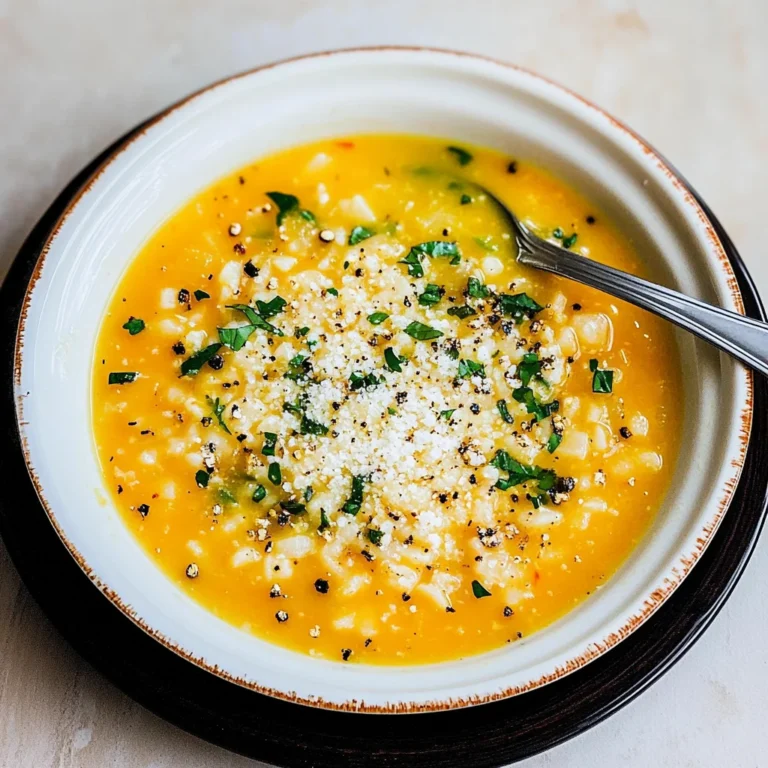
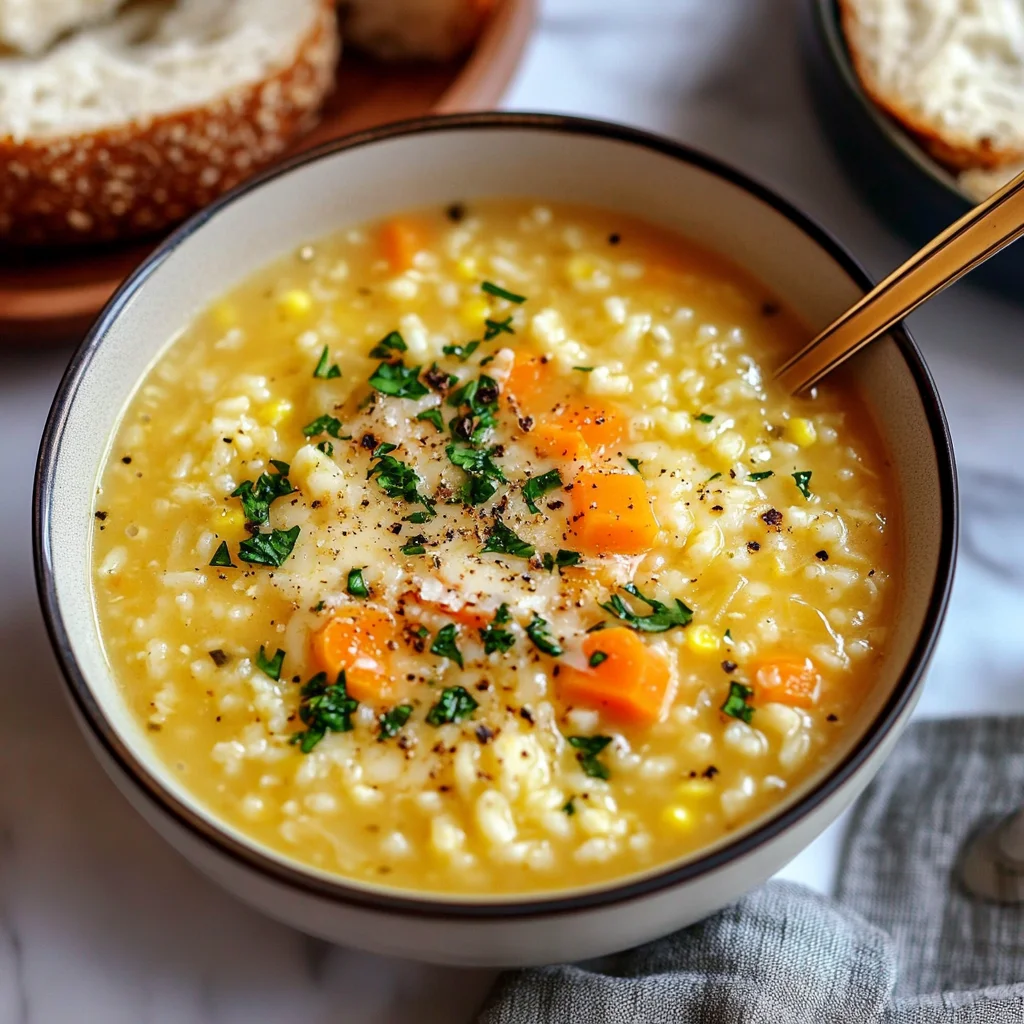
Ladle the hot soup into bowls. Top each serving with a sprinkle of freshly grated parmesan, a little chopped parsley for color, a final crack of black pepper, and an optional drizzle of good olive oil. Serve immediately while the pasta is perfectly tender and the broth is steaming hot.

Best Italian Penicillin Soup step by step

Nutritional Information

Calories ~280
Protein 12g
Carbohydrates 38g
Fat 9g
Fiber 4g
Sodium ~850mg

This comforting soup is a good source of protein and Vitamin A from the carrots. For a lower-sodium version, use low-sodium broth and reduce added salt. Estimates are based on typical ingredients and a 1.5-cup serving; values may vary.

Healthier Alternatives

  • Whole Wheat or Legume Pasta — Boosts fiber and protein for a more filling, nutrient-dense bowl.
  • Spiralized Zucchini or Cauliflower Rice — A low-carb swap that cooks quickly in the hot broth.
  • Nutritional Yeast instead of Parmesan Rind — Adds a cheesy, umami flavor for a dairy-free or vegan option.
  • Gluten-Free Pasta (like brown rice) — Ensures the recipe is celiac-friendly; cook separately to prevent mushiness.
  • Extra Lean Chicken or White Beans — Increases protein content without adding much fat.
  • Low-Sodium Broth & Fresh Herbs — Cuts sodium by up to 40% while fresh thyme or rosemary enhances flavor.

Serving Suggestions

  • Pair with a simple arugula salad dressed with lemon vinaigrette for a complete, light meal.
  • Serve with crusty, whole-grain bread for dipping into the restorative broth.
  • Perfect for a cozy weeknight dinner or as a starter for a larger Italian-inspired feast.
  • Garnish with a lemon wedge on the side so everyone can adjust the bright acidity to their taste.
  • For a heartier meal, top with a poached egg or shredded rotisserie chicken added in the last 5 minutes.
  • A crisp, dry white wine like Pinot Grigio or a sparkling water with lemon complements the soup’s flavors beautifully.

This recipe is incredibly versatile. In colder months, I love making a double batch for easy lunches, and in summer, I serve it slightly cooler with extra fresh herbs.

Common Mistakes to Avoid

  • Mistake: Boiling the broth rapidly after adding the parmesan rind. Fix: In Step 3, maintain a gentle simmer to keep the broth clear and prevent the rind from making it gritty.
  • Mistake: Overcooking the pasta in the soup. Fix: Cook pasta just to al dente, as it will continue to soften in the hot broth, leading to a mushy texture.
  • Mistake: Adding lemon juice while the soup is at a full boil. Fix: Always add citrus off the heat (as in Step 5) to preserve its bright, fresh flavor and vitamin C content.
  • Mistake: Using pre-grated parmesan instead of a rind or fresh block. Fix: The rind melts into the broth, creating a silky texture and deep flavor that powdered cheese cannot match.
  • Mistake: Sautéing vegetables in a pot that’s too crowded. Fix: Use a large Dutch oven so steam can escape, allowing the aromatics to soften properly without steaming.
  • Mistake: Skipping the final garnish of fresh parsley and pepper. Fix: These finishing touches add crucial layers of aroma and complexity that elevate this healthy Italian Penicillin Soup.

Storing Tips

  • Fridge: Cool completely and store in an airtight container for up to 5 days. The pasta will absorb broth, so have extra broth on hand when reheating.
  • Freezer: Freeze without pasta for best results. Portion the broth and vegetables into freezer-safe bags, lay flat, and freeze for up to 3 months. Thaw overnight before reheating and adding freshly cooked pasta.
  • Reheat: Warm gently on the stovetop over medium-low heat until it reaches 165°F, stirring occasionally. If the soup thickens, add a splash of broth or water.

For meal prep, I often make the full vegetable and broth base on Sunday. Then, I cook a fresh batch of pasta each day I plan to eat it, combining them just before serving. This keeps the texture perfect and makes storing your Best Italian Penicillin Soup simple.

Conclusion

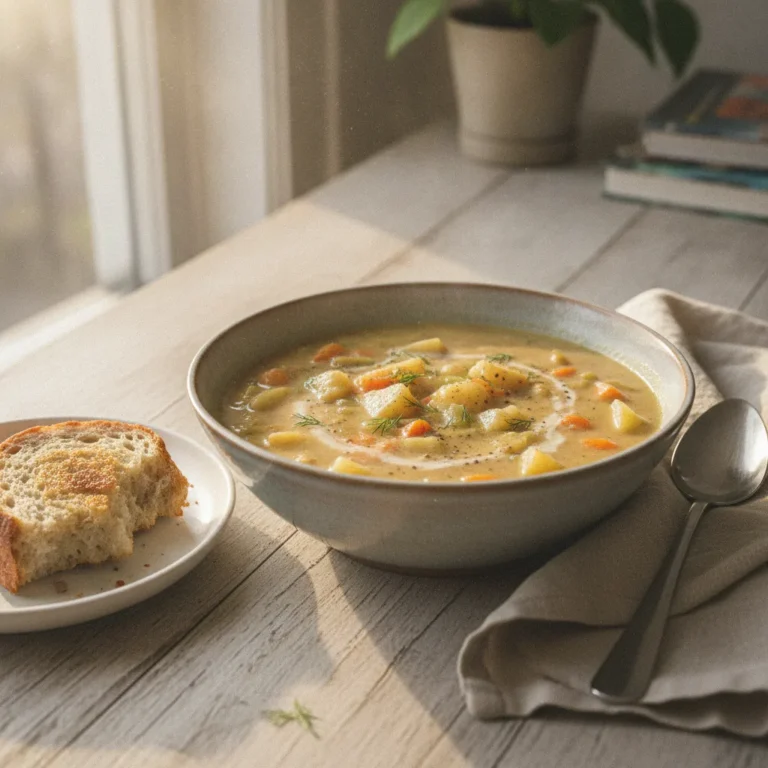
This Best Italian Penicillin Soup is the ultimate one-pot comfort food that’s as nourishing as it is delicious. Its bright, restorative broth is a proven family favorite for good reason. For another simple, veggie-packed meal, try this Carrot Potato Soup Recipe. I hope this recipe becomes a staple in your kitchen—give it a try and share your thoughts in the comments!

Frequently Asked Questions

How many servings does this Italian Penicillin Soup recipe make?

This recipe yields about 6 generous servings, roughly 1.5 cups each. It’s perfect for a family dinner with leftovers for lunch. If you need to serve more people, you can easily double the ingredients in a large stockpot.

What can I use if I don’t have a parmesan rind?

A great substitute is a 2-inch piece of pecorino romano rind, which adds a similar salty, umami depth. Alternatively, stir in 2 tablespoons of nutritional yeast or a tablespoon of white miso paste at the end of cooking for a dairy-free, savory boost. I’ve tested both, and while the rind is ideal, these alternatives work very well.

Why did my soup turn out bland?

This usually happens because the broth was underseasoned or the lemon was added incorrectly. Always taste and adjust the salt level at the end, and ensure you add the fresh lemon juice and zest off the heat to preserve their bright, acidic punch. Using a high-quality, full-flavored broth is the most important factor for a rich-tasting soup.

Print

Best Italian Penicillin Soup – Alrightwithme

  • Author: Dorothy Miler

Ingredients

Scale
  • 3 tbsp olive oil (I use extra virgin)
  • 1 yellow onion (finely diced)
  • 8 cups chicken or vegetable broth
  • 1 tsp salt
  • 1 1/4 cups small pasta (ditalini or stelline)
  • 3 large carrots (finely chopped)
  • 1 lemon (for juice and zest)
  • 3 ribs celery (finely chopped)
  • black pepper
  • 1 parmesan rind (optional but recommended)
  • 5 garlic cloves (minced)
  • chopped parsley (optional but adds freshness)
  • freshly grated parmesan
  • drizzle of olive oil (optional)
  • black pepper

Instructions

    Did you make this recipe?

    Share a photo and tag us — we can't wait to see what you've made!

    Related articles

    Dorothy Miler

    Pro Chef & Blogger
    Welcome to Receipster! 
    I’m thrilled to share my
    culinary journey with you.

    Dorothy Miler

    Themes by WordPress