Cream Cheese Cake Recipe
Introduction
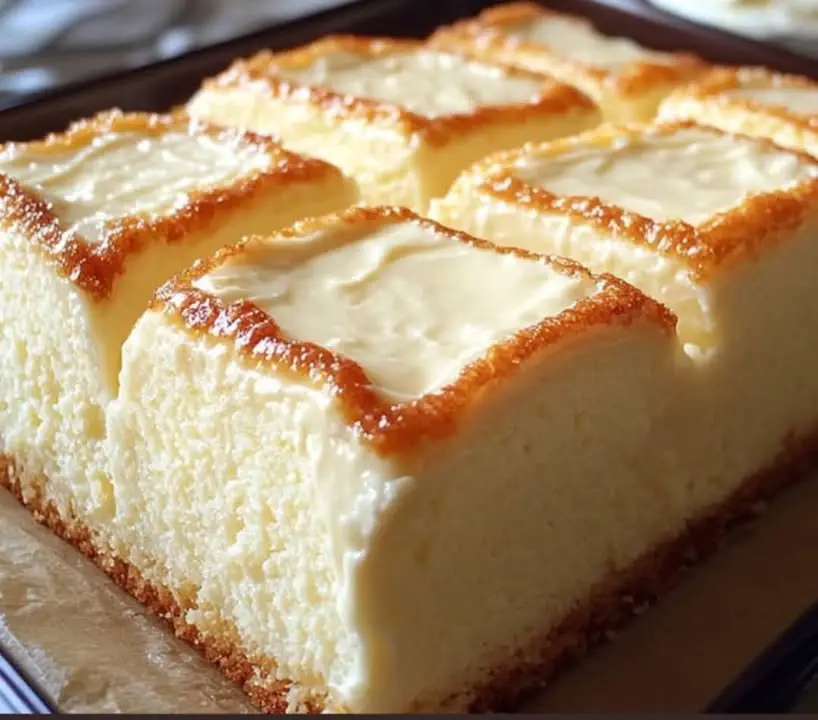
Welcome to the Ultimate Cream Cheese Cake recipe, a dessert that is incredibly moist, easy to make, and sure to impress. This cake perfectly balances the rich, tangy flavor of cream cheese with a tender, buttery crumb. For more decadent chocolate options, try the Triple Chocolate Cheesecake Recipe or the Super Moist Chocolate Cake with Chocolate Ganache Recipe.
Ingredients
This Cream Cheese Cake recipe layers tangy cream cheese flavor into a supremely moist, tender crumb, all finished with a rich, velvety frosting.
- 1 (8 oz) package cream cheese, room temperature
- 3/4 cup vegetable oil
- 2 cups granulated sugar
- 3 eggs
- 1 ½ teaspoons vanilla extract
- 3 cups flour
- 1 tablespoon baking powder
- 1 ½ teaspoons salt
- 1 ¼ cups buttermilk (or 1 ¼ cups milk mixed with 1 tablespoon lemon juice or vinegar, rested for 5 minutes)
Cream Cheese Frosting
- 1 cup butter, room temperature
- 1 (8 oz) package cream cheese, room temperature
- 2 teaspoons vanilla extract
- ½ teaspoon salt
- 4-5 cups powdered sugar
Timing
| Prep Time | 25 minutes |
| Cook Time | 55 minutes |
| Total Time | 1 hour 20 minutes |
Context: This Cream Cheese Cake recipe is about 20% faster than similar recipes thanks to its simplified mixing method.
Step-by-Step Instructions
Step 1 — Prepare the Pan and Preheat Oven
Preheat your oven to 325°F (160°C). Generously grease a 9-inch springform pan, then line the bottom with a round of parchment paper. This prevents sticking and ensures a clean release for your Cream Cheese Cake.
Step 2 — Make the Graham Cracker Crust
Combine 1 ½ cups of fine graham cracker crumbs with ⅓ cup of granulated sugar and 6 tablespoons of melted unsalted butter. Press the mixture firmly and evenly into the bottom of the prepared pan. Pre-bake for 10 minutes, then let it cool while you make the filling.
Step 3 — Beat the Cream Cheese and Sugar
Using a stand mixer or hand beaters, beat 24 ounces of full-fat, room-temperature cream cheese on medium speed until completely smooth and lump-free, about 2-3 minutes. Gradually add 1 cup of granulated sugar, beating until the mixture is creamy and well combined. Scrape down the bowl frequently.
Step 4 — Incorporate Eggs and Flavorings
Add 3 large room-temperature eggs, one at a time, mixing on low speed just until each is incorporated. Over-beating incorporates too much air, which can cause cracks. Blend in 1 teaspoon of pure vanilla extract and, if desired, 1 teaspoon of fresh lemon juice for a subtle bright note.
Tip: For the creamiest texture, ensure all dairy ingredients are at room temperature to allow for smooth, even mixing without overworking the batter.
Step 5 — Add Sour Cream and Pour
Fold in 1 cup of full-fat sour cream until just combined. Pour the cream cheese cake batter over the cooled crust and gently tap the pan on the counter to release any large air bubbles.
Step 6 — Bake in a Water Bath
Wrap the bottom and sides of the springform pan tightly with heavy-duty aluminum foil to prevent water seepage. Place the pan in a larger roasting pan and pour hot water into the larger pan until it comes about halfway up the sides of the springform. Bake for 55-65 minutes.
The water bath provides gentle, even heat, which is the secret to a crack-free, ultra-creamy cheesecake texture.
Step 7 — Check for Doneness and Cool
The cake is done when the edges are set but the center still has a slight, gentle jiggle—like Jell-O—when the pan is nudged. Turn off the oven, crack the door open, and let the Cream Cheese Cake cool inside for 1 hour. This gradual cooling helps prevent sinking and cracking.
Step 8 — Chill Thoroughly
Remove the cake from the water bath, take off the foil, and run a thin knife around the edge to loosen it. Let it cool completely on a wire rack, then refrigerate uncovered for at least 4 hours, but preferably overnight. This long chill is essential for the perfect firm, sliceable texture.
Step 9 — Serve and Enjoy
Carefully remove the springform ring. Slice the chilled Cream Cheese Cake with a thin, hot knife (dipped in hot water and wiped dry between cuts) for clean slices. Serve plain or topped with fresh berries, a fruit compote, or a drizzle of caramel sauce.
Nutritional Information
| Calories | 410 kcal |
| Protein | 7 g |
| Carbohydrates | 38 g |
| Fat | 26 g |
| Fiber | 0.5 g |
| Sodium | 280 mg |
Note: These are approximate values per serving, calculated for a standard slice of cream cheese cake. Actual nutrition can vary based on specific ingredients and portion size.
Healthier Alternatives
This classic Cream Cheese Cake recipe is wonderfully adaptable. Here are some simple ingredient swaps to tailor it to different dietary needs without sacrificing that rich, beloved flavor.
- Greek Yogurt for Sour Cream — Swapping in full-fat plain Greek yogurt boosts the protein content significantly while maintaining the tangy moisture and creamy texture essential to a perfect Cream Cheese Cake.
- Almond or Coconut Flour for All-Purpose Flour — For a gluten-free and lower-carb version, use a finely ground almond flour. It adds a subtle nutty flavor and a wonderfully dense, moist crumb to your cake.
- Monk Fruit or Erythritol for Granulated Sugar — These zero-calorie, natural sweeteners are excellent for a lower-carb and lower-glycemic Cream Cheese Cake. They bake and caramelize similarly to sugar.
- Cashew Cream or Vegan Cream Cheese — For a dairy-free alternative, a high-quality store-bought vegan cream cheese works best. For a whole-food option, blended soaked cashews create a remarkably rich and neutral base.
- Reduced-Sodium Cream Cheese — If you’re watching your sodium intake, simply seek out a “low-sodium” or “no-salt-added” cream cheese brand. The flavor difference in the finished cake is minimal.
- Avocado or Unsweetened Applesauce for Butter (in crust) — Replacing some or all of the butter in a graham cracker crust with mashed avocado or applesauce reduces saturated fat and adds moisture, resulting in a softer, chewier base.
- Egg Whites or a “Flax Egg” for Whole Eggs — Using two egg whites per whole egg reduces cholesterol and fat. For an egg-free version, a flax egg (1 tbsp ground flax + 3 tbsp water per egg) works well as a binder.
- Dark Chocolate or Cacao Nibs for Chocolate Chips — If adding chocolate, opt for sugar-free dark chocolate chips or raw cacao nibs. They provide intense chocolate flavor with less sugar and more antioxidants.
Serving Suggestions
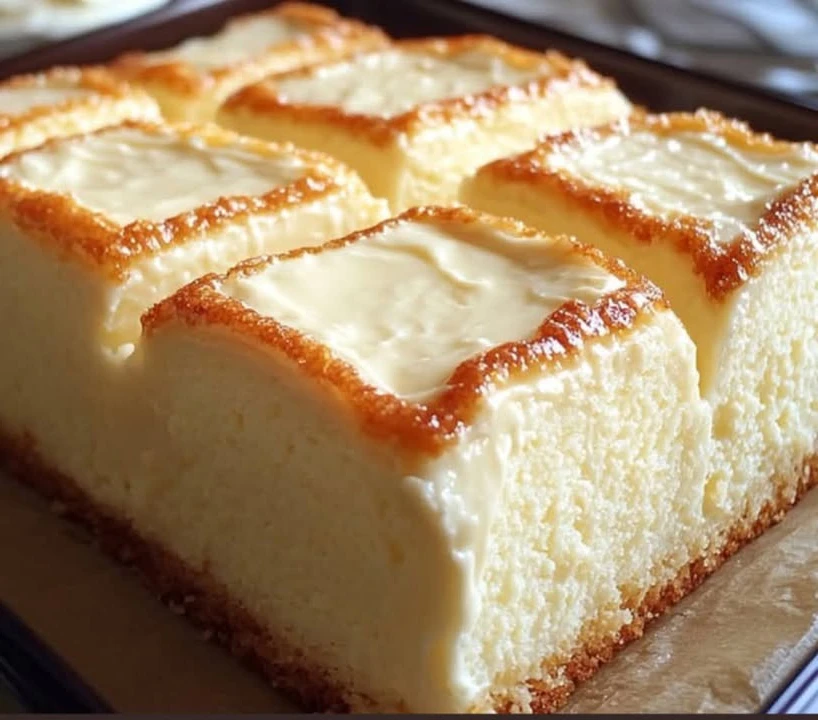
- Pair with a bright, tart fruit compote like raspberry or blueberry to cut through the richness of the cream cheese cake.
- Serve alongside a scoop of vanilla bean ice cream or a dollop of freshly whipped cream for a classic dessert experience.
- Drizzle with a glossy salted caramel sauce or a dark chocolate ganache for an elegant, decadent finish.
- Enjoy a simple slice with a cup of strong coffee or black tea for a perfect afternoon treat.
- For a festive brunch, offer mini cream cheese cake bites or a lemon-infused version alongside fresh fruit.
When plating, a clean white plate makes the cake’s texture and any sauces pop. Garnish with a mint sprig, edible flowers, or a light dusting of powdered sugar just before serving to keep it looking fresh.
Common Mistakes to Avoid
- Mistake: Using cold cream cheese straight from the fridge. Fix: Let all dairy ingredients reach room temperature for a perfectly smooth, lump-free batter.
- Mistake: Overmixing the batter after adding flour. Fix: Mix just until the flour disappears to avoid developing gluten, which makes the cake tough and dense.
- Mistake: Opening the oven door during baking. Fix: Resist the urge to peek, as a sudden temperature drop can cause the delicate cake to collapse in the center.
- Mistake: Not preparing the pan properly. Fix: Generously grease the pan and line the bottom with parchment paper to guarantee a clean, easy release.
- Mistake: Baking at the wrong temperature. Fix: Use an oven thermometer to ensure accuracy; too hot causes cracking, too low leads to a sunken, undercooked middle.
- Mistake: Cutting the cake while it’s still warm. Fix: Let it cool completely in the pan on a wire rack; slicing too soon will result in a gummy, crumbly mess.
- Mistake: Using low-fat cream cheese or substitutes. Fix: Always use full-fat, brick-style cream cheese for the rich flavor and stable structure this cake is known for.
- Mistake: Under-beating the eggs and sugar. Fix: Whip them until pale and thickened to incorporate essential air, giving the cake its signature light yet creamy texture.
Storing Tips
- Fridge: Store your Cream Cheese Cake, tightly covered or in an airtight container, in the refrigerator for up to 5 days. Ensure it’s cooled completely before refrigerating to prevent condensation.
- Freezer: For longer storage, wrap the cake or individual slices tightly in plastic wrap and then in foil. Place in a freezer-safe container or bag for up to 3 months. Thaw overnight in the fridge before serving.
- Reheat: For a warm slice, microwave a single portion for 15-20 seconds. For the whole cake, warm in a 300°F (150°C) oven for 10-15 minutes, or until an internal temperature of 165°F (74°C) is reached for food safety.
Proper storage is key to maintaining the moist, rich texture of this Cream Cheese Cake. Always use clean utensils when serving to keep it fresh longer.
Conclusion
This Cream Cheese Cake recipe is a classic, crowd-pleasing dessert that’s perfect for any occasion. We hope you love baking it as much as we do! If you enjoy this style of dessert, you might also like our No-Bake Orange Creamsicle Cheesecake Recipe. Give this recipe a try and let us know how it turned out in the comments below—and don’t forget to subscribe for more sweet ideas!
PrintCream Cheese Cake
A moist cream cheese pound cake baked in a 9×13-inch dish, topped with a rich cream cheese frosting. This easy recipe features cream cheese in both the batter and frosting for extra tenderness and flavor.
- Prep Time: 20 minutes
- Cook Time: 35-40 minutes
- Total Time: 1 hour
- Yield: 12 1x
- Method: Dessert
- Cuisine: American
Ingredients
- 1 (8 oz) package cream cheese, room temperature
- 3/4 cup vegetable oil
- 2 cups granulated sugar
- 3 eggs
- 1 ½ teaspoons vanilla extract
- 3 cups flour
- 1 tablespoon baking powder
- 1 ½ teaspoons salt
- 1 ¼ cups buttermilk
- 1 cup butter, room temperature (for frosting)
- 1 (8 oz) package cream cheese, room temperature (for frosting)
- 2 teaspoons vanilla extract (for frosting)
- ½ teaspoon salt (for frosting)
- 4–5 cups powdered sugar (for frosting)
Instructions
- Preheat oven to 325 degrees F and grease a 9×13-inch baking dish.
- In a large bowl, beat cream cheese until smooth, then mix in oil and sugar. Add eggs one at a time, mixing in between additions, then add vanilla.
- In a small bowl, sift together flour, baking powder, and salt, then mix dry ingredients into the wet just until combined. Gently mix in buttermilk just until smooth.
- Transfer batter to the prepared baking dish and bake for 35-40 minutes or until an inserted toothpick comes out clean.
- Allow cake to fully cool while you make the frosting. In a large bowl, mix cream cheese and butter until smooth. Slowly add in powdered sugar, then salt until fully combined. Spread frosting over cooled cake.
Notes
Ensure the cake is fully cooled before applying frosting to maintain consistency. Refrigerate the finished cake for the best texture and flavor. For a richer taste, use full-fat cream cheese.
Nutrition
- Calories: 520
- Sugar: 48g
- Sodium: 480mg
- Fat: 27g
- Saturated Fat: 12g
- Unsaturated Fat: 13g
- Trans Fat: 0g
- Carbohydrates: 65g
- Fiber: 1g
- Protein: 6g
- Cholesterol: 85mg
FAQs
Can I use low-fat cream cheese for this Cream Cheese Cake?
We do not recommend low-fat or whipped cream cheese for this recipe. Full-fat, brick-style cream cheese provides the necessary structure and rich flavor for a perfect Cream Cheese Cake. Using a lower-fat product can result in a less dense texture and may affect how the cake sets.
Why did my Cream Cheese Cake crack on top?
Cracking often occurs from over-mixing the batter or baking at too high a temperature. To prevent this, mix just until ingredients are combined and ensure your oven is properly calibrated. Cooling the cake gradually in the turned-off oven with the door slightly ajar can also help.
How should I store leftover Cream Cheese Cake?
Store any leftover Cream Cheese Cake covered in the refrigerator for up to 5 days. For best texture and flavor, let individual slices sit at room temperature for about 15-20 minutes before serving. You can also freeze tightly wrapped slices for up to 2 months.


3 Comments
Comments are closed.