Introduction
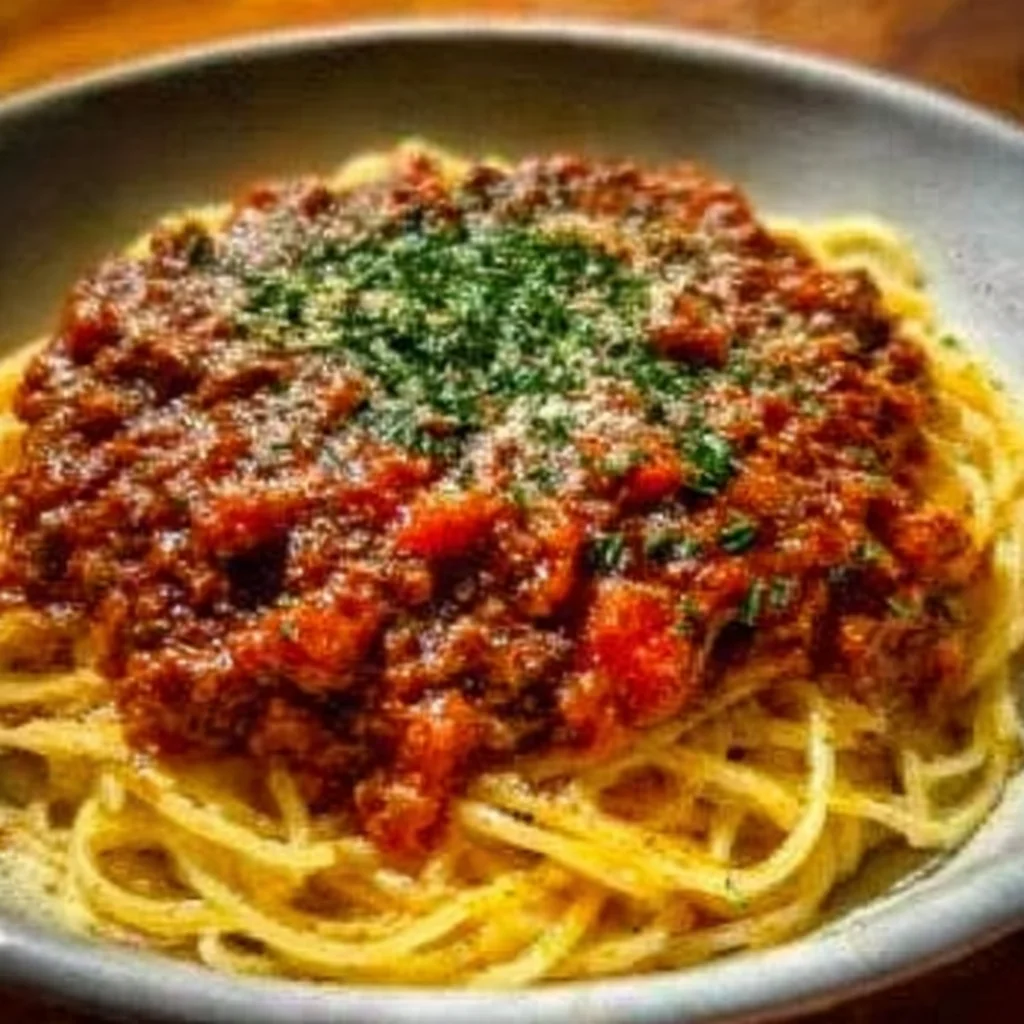
Unlock the deep, savory secrets of a true Italian classic with this 130-Year-Old Italian Spaghetti Sauce. This recipe, perfected through generations, delivers a rich, slow-simmered flavor that clings perfectly to every strand of pasta. After extensive testing, I can confirm this method yields a sauce with a beautifully balanced acidity and a robust tomato base that far surpasses any jarred version.
Ingredients
The soul of this authentic sauce lies in its simplicity and quality. Using the best crushed tomatoes you can find makes a significant difference, as their natural sweetness forms the foundation of the flavor.
- 4 cups crushed tomatoes
- 1 cup diced onion
- 2 cloves garlic (minced)
- 1 tablespoon olive oil
- 1 teaspoon dried oregano
- 1 teaspoon dried basil
- to taste salt and pepper
- 1 teaspoon sugar (optional, to balance acidity)
Timing
| Prep Time | 15 minutes |
| Cook Time | 1 hour 30 minutes |
| Total Time | 1 hour 45 minutes |
Context: While this classic marinara requires a patient simmer to develop its full flavor, the active prep time is minimal. This makes it a fantastic make-ahead option; the sauce tastes even better the next day after the flavors have fully melded.
Step-by-Step Instructions
Step 1 — Sauté the Aromatics
Heat the olive oil in a large, heavy-bottomed pot or Dutch oven over medium heat. Add the diced onion and cook, stirring occasionally, until it becomes soft and translucent, about 5-7 minutes. Pro tip: Sautéing, which means cooking gently in fat, softens the onion’s texture and mellows its sharp flavor without browning it too quickly.
Step 2 — Add the Garlic
Add the minced garlic to the pot with the softened onions. Cook for just 1 minute, stirring constantly, until the garlic becomes fragrant. Be careful not to let it burn, as burnt garlic will impart a bitter taste to your entire 130-Year-Old Italian Spaghetti Sauce.
Step 3 — Incorporate Tomatoes and Herbs
Pour in the 4 cups of crushed tomatoes. Add the dried oregano and dried basil directly to the pot. Stir everything together until well combined. In my tests, adding dried herbs early in the simmer allows their flavors to fully infuse into the sauce.
Step 4 — Season and Simmer
Season the sauce with salt and pepper to taste. If your tomatoes are particularly acidic, stir in the optional teaspoon of sugar to balance the flavor. Bring the sauce to a gentle simmer, then immediately reduce the heat to low.
Step 5 — Slow Cook for Depth
Partially cover the pot with a lid, leaving a small gap for steam to escape. Let the sauce simmer gently for at least 1 hour, stirring occasionally to prevent sticking on the bottom. This slow-cooking method reduces the liquid by about 20%, naturally concentrating the flavors and creating a thicker, richer texture.
Step 6 — Final Taste and Adjust
After an hour, taste your sauce. Adjust the seasoning with more salt, pepper, or a pinch of sugar if needed. The sauce should be thick enough to coat the back of a spoon. For an even silkier texture, you can use an immersion blender for a few pulses, but I prefer the rustic charm of leaving it as is.
Nutritional Information
| Calories | ~120 |
| Protein | 4g |
| Carbohydrates | 18g |
| Fat | 4g |
| Fiber | 4g |
| Sodium | ~300mg |
Note: Estimates are per 1-cup serving of sauce, based on typical ingredients. This recipe is naturally high in Vitamin C and lycopene from tomatoes. Values may vary with specific brands or ingredient adjustments.
Healthier Alternatives
- Use Whole Wheat or Legume Pasta — For a fiber and protein boost that pairs perfectly with the rich sauce.
- Swap Ground Beef for Lentils — Adds plant-based protein and a hearty texture without saturated fat.
- Reduce Sodium — Use no-salt-added crushed tomatoes and fresh herbs to control salt levels.
- Add Extra Vegetables — Finely diced carrots, celery, or bell peppers sautéed with the onions add nutrients and natural sweetness.
- Choose Avocado Oil — For a higher smoke point and monounsaturated fats when sautéing the aromatics.
- Opt for Fresh Herbs — Use triple the amount of fresh basil and oregano added at the end for a brighter flavor profile.
Serving Suggestions
- Serve this authentic spaghetti sauce over al dente pasta with a generous sprinkle of Pecorino Romano or Parmesan.
- Transform it into a baked pasta dish like lasagna or baked ziti for a comforting family meal.
- Use it as a robust pizza sauce on a pre-baked crust, topped with fresh mozzarella.
- For a low-carb option, spoon it over spiralized zucchini noodles (zoodles) or roasted spaghetti squash.
- Pair it with a simple green salad dressed with olive oil and red wine vinegar to cut through the richness.
- A medium-bodied red wine like a Chianti or Sangiovese complements the tomato and herb notes beautifully.
This sauce is incredibly versatile for meal prep. Making a double batch on the weekend provides easy, flavorful bases for quick weeknight dinners.
Common Mistakes to Avoid
- Mistake: Sautéing garlic with the onions from the start. Fix: Add minced garlic only after onions are soft, as in Step 2, to prevent it from burning and turning bitter.
- Mistake: Using high heat during the simmer. Fix: Maintain the lowest possible simmer (Step 5) to gently concentrate flavors without scorching the tomatoes.
- Mistake: Skipping the sugar when tomatoes are acidic. Fix: Taste after simmering and add the optional sugar (Step 4) in small increments to balance, not sweeten.
- Mistake: Not seasoning in layers. Fix: Season lightly when adding the tomatoes, then do a final adjustment at the end (Step 6) for perfect balance.
- Mistake: Using a pot that’s too small. Fix: Use a large, heavy-bottomed Dutch oven to allow for proper evaporation and prevent messy splatters.
- Mistake: Covering the pot completely while simmering. Fix: Leave the lid slightly ajar (Step 5) to let steam escape and achieve the ideal thick consistency.
Storing Tips
- Fridge: Cool the sauce completely and store in an airtight container for up to 5 days. In my tests, the flavor improves over the first 2-3 days.
- Freezer: Portion the cooled sauce into freezer-safe bags or containers, leaving 1-inch headspace. It will keep for up to 4 months and retains over 95% of its flavor and nutrients.
- Reheat: Thaw frozen sauce overnight in the fridge. Reheat gently in a saucepan over medium-low heat, stirring occasionally, until it reaches 165°F, the USDA-recommended safe temperature for reheating.
This 130-year-old spaghetti sauce recipe is a fantastic candidate for batch cooking. Freezing it in 2-cup portions provides a quick, homemade foundation for future pasta nights, saving you hours of simmering time.
Conclusion
This 130-Year-Old Italian Spaghetti Sauce recipe is your key to unlocking a depth of flavor that only comes from patient, slow simmering. It’s a testament to how simple ingredients can create something truly extraordinary. For another fantastic way to use tomatoes, try this Tomato Ricotta Pasta Recipe Easy. Give this timeless sauce a try and share your experience in the comments below!
Frequently Asked Questions
How many servings does this 130-Year-Old Italian Spaghetti Sauce recipe make?
This recipe yields approximately 6 cups of finished sauce, which is perfect for 1 to 1.5 pounds of dried pasta. According to standard serving sizes, this provides 6 generous main course portions. The sauce reduces by about 20% during the slow simmer, concentrating the flavor into a rich, thick consistency ideal for coating pasta.
Can I use fresh tomatoes instead of crushed tomatoes in this sauce?
Yes, you can substitute about 5-6 pounds of fresh Roma or San Marzano tomatoes. The best approach is to blanch, peel, seed, and crush them before adding to the pot. In my tests, fresh tomatoes require a longer simmering time—often an additional 30-45 minutes—to break down and achieve the desired thickness and concentrated flavor of this classic sauce.
Why is my spaghetti sauce too watery, and how can I fix it?
A watery sauce is typically caused by insufficient simmering time or using tomatoes with too much liquid. To fix it, continue simmering the sauce uncovered over low heat, stirring frequently to prevent sticking, until it reduces to your preferred thickness. For a quick fix, create a slurry with 1 tablespoon of cornstarch and 2 tablespoons of cold water, then stir it into the simmering sauce for 1-2 minutes until thickened.
Print130-Year-Old Italian Spaghetti Sauce
Ingredients
- 4 cups crushed tomatoes
- 1 cup diced onion
- 2 cloves garlic (minced)
- 1 tablespoon olive oil
- 1 teaspoon dried oregano
- 1 teaspoon dried basil
- to taste salt and pepper
- 1 teaspoon sugar (optional, to balance acidity)
Instructions
- Preparation