Cranberry Pudding Cake with Warm Butter Sauce Recipe
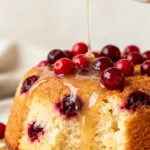
Ingredients
- All-Purpose Flour: 2 cups (250g). Standard all-purpose flour provides the structure for the cake. It has a moderate protein content that is perfect for creating a tender crumb that’s still sturdy enough to hold the cranberries and absorb the sauce without falling apart. Be sure to measure it correctly by spooning it into your measuring cup and leveling it off, rather than scooping directly from the bag, which can compact the flour and lead to a dry cake.
- Granulated Sugar: 1 cup (200g). Sugar does more than just sweeten the cake. It helps to create a tender texture by interfering with gluten development and aids in browning for that beautiful golden crust. It’s also crucial for the creaming process with the butter, which incorporates air into the batter for a lighter final product.
- Unsalted Butter: ½ cup (113g), softened to room temperature. Using room temperature butter is non-negotiable for this recipe. Softened butter is able to trap air when creamed with sugar, which is the primary source of leavening and tenderness in this cake. Unsalted butter allows you to control the total salt content of the recipe, which is always preferred in baking.
- Eggs: 2 large, at room temperature. Like the butter, room temperature eggs will incorporate much more easily and smoothly into the batter. This prevents the batter from curdling and helps create a more stable emulsion, leading to a uniform, fine crumb. Eggs add richness, moisture, color, and structure.
- Buttermilk: 1 cup (240ml), at room temperature. Buttermilk is the secret weapon for an incredibly moist and tender cake. Its acidity reacts with the baking soda for extra lift, and it also breaks down some of the gluten in the flour, resulting in a softer texture. If you don’t have buttermilk, you can make a substitute by adding 1 tablespoon of lemon juice or white vinegar to 1 cup of regular milk and letting it sit for 5-10 minutes.
- Fresh or Frozen Cranberries: 2 cups (200g), whole. The star of the show! The tartness of the cranberries is essential to cut through the richness of the cake and sauce. You can use either fresh or frozen; there’s no need to thaw frozen cranberries before using them. Simply toss them with a tablespoon of the measured flour before folding them into the batter—this little trick helps prevent them from sinking to the bottom of the cake during baking.
- Vanilla Extract: 2 teaspoons. Use pure vanilla extract for the best flavor. It enhances all the other flavors in the cake, adding a layer of aromatic warmth that complements both the cranberries and the butter.
- Baking Powder: 2 teaspoons. This is a primary leavening agent, which helps the cake rise and become light.
- Baking Soda: 1 teaspoon. Activated by the acidic buttermilk, baking soda provides an additional boost of leavening power, ensuring the cake isn’t too dense, which can sometimes happen in pudding-style cakes.
- Salt: ½ teaspoon. Salt is a flavor enhancer. It balances the sweetness of the sugar and brings out the nuances of the butter, vanilla, and cranberries.
- Unsalted Butter: ½ cup (113g). This is the base of the sauce, providing richness and a silky mouthfeel.
- Granulated Sugar: 1 cup (200g). Provides the sweetness and helps create the syrupy consistency.
- Heavy Cream or Half-and-Half: ½ cup (120ml). This adds creaminess and body to the sauce. Heavy cream will result in a richer, thicker sauce, while half-and-half will be slightly lighter.
- Vanilla Extract: 1 teaspoon. Adds that essential warm, aromatic flavor that ties the sauce to the cake.
- A Pinch of Salt: Just a tiny pinch to balance the intense sweetness.
Instructions
- Preheat your oven to 350°F (175°C). Generously grease and flour a 9×13-inch baking pan, a 10-inch tube pan, or a 12-cup Bundt pan. Proper preparation is key to ensuring your cake releases cleanly. Use softened butter or baking spray, getting into every nook and cranny, then dust with a light coating of flour, tapping out any excess.
- In a medium-sized bowl, whisk together the 2 cups of all-purpose flour, 2 teaspoons of baking powder, 1 teaspoon of baking soda, and ½ teaspoon of salt. Whisking not only combines the ingredients but also aerates them, which contributes to a lighter cake. Set this bowl aside.
- In the bowl of a stand mixer fitted with the paddle attachment, or in a large bowl with a hand mixer, beat the ½ cup of softened unsalted butter and 1 cup of granulated sugar on medium-high speed. Continue beating for a full 3-5 minutes, until the mixture is very light, pale, and fluffy. This step is critical; it’s where you incorporate the air that will make your cake tender.
- Add the 2 room-temperature eggs, one at a time, beating well after each addition and scraping down the sides of the bowl as needed. Once the eggs are fully incorporated, beat in the 2 teaspoons of vanilla extract. The mixture should be smooth and emulsified.
- Reduce the mixer speed to low. Add the dry ingredients in three additions, alternating with the buttermilk in two additions. Begin and end with the dry ingredients (Dry, Wet, Dry, Wet, Dry). This method prevents the batter from being overworked, which would develop the gluten and make the cake tough. Mix only until each addition is just combined. A few streaks of flour are okay at the end.
- If using frozen cranberries, do not thaw them. In a small bowl, toss the 2 cups of cranberries with 1 tablespoon of flour from your measured dry ingredients (a step you can do at the beginning). This flour coating helps suspend them in the batter. Gently fold the flour-dusted cranberries into the batter using a rubber spatula. Be careful not to overmix or break the berries.
- Pour the finished batter into your prepared pan and spread it into an even layer with your spatula. Bake for 40-50 minutes. The baking time will vary depending on your oven and the type of pan you use (a Bundt pan may take longer). The cake is done when it is a deep golden brown, springs back when lightly touched in the center, and a wooden skewer or toothpick inserted into the thickest part comes out clean or with a few moist crumbs attached.
- Let the cake cool in the pan on a wire rack for about 10-15 minutes before serving or inverting (if using a Bundt or tube pan). This cake is best served warm.
- In a small or medium saucepan, combine the ½ cup of unsalted butter, 1 cup of granulated sugar, and ½ cup of heavy cream or half-and-half.
- Place the saucepan over medium heat. Stir constantly with a whisk as the butter melts and the sugar dissolves. Bring the mixture to a gentle simmer, but do not let it come to a rolling boil. Continue to stir for 2-3 minutes as it simmers, allowing the sauce to thicken slightly.
- Remove the saucepan from the heat. Stir in the 1 teaspoon of vanilla extract and the pinch of salt. The salt will balance the sweetness and deepen the flavor. The sauce will be thin while hot but will thicken slightly as it cools.
Find it online: https://www.receipster.com/cranberry-pudding-cake-butter-sauce/